






Transport & Logistics
Insurance solutions for freight operators, logistics providers and businesses moving goods across local, regional and interstate routes.
Transport & Logistics InsuranceAll Trucks Insurance is a specialist commercial truck insurance broker for transport and heavy vehicle businesses, from owner-drivers and growing operators through to major fleets.
We are a broker, not an insurer and not a comparison site. We review the whole programme with you, commercial truck insurance, motor and fleet, cargo, liability, plant and equipment, then arrange cover around how the operation actually runs.
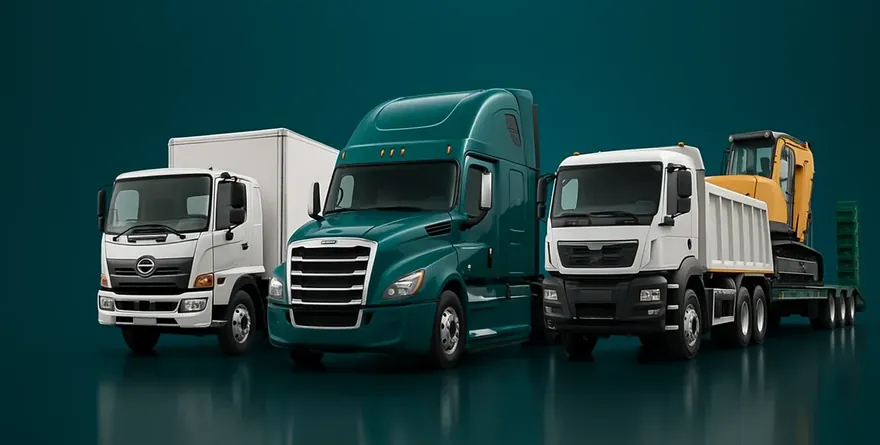
Truck, trailer, cargo and liability cover are usually separate policies that have to work together. As a specialist broker we arrange them as one package, for transport operators, fleet owners and businesses running heavy equipment across Australia.

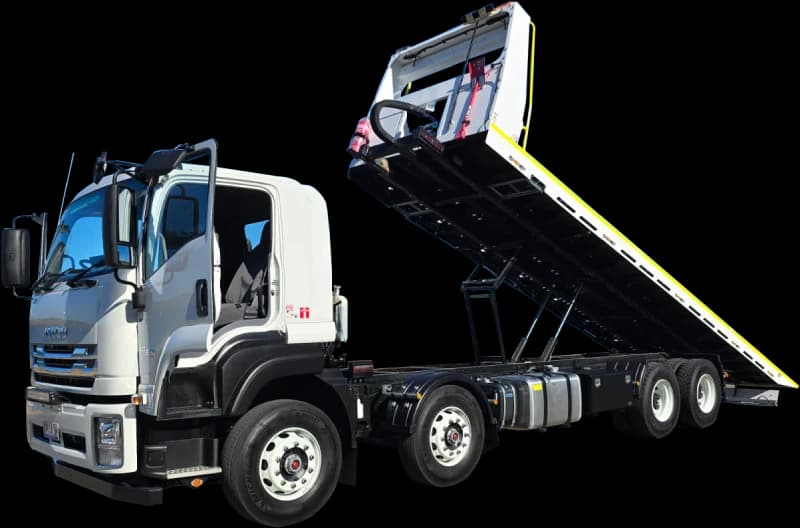
Cover for prime movers, rigid trucks and heavy transport vehicles
Commercial Truck
One broker for the trucks, vans, utes and buses your business runs
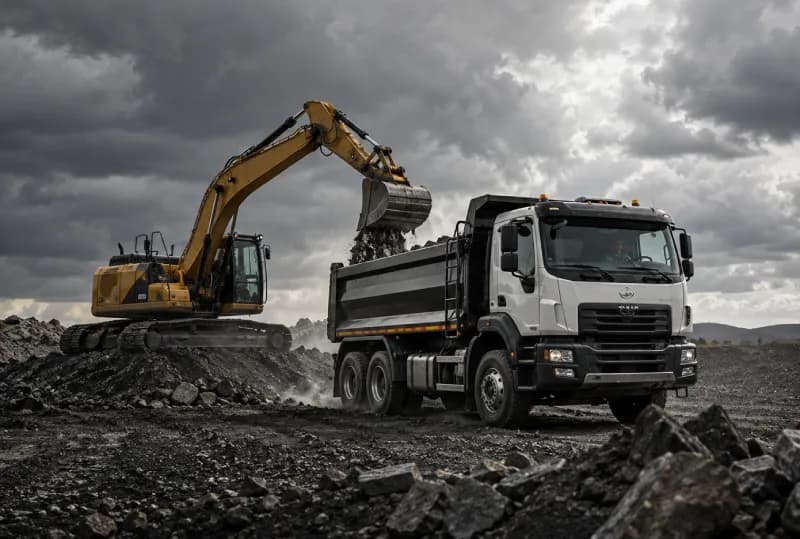
Commercial VehicleFrom prime movers and trailers to excavators and earthmoving machinery, we arrange cover for transport vehicles and mobile plant across Australia.
And many more specialised vehicles and mobile plant assets
A transport business rarely has one insurance problem. Motor and fleet, cargo, liability, plant and equipment and the contracts behind them all sit together, and the structure only works when someone looks at the whole of it. That is the job we do.
We arrange commercial truck insurance and the covers that sit around it for transport operators, commercial fleets and civil and earthmoving businesses running heavy vehicles across Australia. One truck is welcome and always has been. An owner-driver is a different structure to a hundred-vehicle fleet, and both are broking work rather than a price on one asset.
With hands-on experience across transport, mining and civil operations, we go beyond arranging policies. We work with operators to understand their business, identify risks early and put the right protection in place.
We also take on hard to place risks. If a claims history, an older fleet, an unusual operation or a previous decline has made cover difficult to find, that is a conversation worth having rather than an automatic no.

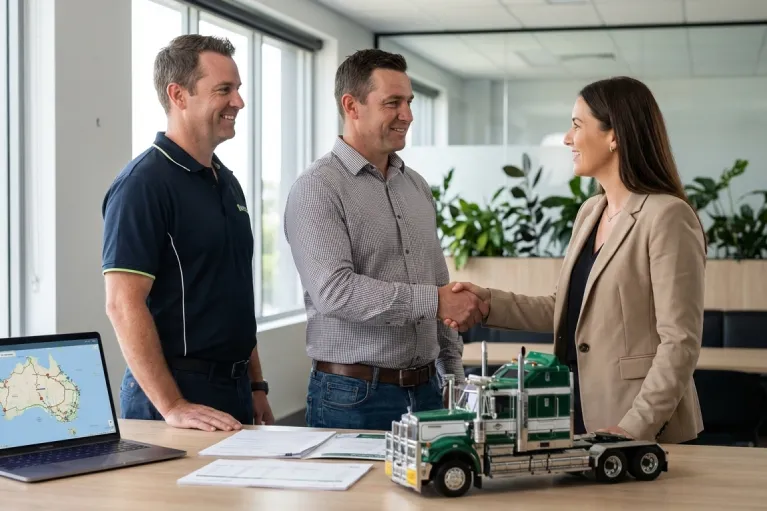
Paul Cohalan
Specialist Transport Insurance Broker
We work with operators across transport, civil construction and heavy equipment industries where vehicles, machinery and freight are central to the business.
Insurance solutions for freight operators, logistics providers and businesses moving goods across local, regional and interstate routes.
Transport & Logistics Insurance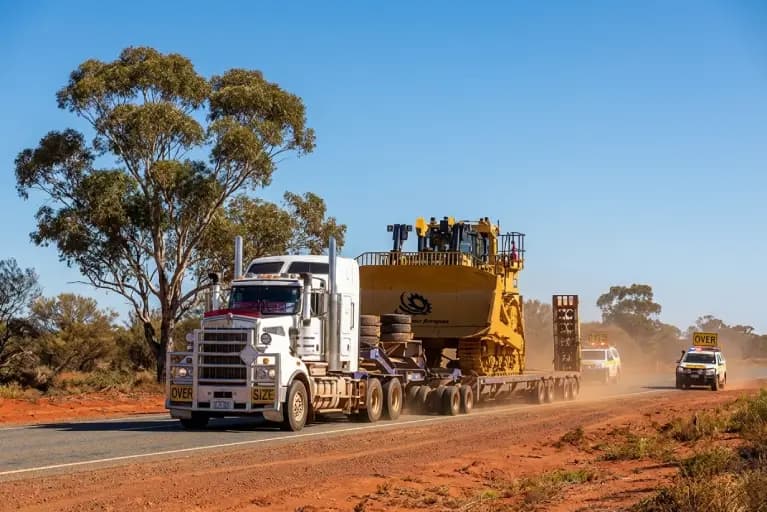
Cover designed for operators transporting oversized loads, specialised equipment and heavy freight.
Heavy Haulage Insurance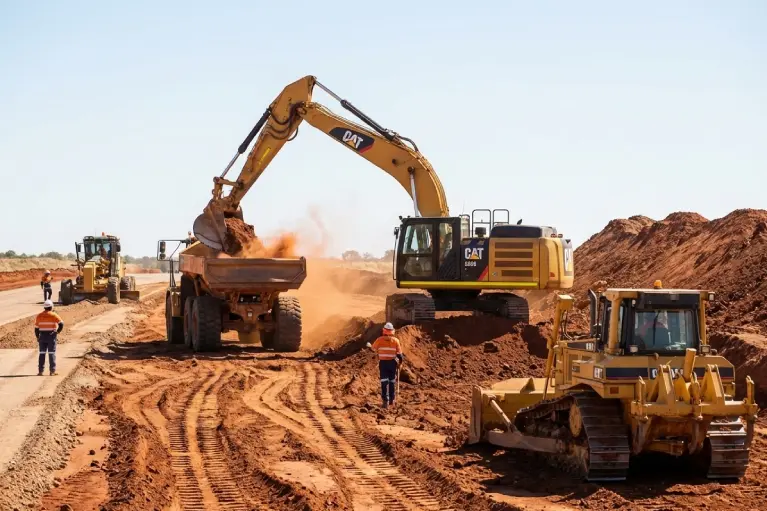
Supporting contractors operating excavators, graders, loaders and other machinery across civil and construction projects.
Earthmoving & Civil Insurance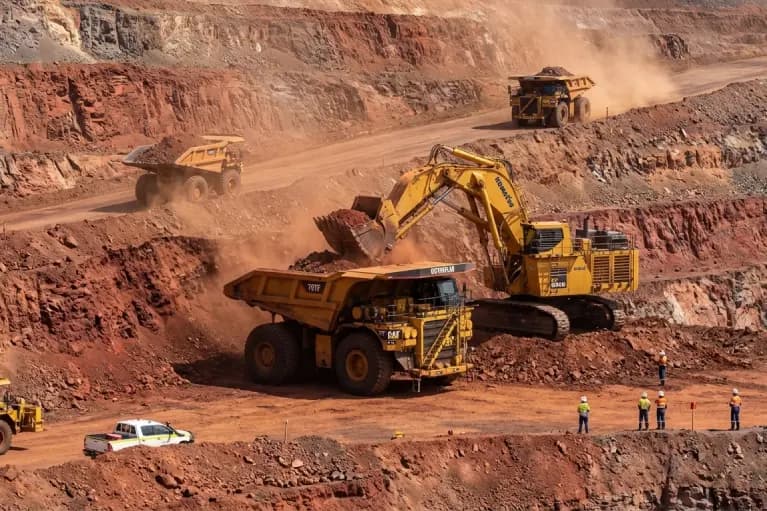
Insurance support for contractors and operators working within mining, resources and remote site environments.
Mining & Resources Insurance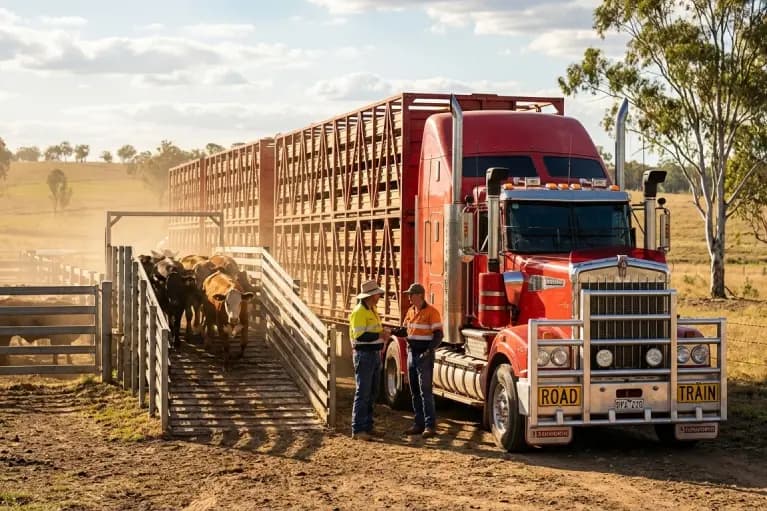
Protection for businesses transporting livestock, agricultural equipment and rural freight operations.
Agriculture & Livestock InsuranceNot Sure Which Cover Fits Your Operation?
Talk to a transport insurance specialist today.
Request an Insurance ReviewStart with a conversation about your operation, vehicles, contracts and risks so we understand how your business runs.
We work with selected insurers to arrange suitable cover for your trucks, trailers, cargo and equipment.
Once cover is in place, we continue supporting your business with policy reviews, risk discussions and claims assistance when needed.
Transport operations face real-world risks; from vehicle accidents and equipment damage to cargo incidents on the road. When something goes wrong, having an experienced broker involved early can help ensure the right information is collected and the claims process moves forward efficiently.
We work alongside clients during incidents, coordinating communication with insurers and supporting the claims process so you can focus on your business.
Renewals get the same attention. We start the review about twelve weeks out and want your answers back by six to eight weeks, not on the day it falls due, because fleets change through the year as vehicles are bought, sold and re-valued.
We know you are busy, and those hours are the same hours you would otherwise spend arguing about an uninsured item after the fact.
Accidents, breakdowns or load issues can happen without warning, stopping work and creating pressure across your operation.
Capturing the right information, photos and details early can make a major difference to how smoothly your claim progresses.
Delays, miscommunication or missing information can slow claims down. Staying organised early keeps things on track.

Early notification lets the claims process start quickly and ensures the right information and documentation are gathered.

We communicate directly with insurers and assist with claim notifications, documentation and follow-ups throughout the assessment process.
With experience across transport, civil and heavy equipment operations, we understand the pressures businesses face when vehicles or machinery are off the road.
Our focus is on helping you navigate the claims process so operations return to normal as quickly as possible.
A broker works for you, not for the insurer. Not every broker understands transport, and the difference shows up when you need cover that fits how you actually operate and someone in your corner during a claim.
Transport businesses operate in complex environments where vehicles, equipment and freight are constantly exposed to risk. A broker who understands the industry asks the right questions and explores cover options that actually fit.
We focus on operators across transport, logistics, civil construction and heavy equipment. Our approach is built around learning how your business operates and arranging cover that reflects those risks.

Our goal is to support operators over the long term, from arranging cover to assisting when incidents occur and helping you review risks as your business grows.
We arrange cover Australia-wide, and the scheme a claim runs through is set by the state a truck is registered in. Each page below is written for the place it names.
Speak directly with a specialist broker who works with trucks, fleets and heavy equipment every day.
Already insured? We can review how your trucks, trailers, plant, cargo and liability are currently structured and tell you whether it still suits the operation. Adding a vehicle or insuring your first one, that is the same conversation, just a shorter one.
1300 78 78 25Specialist Transport Insurance, Backed by Real Industry Experience.
Let's talk about your business and how we can help protect what keeps you moving.
A truck insurance broker works for you rather than for an insurer. The broker reviews how your transport operation runs, works out where the risk actually sits, approaches insurers on your behalf and arranges the cover. When a claim happens, the broker is the one dealing with the insurer for you.
Buying direct means you assess your own risk, choose your own limits and deal with the insurer yourself at claim time. A broker assesses the risk with you, can approach more than one insurer, and represents you rather than the insurer if something goes wrong.
Brokers in Australia are generally remunerated by commission paid by the insurer, a broker fee charged to the client, or a combination of the two. Whichever applies, the arrangement is disclosed to you in writing before you agree to anything, so you can see what you are paying for.
Yes. Hard to place usually means a risk the standard market has declined or loaded heavily: a poor claims history, an older or mixed fleet, a young or unlicensed driver on the record, or an operation that does not fit a standard rating box.
We approach the specialist underwriters who will actually look at those risks, and we tell you honestly if the answer is no rather than leaving you waiting.
Look for a broker who works in transport specifically rather than one covering every industry. Ask what they have actually handled, whether they can explain your exclusions in plain terms, and who you speak to when a claim lands.
Yes. An owner-driver usually needs a commercial motor policy with cargo and liability cover alongside it. Larger operators often move to a fleet policy that lets vehicles be added and removed as the fleet changes.
Claims support is a large part of what a broker does. The broker notifies the insurer, helps assemble the documentation and follows up the parts of the assessment that stall. Getting a broker involved early usually matters more than anything that happens later.
Transport operators may require several types of insurance depending on their operations. This can include commercial motor insurance for trucks, cargo or marine transit insurance for goods being transported, public liability insurance and workers' compensation. The appropriate cover depends on the nature of the business and its operational risks.
Fleet insurance allows multiple vehicles to be insured under one policy structure. This can simplify administration and allow trucks or equipment to be added or removed as the fleet changes.
Transport vehicles and specialised equipment often include modifications and accessories that increase their value. Ensuring assets are insured at appropriate values may help reduce the risk of underinsurance if a total loss occurs.
Transport operations can involve complex risks such as subcontractors, cargo liability, equipment values and regulatory obligations. Specialist brokers may help businesses understand these exposures and arrange insurance options suited to their operations.
Insurance policies can vary significantly in coverage, exclusions and limits. Selecting a policy based only on price may leave important risks uncovered.
Providing accurate information about vehicles, equipment, claims history and operations allows insurers to assess risk correctly and helps avoid issues during claims or renewals.
Transport fleets change regularly as vehicles and equipment are added, replaced or sold. Reviewing asset registers helps ensure insurance records remain accurate.
Starting renewal discussions well before policy expiry allows time to review fleet details, asset values and operational changes.
Safety should always be the first priority. Operators may then collect information such as photos, driver details and incident reports before notifying their broker or insurer.
Brokers often help coordinate communication with insurers, assist with documentation and support clients through the claims process.
Compliance Disclaimer: This information is general in nature and does not take into account your objectives, financial situation or needs. Please consider the relevant Product Disclosure Statement (PDS) before making any decision.