Livestock Insurance for the Value of Your Stock
Cover for the animals themselves, cattle, sheep, stud stock and the rest of the herd, not just the shed they live in or the truck that carts them.
Livestock insurance pays out on the value of stock you lose to an insured event, so one bad night does not take the season with it.
Arranged by brokers who work with producers and rural carriers, and who take your risk to the market rather than reading you a script.
The Stock Is the Asset, Insure It Like One
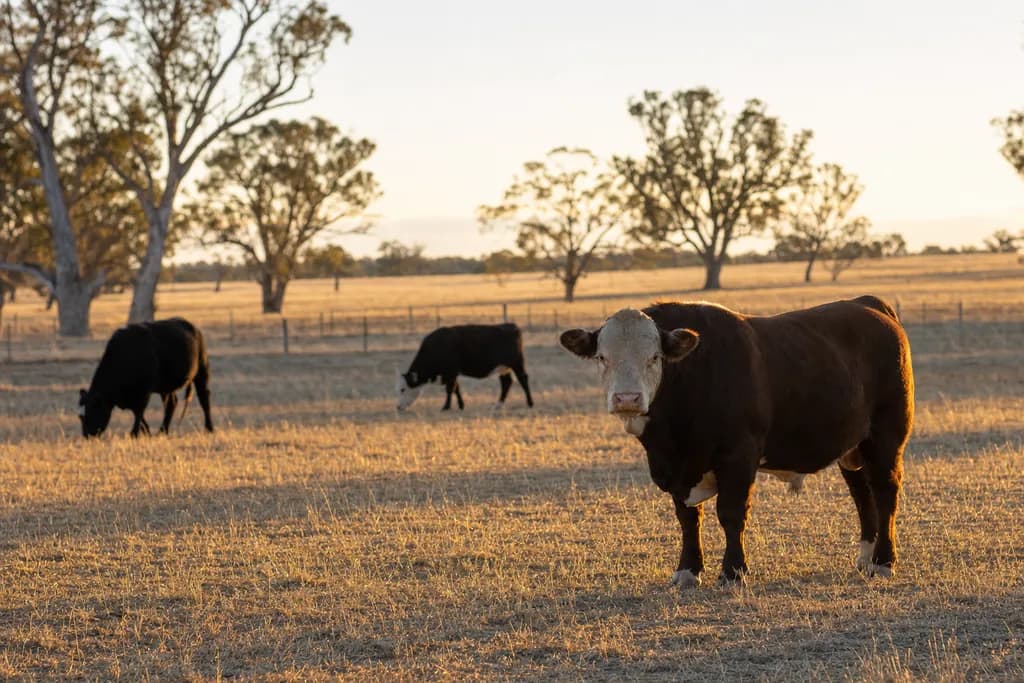
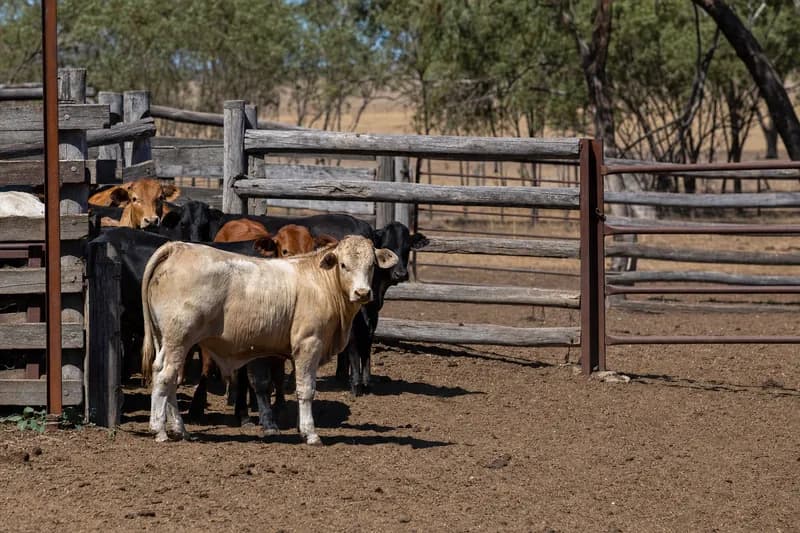
A paddock of cattle can be worth more than every machine on the property, and it is the one asset that can walk off, drown, or be gone by morning after a storm.
Most rural insurance conversations start with the sheds, the header and the ute. The animals paying for all of it are the part that gets left out.
We arrange cover on the value of the stock, structured around what you actually run, what it is worth and where it is most exposed.
Paul Cohalan leads the firm, and that same standard runs through every specialist broker on the team.
What Is Livestock Insurance
Livestock insurance covers the financial value of animals that die, or have to be destroyed, because of an event the policy insures. It is a mortality cover first and foremost: the payout replaces the value of the animal, not the vet bill that came before it.
The insured events usually run to fire, lightning, storm, flood, electrocution, drowning, accidental injury and impact by a vehicle. Theft and death in transit are commonly available, and cover for death from disease exists but varies a lot between insurers and often depends on your vaccination and biosecurity records.
What it is not is an all-purpose guarantee. Policies generally exclude death from old age, poor husbandry or nutrition, conditions the animal already had when you bought it, and losses with no identifiable cause. Drought is normally outside a standard policy unless it is specifically added.
Cover is written on a declared or agreed value rather than a replacement cost, so the sum insured only protects you if you keep it current with the market. That single habit is the difference between a claim that squares the loss and one that pays half of it.
- Pays on the value of stock lost to an insured event
- Written on declared or agreed values, per head or per animal
- Available for commercial herds and for individual stud animals
- Available while stock is in transit and at sales, on request
Stock We Arrange Cover For
If it carries value on your books and a bad night can take it off them, we can take it to the market.

Cattle

Sheep

Stud & Bloodstock

Horses

Goats

Pigs

Poultry

Alpacas & Others
What Livestock Insurance Can Include
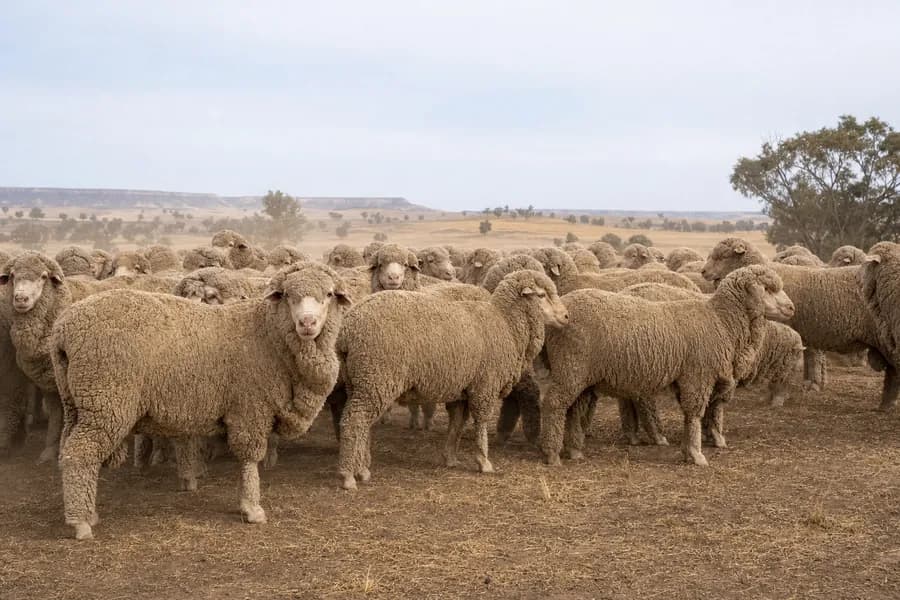
Livestock cover is assembled from the lines your operation actually needs. These are the ones producers and carriers ask us for most.

Mortality From Insured Events
The core of the cover. Pays the insured value when stock die, or have to be destroyed, from an event the policy responds to.

Fire, Lightning & Storm
The weather events that take stock in numbers rather than one at a time, including lightning strike and storm losses.
Flood & Drowning
Losses when water comes up faster than stock can be shifted, which is how a lot of Australian herd losses actually happen.
Accidental Death & Injury
Accidental injury, electrocution and impact by a vehicle, including animals that have to be destroyed on humane grounds.

Theft & Straying
Stock taken from the property, where cover turns on your NLIS records, your PIC and reporting it to police promptly.
Death in Transit
Animals that die or are injured while being moved by road, rail or sea, including loading, unloading and heat stress on the trip.

Stud & Individual Animals
High-value bulls, rams, stallions and show stock insured individually on their own value rather than a herd average.

Sales, Shows & Agistment
Cover from the fall of the hammer, and while stock are away from home at a show, on agistment or in a feedlot.
Cover for death from disease is available from some insurers and excluded by others, and where it is offered it usually depends on your vaccination and biosecurity records. We will tell you plainly which insurers will write it for your operation.
Herd Cover, or Cover on the Individual Animal
Livestock cover is not one product. Which one fits depends on whether the value sits across the mob or in a handful of animals, and plenty of operations need both.
Commercial Herd or Flock
Rated across the mob
- Suits trading cattle, breeders, wethers and commercial flocks
- Declared numbers, reviewed as the market and the season move
- Built for events that take stock in numbers, fire, flood and storm
Stud & Individual Animals
Rated on the one animal
- Each animal insured on its own agreed value
- Needs identification, photographs, pedigree and valuation evidence
- Can start from the fall of the hammer, before the animal comes home
Where Livestock Owners Get Caught Out
These are the assumptions we see turn a real loss into an uninsured one, on properties that genuinely believed they were covered.
Assuming the Farm Policy Covers the Animals
A farm pack is usually built around buildings, contents, machinery and liability. Stock is often a separate section that has to be selected and valued, and plenty of policies simply do not carry it. Read the schedule, not the brochure.
A Sum Insured Set at Last Year's Prices
Cover is written on declared values. When cattle prices move and the schedule does not, every head is underinsured by the difference, and that gap is yours to wear on the day.
Expecting Disease to Be Covered
Death from disease is the line that varies most between insurers. Some will write specified diseases, some exclude disease outright, and most that offer it want to see current vaccination records. Assume nothing here.
Stud Animals Sitting on the Herd Average
A bull worth many times the mob average is not protected by an average per-head value. High-value animals need to be scheduled individually, with the evidence to support the figure.
Records That Cannot Support a Claim
Theft and mortality claims are decided on evidence: NLIS tags matched to your PIC, photographs of high-value animals, vaccination and treatment records, and a police report inside the time the policy allows. Poor records is one of the most common reasons cover is limited or a claim is cut.
Assuming the Carrier Carries the Risk in Transit
A transport operator's liability cover is not the same thing as insurance on the value of your animals, and it responds only where the carrier is legally liable. If stock are worth insuring on the property, they are worth insuring on the trip.

Get Your Stock Covered Properly With Paul
“People insure the shed, the header and the truck, and then run a paddock worth more than the three of them on nothing at all. The animals are the asset. Insure the asset.”
Paul Cohalan
Founding Principal Broker
Call Paul on 1300 78 78 25Why Producers and Carriers Use a Specialist Broker
Livestock policies turn on definitions, exclusions and evidence. A broker's job is to make sure the cover answers on the day rather than reading well beforehand.

We Fight Your Claims
When an insurer disputes a loss on a wording or a value, we push back with the detail and hold them to it, the same way we pulled a fleet total loss from a 48 per cent offer up to the full insured value.

We Value the Stock Properly
We work through what you run, what it is genuinely worth today and which animals need scheduling on their own, so the sum insured is not a guess.

We Read the Wording
Disease, drought, transit and theft are where livestock policies differ most. We tell you which insurer will actually write the cover you need, and which will not.

We Know the Rural Task
We already look after the trucks, floats and machinery that move stock around this country. The animals on them are the part the industry keeps leaving uninsured.
Taken to the Market, Not Read Off a Rate Table
We take your livestock risk to the insurers who will write it, and present it properly, under a brokerage licence backed by Steadfast.
How We Arrange Your Livestock Cover
A straightforward process built around what you run and what it is worth, before anyone talks about price.
Understand the Stock
What you run, how many, the classes, the values, and which animals carry value out of proportion to the rest.
Map the Exposure
Where the losses would come from on your country: fire, flood, storm, theft, the sale run and the trip home.
Arrange the Right Cover
We put the risk to the insurers who write livestock, get the herd and the individual animals scheduled correctly, and explain what each one will and will not cover.
Renewals, Claims & Ongoing
We keep the values current as the market moves, handle the claim when it comes, and adjust the schedule as the herd changes.
What Shapes Your Livestock Insurance Premium
There is no flat rate for livestock cover. The premium reflects the stock, the values and how exposed they are, and a broker who presents that properly gets you a better answer.
We do not quote a number off a website. We build the risk properly and put it to the market, request a custom quote and we will work it through with you.
- The class of stock and how many head you are insuring
- The declared or agreed value on each class, or each animal
- Whether you need herd cover, individual stud cover or both
- Which perils you want, and whether disease is included
- Where the property sits for fire, flood and storm exposure
- Transit, sale and agistment cover on top of the property cover
- Your vaccination, biosecurity and NLIS record keeping
- Claims history and how stock are contained and managed
Related Cover
Transport operators rarely need just one policy. These are the covers most often arranged alongside it.
Talk Stock With a Specialist Broker
No call centre, no generic form. A broker who asks what the animals are worth and takes it to the insurers who will write it.
Get a Livestock Insurance Quote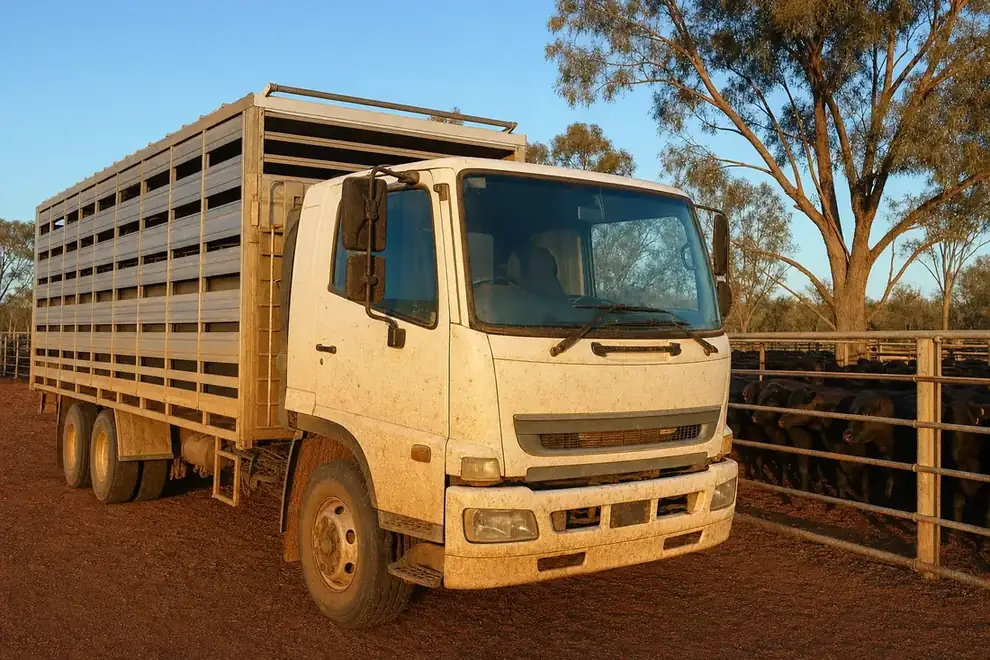
Get Your Livestock Cover Sorted Properly
Whether you run a commercial herd, a stud, or you are carting other people's stock for a living, the right cover starts with a broker who asks what the animals are worth.
Tell us what you run and where it is exposed, and we will take it to the insurers who will write it.
Livestock Insurance FAQs
Livestock insurance covers the financial value of animals that die, or have to be destroyed, because of an event the policy insures. It is primarily a mortality cover: it replaces the value of the animal rather than paying treatment costs. It can be written across a commercial herd or flock on an average value per head, or on individual high-value animals such as stud bulls and rams.
Cover typically responds to fire, lightning, storm, flood, drowning, electrocution, accidental injury and impact by a vehicle. Theft and death in transit are commonly available, and cover for death from disease is offered by some insurers and excluded by others. What any one policy covers depends on the insurer and the wording, which is exactly what we work through with you before you buy.
Often not. A farm pack is usually built around buildings, contents, machinery and liability, with stock as a separate section that has to be selected and valued. Plenty of policies do not carry it at all. Check the schedule rather than assuming, and if you are not sure, send it to us and we will read it.
Sometimes. This is the line that varies most between insurers. Some will write specified diseases, some exclude disease entirely, and where it is offered the insurer usually wants to see current vaccination and biosecurity records. We will tell you which insurers will write disease cover for your operation rather than leaving you to find out at claim time.
Standard exclusions usually include death from old age, poor nutrition or husbandry, conditions the animal had before you bought it, losses with no identifiable cause, and drought unless it has been specifically added. Every wording is different, which is why the exclusions are worth reading before the perils.
Cover is written on a declared or agreed value rather than a replacement cost. Commercial stock is generally insured on an average value per head for each class, while stud and high-value animals are scheduled individually and usually need identification, photographs, pedigree and valuation evidence. The sum insured only protects you if you keep it current with the market.
Yes. Stud stock, bloodstock and show animals are insured individually on their own agreed value, not on the herd average. Cover can commonly start from the fall of the hammer at a sale, so the animal is protected before it gets home.
It can be. Death or injury in transit by road, rail or sea is a common extension, and it covers the part of the job where a lot of loss actually happens: loading, unloading, heat stress and accidents. Do not assume the carrier's insurance does this for you. Their liability cover responds only where the carrier is legally liable, which is a different thing from insuring the value of your animals. If you are the operator carting the stock, see our livestock truck insurance page for the vehicle itself.
Theft cover is commonly available, and it is decided on evidence. Insurers generally want NLIS tags registered to your PIC, proof that gates and fencing were in reasonable condition, and a police report made within the timeframe the policy sets. Straying is treated differently from theft, so the records matter.
There is no flat rate. Premiums are driven by the class and number of stock, the values you declare, whether you need herd or individual cover, which perils are included, where the property sits for fire and flood, and your record keeping and claims history. We build the risk profile properly and put it to the market rather than quoting a number off a website.
Compliance Disclaimer: This information is general in nature and does not take into account your objectives, financial situation or needs. Please consider the relevant Product Disclosure Statement (PDS) before making any decision.