Semi Trailer Insurance for Australian Transport Operators
Specialist cover for the trailers that carry your freight and a lot of your value, arranged by brokers who actually understand transport.
Semi-trailers, drop decks, flat tops, curtainsiders, reefer and tipper trailers, dollies and low loaders, owned, leased or in your control.
Trailers get detached, swapped and sub-hired constantly. We make sure the cover follows the freight, not just the prime mover.
The Half of Your Rig Most Operators Underinsure
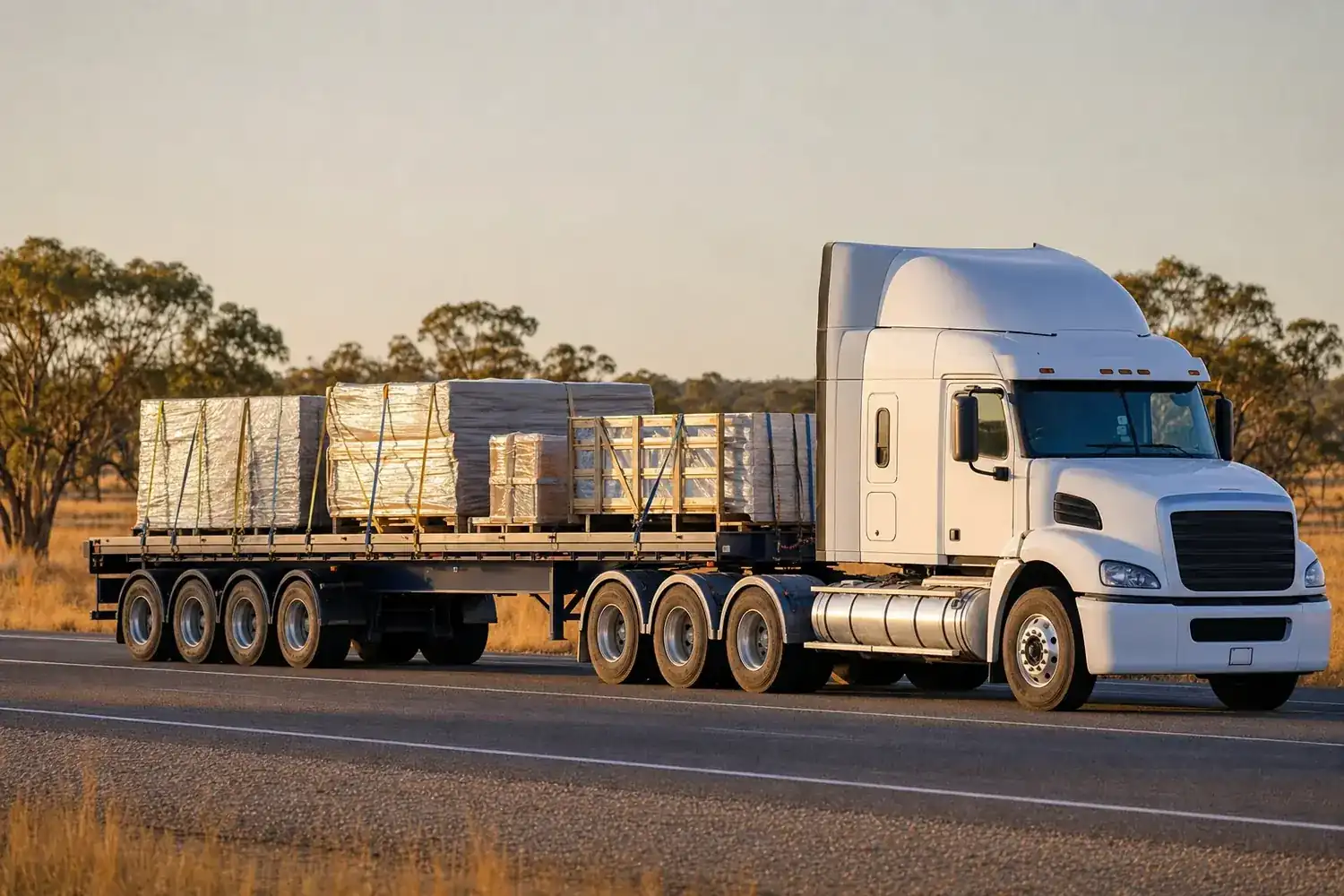
Plenty of operators insure the prime mover properly and treat the trailer as an afterthought. That is backwards.
A loaded drop deck, a refrigerated trailer or a curtainsider full of freight can carry more value and more exposure than the truck pulling it.
We have managed heavy haulage and run the gear, so we structure trailer cover around how the freight task actually works, declared values that are current, the accessories that add up, and the liability you pick up the moment a non-owned trailer hooks onto your truck.
Paul Cohalan leads the firm, and that same standard runs through every specialist transport broker on the team.

Trailer-Focused Advice
Specialist cover for operators who run trailers, not just trucks, semi, drop deck, reefer and tipper.

Values & Risk Reviews
We keep your declared trailer values and accessories current, so you are never underinsured.

Claims Fought For You
Broker advocacy at claim time when a trailer or its freight is damaged.
Australia-Wide Cover
Cover that follows your trailers across the country, owned or non-owned, including trailer-in-control on hooked-up units.
Trailers We Insure
If it gets towed behind a prime mover or a rigid and earns its money on the road, we place cover for it. These are the units we write most.
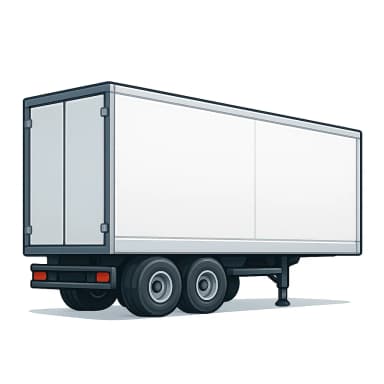
Semi-Trailers
The workhorse single trailer behind a prime mover.
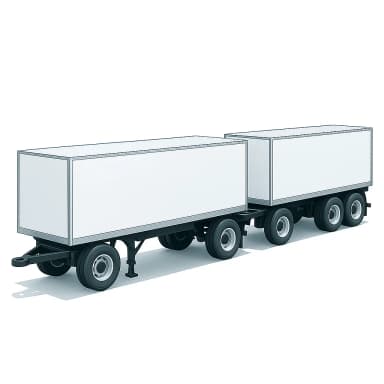
B-Doubles & Road Trains
Multi-trailer combinations running interstate freight.
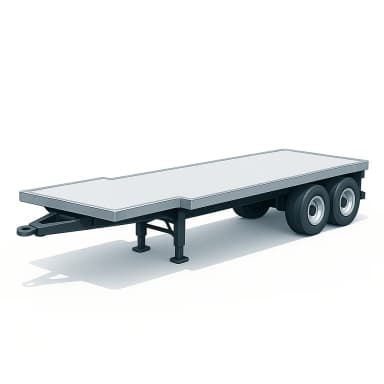
Flat Tops & Drop Decks
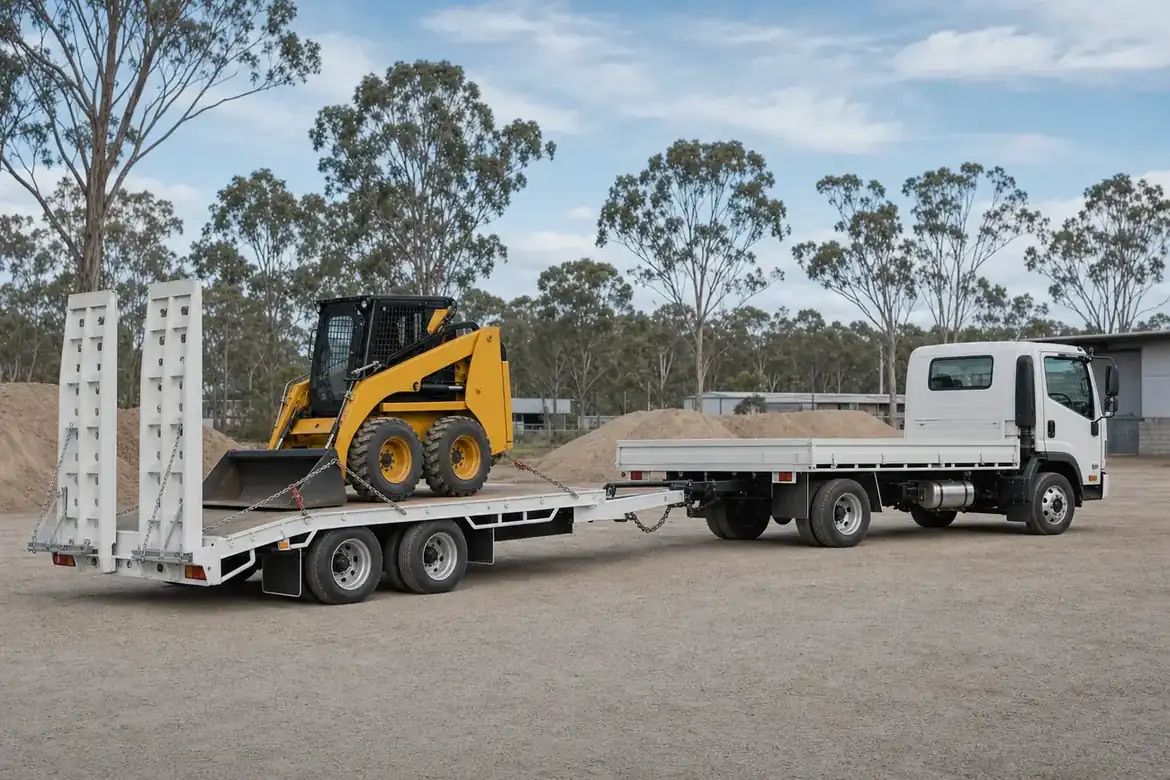
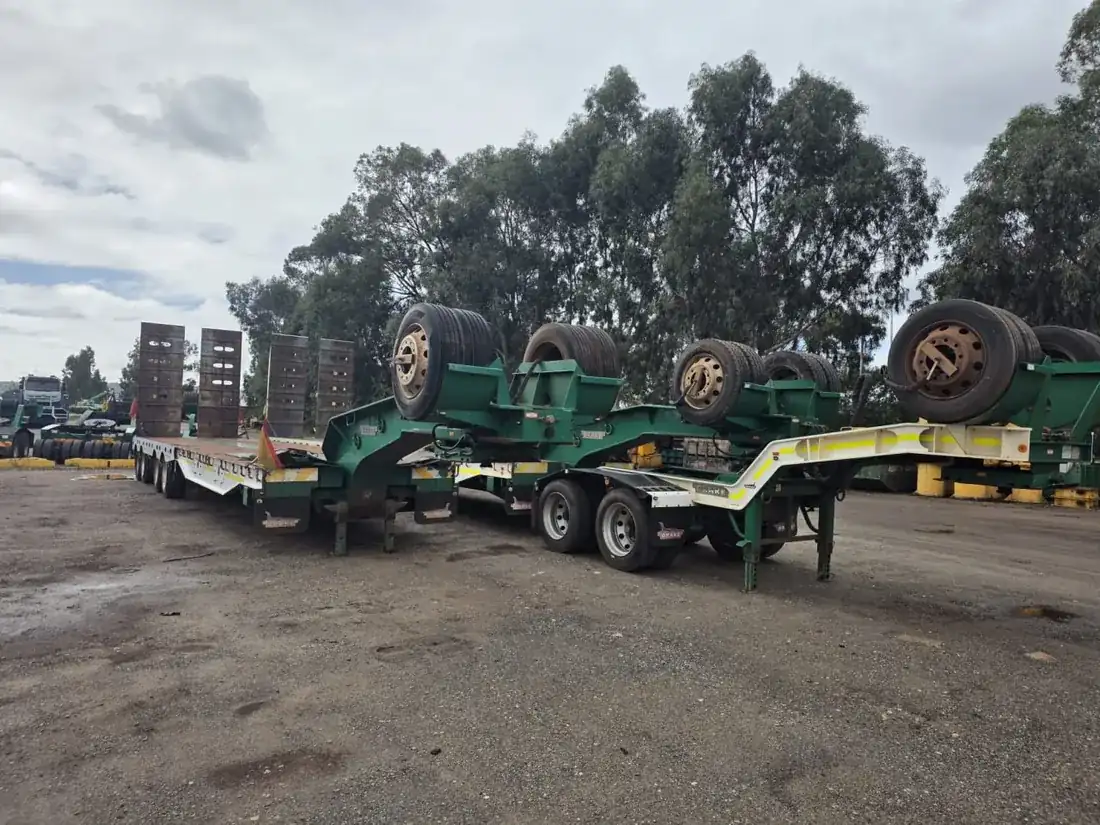
Flat-deck and low loaders for machinery and oversized freight.
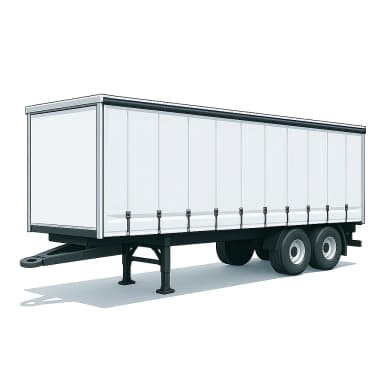
Curtainsiders & Tautliners
Curtain-sided trailers hauling palletised freight.
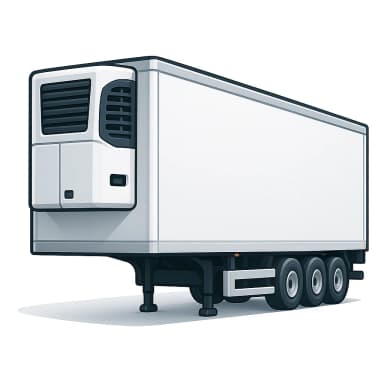
Refrigerated Trailers
Reefer units carrying temperature-sensitive freight.
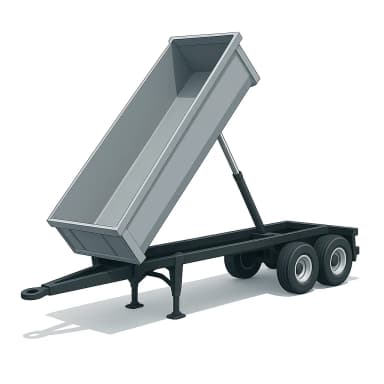
Tippers & Bulk Trailers
End and side tippers moving spoil, aggregate and grain.
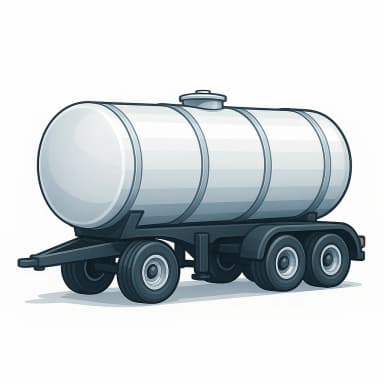
Tankers
Liquid, fuel and dry-bulk tankers with their own risk profile.
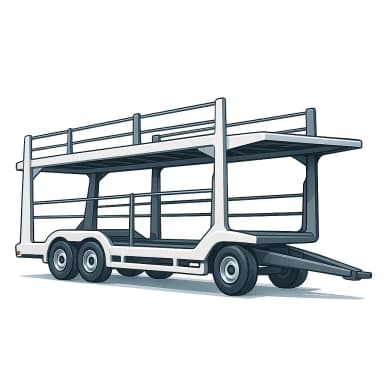
Car Carriers & Specialised
Car carriers, livestock crates, dog trailers and more.
And many more specialised and purpose-built trailers
Trailer-in-Control & Non-Owned Trailer Liability
The moment you hook a trailer that is not registered in your name onto your truck, you take on responsibility for it, and most standard policies do not follow it there.
Trailers are detached, swapped between trucks and sub-hired all day. A trailer sitting in your yard or being towed under your contract is your exposure, even though your name is not on the rego.
Trailer-in-control cover protects you against liability for loss or damage to a non-owned trailer while it is in your possession and used for your work. For operators running sub-hire or moving other people's trailers, it is the difference between a contained incident and an uninsured bill.
Non-Owned Trailers
Liability for trailers in your possession that you don't own.
Follows the Trailer
Cover that moves with the trailer between prime movers.
Sub-Hire & Contract
Sub-hired and contracted trailer movements, covered.
In Your Yard
Trailers detached, parked or stored on your site.
What Commercial Trailer Insurance Can Include
Trailer cover is not one product, it is built from the lines your freight task actually needs. These are the covers we place most for trailer owners.

Accidental Damage, Fire & Theft
Comprehensive physical damage to your trailers from collision, rollover, fire, theft and weather, wherever they are working or parked.

Trailer-in-Control & Non-Owned
Liability for non-owned and sub-hired trailers while they are coupled to your truck or in your possession for work.

Goods in Transit & Cargo
Cover for the freight riding on the trailer, customer cargo and goods in transit, including the specialised loads generalists get wrong.

Refrigeration & Accessories
The reefer unit, tautliner curtains, ramps, gates and load-restraint gear that add real value to a working trailer.

Third Party Property Damage
Damage your trailer causes to other people's property, a non-negotiable for any unit on the road.

Public & Products Liability
Protection against injury or damage claims arising while loading, unloading, restraining and moving freight.

Downtime & Replacement
When a trailer is off the road after an incident, that freight task still has to move. Cover that helps replace the earning unit.

Fleets of Trailers Under One Program
Whether you run two trailers or two hundred, we bring them under one program with declared values that stay current.
We also place loss of use, recovery costs and ad-hoc endorsements as your trailer fleet changes.
The Gaps That Catch Trailer Owners Out
These are the trailer-specific mistakes we see turn a routine incident into a financial hit the business cannot absorb.
Insuring the Truck, Forgetting the Trailer
The prime mover gets the attention and the trailer gets an out-of-date value or no separate cover at all, even though a loaded trailer can be worth more than the truck. We make the trailer a deliberate line, not a footnote.
No Trailer-in-Control Cover
Operators tow non-owned and sub-hired trailers every day and assume someone else's policy has it. When a non-owned trailer is damaged in your control, that assumption becomes your bill.
Undervalued Reefer Units and Accessories
A refrigeration unit, tautliner curtains and load-restraint gear add tens of thousands before a trailer carries a single pallet. If they are not declared, they are not paid at claim time.
Forgetting the Freight on the Trailer
Physical damage to the trailer and the cargo riding on it are two different covers. Without goods-in-transit, a damaged load is an uninsured loss to you and an unhappy customer.
Downtime on a Single Earning Unit
If a specialised trailer is off the road for weeks, the freight task it was built for stops earning. Without a replacement or downtime plan, the loss compounds while the work goes elsewhere.
Set-and-Forget as the Fleet Grows
Adding trailers, changing freight tasks or moving into sub-hire changes your risk profile. Cover that fit a two-trailer operation does not automatically fit the fleet you have become.
How Trailers Step up Through a Working Fleet
Trailers are not one thing. They step up from a basic flat top to a hundred-tonne float, and every step up changes the value on the deck, the way the load behaves and the cover the trailer needs. A trailer only earns when it is turning, so how it is built, loaded and maintained is exactly where your money and your risk sit.
Flat Tops & General Freight
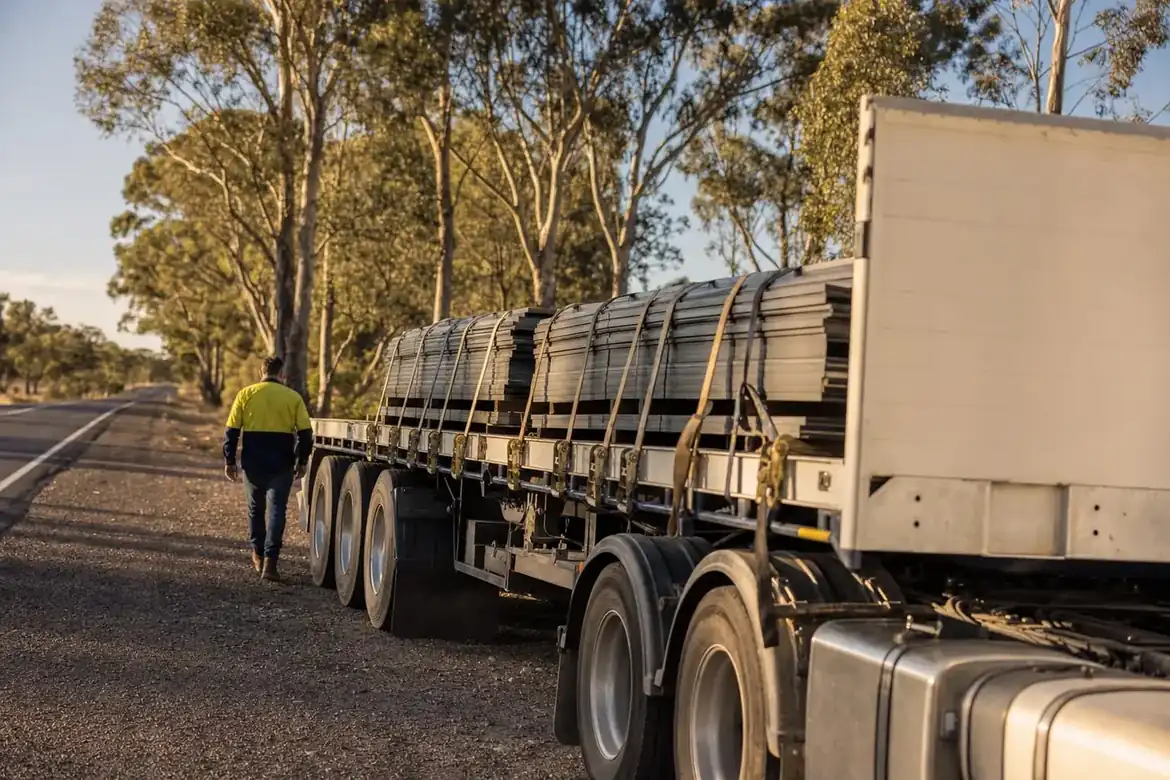
Most fleets start with the general plate trailer, or flat top, a flat 2.5-metre-wide deck carrying palletised and general freight. The same deck moves between freight tasks, which is part of its value.

Drop Decks & Ramps
A drop deck steps the front down so the load sits lower and clears height limits, and ramps let it carry plant and equipment around town. The deck height is doing real compliance work, not just holding freight.
Floats & Heavy Floats
Step up to floats, 2x4, 4x4, 4x8 and the 50, 75 and 100-tonne floats, and you are putting machines on the deck. Now it is about weight distribution and rating, not just deck space.
Tautliners, Reefers & Specialised
Enclosed tautliners, refrigerated reefers, livestock crates and purpose-built blade trailers each carry their own value and their own risk profile. These are the units generalist insurers guess at, and we don't.
Heavy trailers commonly run anywhere from around $30,000 to well over $200,000 once you count the deck, the ramps, the reefer unit and the accessories, which is why getting the declared values right before renewal matters so much.
What Owning the Right Trailer Really Involves
Watch Your Height and Width
Go over width and you are into oversize and over-width territory, permits, pilots and a different risk again. A drop deck exists precisely to keep the load height legal.
Three Trailers, One Conveyance
Hook up a triple road train and the three trailers run as one conveyance, one trip, one moving risk. How that combination is treated is something that matters at claim time.
Weight Distribution and Dollies
A 50-tonne float will not always take a full 50 tonnes. You load the weight forward and run a dolly up front to carry the extra and balance the combination. The cover should reflect how the gear is actually loaded, not just its rating.
Get Your Trailer Cover Right With Paul
“The trailer carries the freight and a lot of the value, but it is the first thing operators underinsure. Get the values and the trailer-in-control right and you have closed the gap most policies leave open.”
Paul Cohalan
Founding Principal Broker
Call Paul on 1300 78 78 25Why Trailer Owners Use a Specialist Broker
The direct market handles a single box trailer fine. Once you run commercial trailers, real values and sub-hire, you need an advisor who knows transport, not a transaction desk.

We Fight Your Claims
When an insurer lowballs a trailer or freight claim, we push back with proper valuations and the detail that holds them to account, the same way we pulled a fleet total loss from a 48 per cent offer up to the full insured value.

We Get Your Values Right
We work the trailer values, the reefer units and the accessories with you before renewal, so the policy reflects what is actually on the deck.

We Cover Non-Owned Risk
Sub-hire and trailer-in-control are where operators get caught. We structure the cover so the trailer is protected no matter whose name is on the rego.
We Actually Understand Transport
We have managed fleets, run heavy haulage and sat in the operator's seat. That is why the specialist insurers know we know our stuff at renewal.
Backed by Australia's Leading Heavy Vehicle Insurers
We place trailer and transport business with the specialist underwriters that actually understand heavy vehicle risk, under a brokerage licence backed by Steadfast.
How We Arrange Your Trailer Cover
A straightforward process built around how your trailers actually earn before we talk price.
Understand Your Trailers
Types, values and accessories, the make, model and year of each unit, whether it is custom or off-the-shelf, who owns it, what it carries and how often it is sub-hired or swapped.
Build the Risk Profile
We get the declared values current, find the trailer-in-control and goods-in-transit gaps, and put the best version of your risk to the market.
Arrange the Right Cover
We place the program with the specialist insurers who understand heavy vehicle and trailer risk, not generalists guessing at it.
Renewals, Claims & Ongoing
We keep values current as you add units, fight the claims and handle the changes as the fleet grows.
What Shapes Your Trailer Insurance Premium
There is no flat rate for trailer insurance. Your premium reflects the units, the values and the freight task, and a broker who understands it can present your risk in the best light.
We do not quote a number off a website. We build your trailer risk profile properly and put it to the market, request a custom quote and we will work it through with you.
- Trailer types and how many you run
- Declared values, including reefer units and accessories
- Whether you tow owned, leased, non-owned or sub-hired trailers
- The freight task and operating radius
- Claims history across the fleet
- Load restraint, maintenance and where trailers are stored
- Goods-in-transit and the value of the freight you carry
- The age, make and condition of each trailer
Related Cover
Transport operators rarely need just one policy. These are the covers most often arranged alongside it.
Talk Trailers With a Specialist Broker
No call centre, no generic form. A broker who understands transport and will be there at claim time.
Get a Trailer Insurance QuoteGet Your Trailer Cover Sorted Properly
Whether you run two trailers or a fleet of them, the right cover starts with a broker who understands how your freight task works and what your trailers are really worth.
Tell us about your trailers, what they carry and how you run, and we will build cover that actually fits.
Trailer Insurance FAQs
A commercial trailer program can include accidental damage, fire and theft to the trailer, trailer-in-control and non-owned trailer liability, goods in transit and cargo, refrigeration units and accessories, third party property damage, public and products liability, and downtime or replacement cover. The right mix depends on your trailer types and freight task.
Trailers can be insured on the same program as your prime movers, but they need to be a deliberate, separately valued line, not an afterthought. A loaded trailer often carries more value and exposure than the truck towing it, so it deserves its own declared values and the right liability cover.
Trailer-in-control cover protects you against liability for loss or damage to a non-owned trailer while it is coupled to your truck or otherwise in your possession and used for your work, even though it is not registered in your name. It is essential for operators who tow sub-hired or contracted trailers.
Yes. Non-owned and sub-hired trailers are exactly where operators get caught out. We structure cover so a trailer in your control is protected regardless of whose name is on the registration.
There is no flat rate. Semi-trailer premiums depend on the trailer values, the freight you carry, your claims history, load restraint and storage, and whether you run owned or non-owned units. We build the risk profile properly and put it to the market rather than quoting a number off a website, request a custom quote.
Yes. We place cover for reefer trailers and their refrigeration units, end and side tippers, bulk and grain trailers, flat tops, drop decks, curtainsiders, tankers, car carriers, livestock crates and dog trailers, each with its own risk profile.
Physical damage to the trailer and cover for the freight riding on it are two separate things. We place goods-in-transit and marine cargo cover for the load so a damaged consignment is not an uninsured loss to you and your customer.
A specialised trailer off the road means its freight task stops earning. Depending on the program, downtime, replacement or loss-of-use cover can help keep the work moving while the claim is managed.
Yes. Whether you run two trailers or two hundred, we bring them under one program with declared values that stay current as you add and retire units.
We place business with Australia's specialist heavy vehicle insurers, including NTI, Global Transport (Allianz), HMIA, Zurich, QBE and UAA, under a brokerage licence backed by Steadfast.
Underinsurance is the single biggest trap with trailers. We build an accurate asset register, make, model, year, trailer type and whether each unit is custom or off-the-shelf, and confirm current values, including ramps, reefer units and accessories, a few months before renewal. That way the declared value reflects what is really on the deck and you are paid properly at claim time.
Claims can affect your renewal, which is exactly why how a claim is handled matters. A specialist broker works the claim with the insurer, including the repair strategy and the right settlement approach, to keep the cost contained and protect your future premium rather than letting it blow out. That advocacy is the difference between a claim that is simply paid and one that hurts you at the next renewal.
Compliance Disclaimer: This information is general in nature and does not take into account your objectives, financial situation or needs. Please consider the relevant Product Disclosure Statement (PDS) before making any decision.