
Commercial Vehicle Insurance
If a vehicle earns money for your business, it needs cover written for the work it does. A private car policy can fall short when you claim.
We arrange commercial vehicle insurance across the whole range you run, from trucks and vans to utes and buses, under one specialist broker.
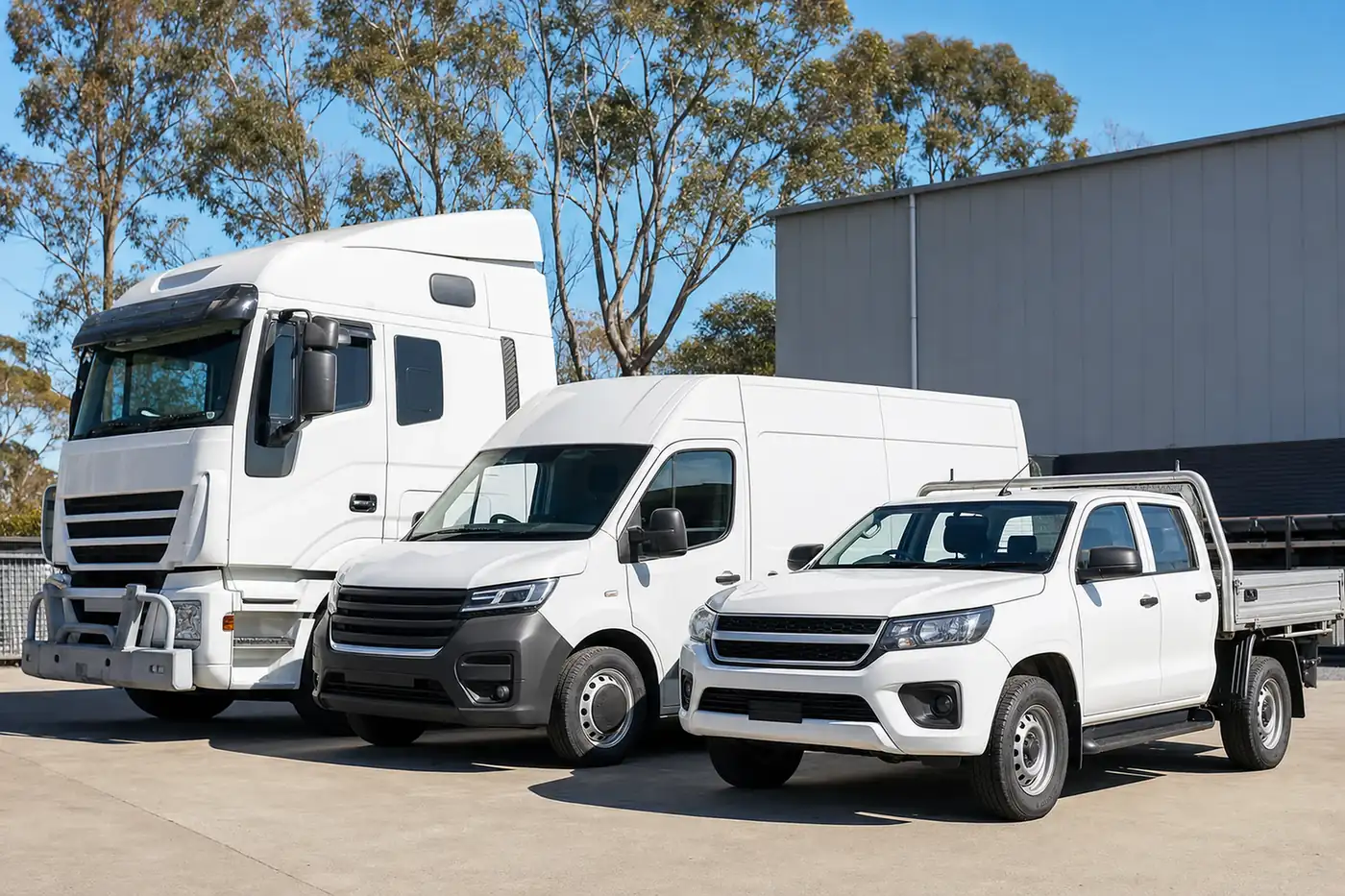
One Broker for Every Vehicle in Your Business
Most operators do not run just one type of vehicle. There is a truck out on the highway, a van doing deliveries and a ute turning up to site.
Insuring each of those somewhere different means different renewal dates, different people to call when you claim, and gaps nobody is watching.
You may see this cover called commercial motor insurance. That is the name most insurers print on the schedule, which lists the vehicles on your policy, and it is the same commercial vehicle insurance we arrange.
We look after the whole lot, so there is one broker to call about any vehicle, and one person who knows your business deals with the insurer when you claim.
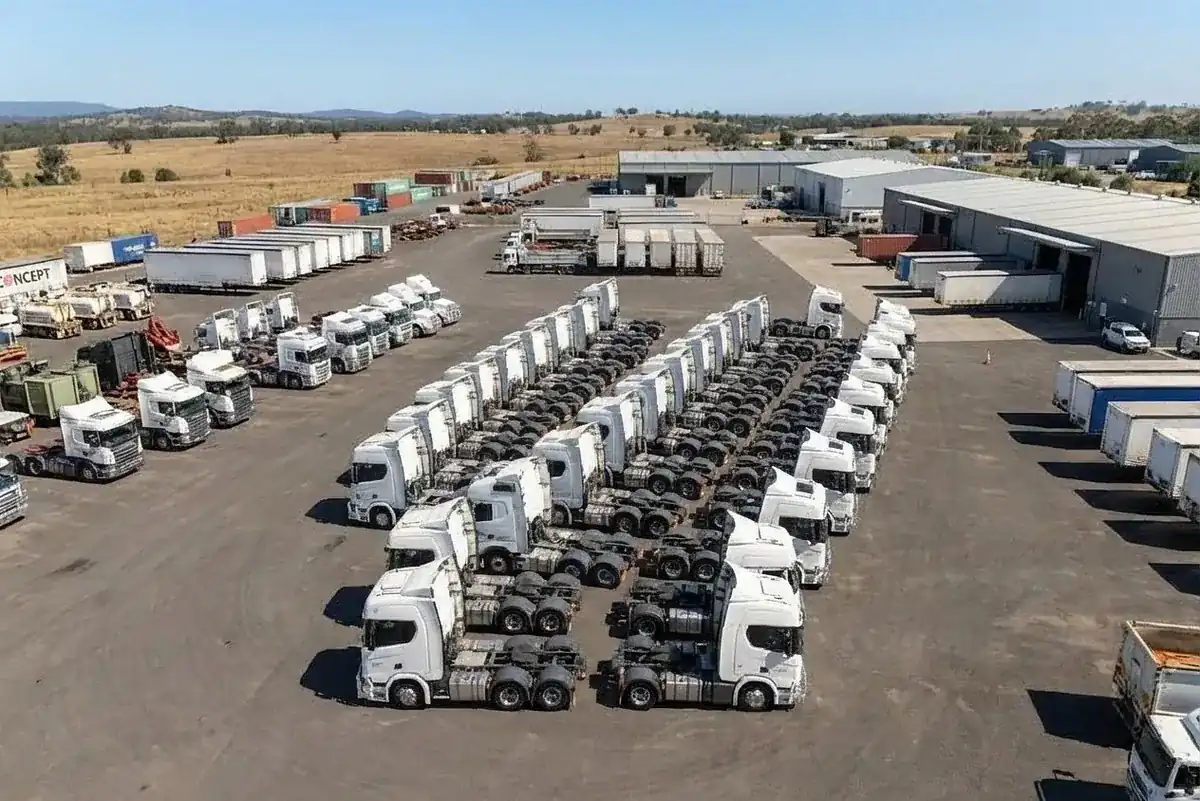


Get the Right Commercial Vehicle Cover With Our Team
“Money's important. I totally get it. But it's the value that you get behind it, and it's actually how much you're spending versus how much you're earning, which is the key point.”
Jackson Wall
National Manager
Call Paul or Jackson on 1300 78 78 25Commercial Vehicle Insurance for the Vehicles You Run
We arrange cover for each of these. Pick a vehicle to see how it is usually covered, and we set yours up around the way you use it.


Don't See Your Vehicle Here?
Tell us what you run and how you use it, and we'll set up the cover.
When a Set of Vehicles Becomes a Fleet
There is no hard number, but most insurers reprice you somewhere around sixteen units.
A Few Vehicles
Three or four utes, vans or trucks
- Each vehicle is usually rated on its own
- Each one is priced as a percentage of what it is worth
Around Sixteen and Up
A fleet schedule, one list of every vehicle
- Most insurers can move you onto a unit rate, a set price per vehicle
- The insurer prices the whole operation rather than each vehicle
- You keep the schedule up to date as vehicles are bought and sold
When a broker says motor fleet, they usually mean light commercial vehicles: vans, utes and light trucks. Once the schedule is mostly prime movers, trailers and heavy gear, insurers write it as a transport fleet, which is a different policy. Ask us about a fleet policy as you get near sixteen, not after you have passed it.
What Commercial Vehicle Insurance Covers and Doesn't
Most policies cover damage, theft and other people's property, with a few common exclusions.
Usually Covered
- Accidental damage, collision and fire to the vehicle
- Theft and attempted theft of the vehicle
- Third-party property damage caused by the vehicle
- Public and product liability arising from the work you do
- Tools of trade, cargo and equipment carried on board, where arranged
- Windscreen and glass damage, where arranged
- Downtime and loss of income while the vehicle is off the road, where arranged
- One policy or a fleet policy across every vehicle you run
Commonly Not Covered
- Wear and tear, rust, and mechanical or electrical breakdown
- A driver without the right licence, over the alcohol limit or affected by drugs
- A vehicle that is unroadworthy or loaded over its legal weight limit
- Modifications and fit-outs you did not tell the insurer about
- Damage done on purpose by you, or by someone with your say-so
- Tools, cargo and equipment that were never added to the policy
Cover varies by insurer and how you operate. We confirm exactly what is and isn't included before you rely on it.
Why a Private Motor Policy Falls Short
A vehicle used for business carries risks a private car policy was never priced for.
Business Use Not Declared
If the vehicle was being used for work, a claim on a private policy can be reduced or declined. Commercial cover is written for that use.
The Load and the Liability
Tools in the tray, freight on the truck and people on the bus each carry risks a private motor policy was not written for.
Downtime That Stops the Job
When a work vehicle is off the road, the income stops too. Downtime cover, if you add it, can help with the weeks of lost work.
How We Arrange Your Commercial Vehicle Insurance
You deal with a broker the whole way through, not a call centre.
Tell Us What You Run
The vehicles, how they are used and where. One conversation covers every vehicle in the business.
We Structure the Cover
We match each vehicle to the right policy and close the gaps a private policy would leave open.
You Compare and Choose
We lay out each option with its cover and its price, and explain what you give up with each one.
We Are There at Claim Time
If something goes wrong, you call us and we deal with the insurer from start to finish.
Related Cover
Most operators need more than one policy. Here are the covers they usually add.
Get a Commercial Vehicle Insurance Quote
Send us a list of your vehicles, what they carry and where they run, and we will come back to you with a quote. We reply within 1 business day.
Commercial Vehicle Insurance FAQs
Any vehicle used for business rather than private purposes, from a truck or van to a ute, bus or coach. If it earns for the business or carries tools, goods or passengers for work, it is a commercial vehicle and needs cover written for that use.
Often, yes. A fleet policy can bring trucks, vans and utes under one renewal with one claims history. Insurers usually start treating a schedule as a fleet at around sixteen units, though there is no hard number. Below that, we work out whether one policy or separate policies suits you better.
Yes. A work vehicle carries tools, freight or passengers and clocks up different kilometres in different conditions. We set the cover up for that use, rather than stretching a private policy that may not pay out when you claim.
It can. Tools of trade, cargo and equipment carried on board can be covered alongside the vehicle, so a break-in or an accident does not leave the load uninsured. We set the limits, the most the policy will pay, to match what you carry.
Yes. Commercial motor insurance is the name most insurers use on the policy schedule, and commercial vehicle insurance is the same cover described in plainer words. Whichever name you were quoted under, it is the cover we arrange.
A broker compares insurers, sets the cover up around how you operate and argues your case with the insurer when you claim. For a business running several vehicles, that means one person who knows every vehicle you run and deals with the insurer for you.
Compliance Disclaimer: This information is general in nature and does not take into account your objectives, financial situation or needs. Please consider the relevant Product Disclosure Statement (PDS) before making any decision.