Goods in Transit Insurance for Australian Businesses
Cover for the goods on the vehicle: your own stock and equipment, or the freight you have been trusted to move.
It responds when a load is stolen off a ute overnight, damaged in a rollover, or written off by an accident that was never your fault.
Your motor policy pays to fix the vehicle. This is the cover that pays for what was on it.
The Vehicle Is Insured. The Load on It Usually Is Not.
Most businesses that move goods have a comprehensive motor policy and assume it stretches to what is in the tray or the trailer. It does not.
A plumber's van full of fittings, a retailer's stock going between stores, a pallet of parts on a subcontractor's truck: every one of those is a separate insurable interest from the vehicle carrying it.
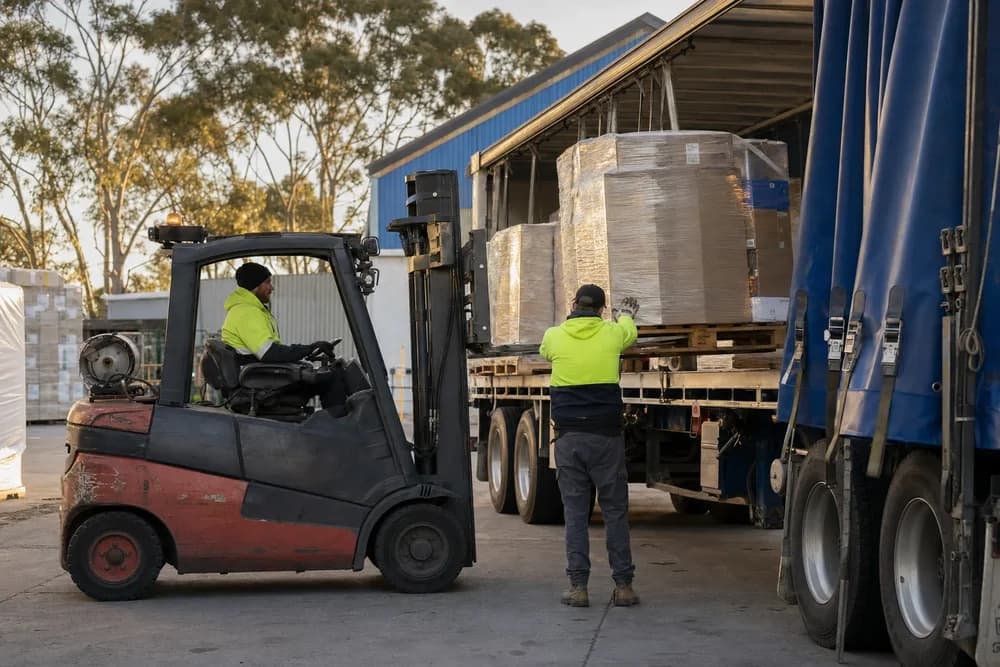
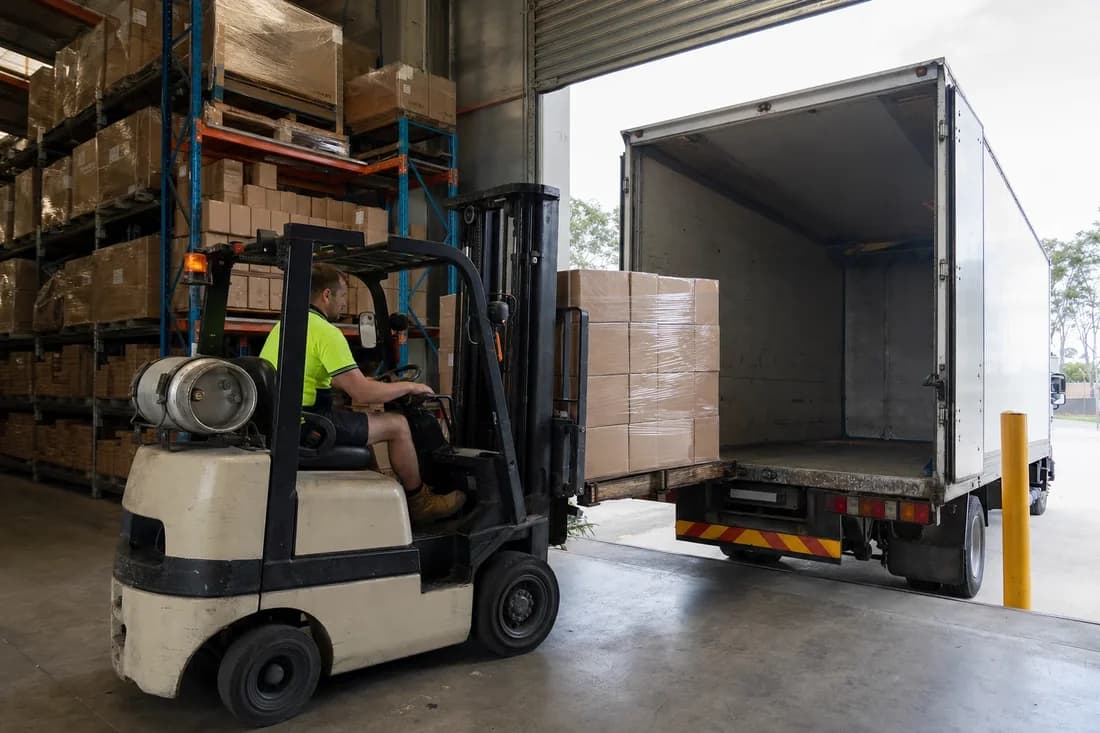
Goods in transit cover sits over the load itself, from the moment it is picked up to the moment it is delivered, including the loading and unloading either end.
Paul Cohalan leads the firm, and that same standard runs through every specialist transport broker on the team.

Any vehicle, not just trucks
utes, vans, trailers and rigids. If your goods travel on it, the cover can follow them.

Your goods or theirs
cover for stock you own and moving, and for freight carried on someone else's behalf.

Door to door
the cover runs from pick-up through the journey to delivery, loading and unloading included.
Whose Goods Are on the Vehicle
This one question decides which cover you need, and it is the question most businesses get wrong on the phone to a call centre.
Your Own Goods
Stock, tools and equipment you own
- Trade stock moving between your sites, suppliers or customers
- Tools, plant and equipment travelling in a ute, van or trailer
- Fit-out materials, samples and display gear on the road
Someone Else's Goods
Freight you carry for a customer
- You are moving a consignment you do not own, for payment or as part of a job
- Your exposure is legal liability, not just the value of the item
- What you owe is shaped by your consignment terms and carriage contract
Plenty of operators do both in the same week. We structure the two so there is no gap between them and no argument about which policy responds. See how transport liability insurance handles the third-party side.
Businesses That Need Goods in Transit Cover
It is not only transport companies. Any business whose income depends on goods arriving in one piece has this exposure.
Trades & Service Businesses
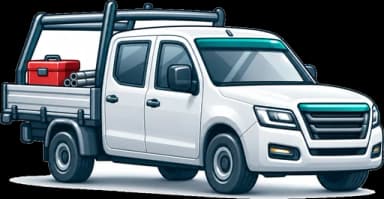
Tools, fittings and materials living in a ute or van, where a single break-in stops work for a week.
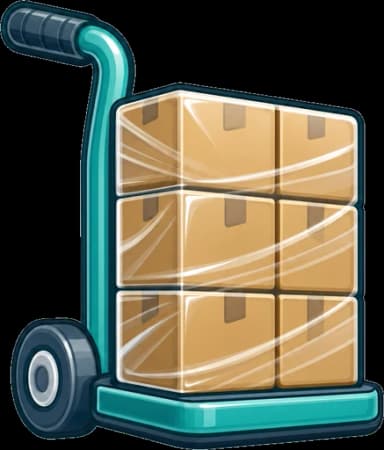
Wholesalers & Distributors
Stock moving between warehouse, branches and customers on your own vehicles day after day.

Owner-Drivers & Subbies
Single-truck operators carrying consignments under contract who wear the risk on every run.
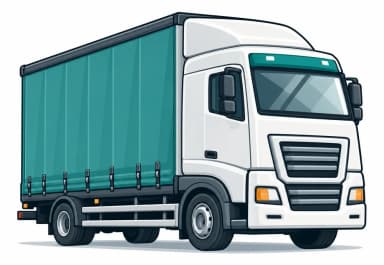
General Freight Carriers
Palletised and part-load work across regional and metro runs, mixed customers, mixed values.
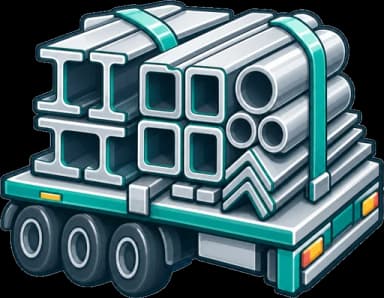
Manufacturers & Fabricators
Finished product going out and raw material coming in, often on your own trucks and trailers.
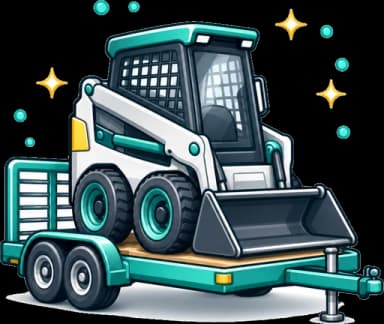
Hire & Equipment Businesses
Machines, scaffolding and gear going out to site and coming back, exposed on every delivery.

Retail & E-Commerce
Stock replenishment and customer deliveries where a lost consignment is a lost sale and a refund.
Growers & Rural Suppliers
Produce, feed and farm inputs moving to market on farm vehicles and contract carriers.
What Goods in Transit Insurance Can Include
The cover is assembled from the lines your movements actually need. These are the ones we place most for Australian businesses moving goods by road.

Accidental Loss or Damage
Physical damage to the goods from a collision, rollover, load shift or a fall during the journey.

Theft From the Vehicle
Stock and tools taken from a locked ute, van or trailer, the single most common transit claim we see.

Loading & Unloading
The window either end of the trip, on the tailgate, the forklift and the ramp, where a lot of goods are damaged.

Fire, Flood & Weather
Loss caused by fire, storm, water ingress and flood while the goods are on the vehicle or held in transit.

Storage in Transit
Short holds at a depot, yard or overnight stop treated as part of the journey rather than a gap in it.

Single-Transit & Ad-Hoc
One-off cover for a high-value or unusual movement that sits outside your normal annual limits.

Tools & Equipment in Transit
Trade tools, test gear and portable plant travelling in the vehicle, on site and between jobs.

Carriers Liability Alongside
Where you carry other people's goods, liability cover placed to sit flush against your transit policy.
Limits can be set per vehicle, per consignment or per journey. Which of those suits you depends on how your worst single load compares with your average one.
Where Goods in Transit Claims Fall Over
Every one of these is a real reason a transit claim gets reduced or declined. None of them is obvious until it happens.
A Limit Set Per Vehicle, Not Per Load
A policy written around a typical load will not stretch to the one week you carry three times the value. The limit has to be built around your worst realistic consignment, not your average one.
Unattended Vehicle Conditions
Most transit policies carry conditions about locks, alarms, immobilisers and where the vehicle is left overnight. Park in the wrong place with the wrong security and a genuine theft claim can be declined outright.
Goods Excluded by Type
Money, documents, livestock, tobacco, alcohol, refrigerated freight and high-value electronics are commonly excluded or sub-limited. If you carry any of them, that has to be named and priced, not assumed.
The Loading and Unloading Gap
Some wordings only respond once the goods are in transit. A pallet dropped on the ramp before the doors close falls outside that definition, and the ramp is where a lot of damage happens.
Relying on the Customer's Cover
If you are carrying goods and you are legally liable for them, the owner's insurer can still come after you. Their policy protects them, not you.
Restraint That Does Not Meet the Standard
Load restraint is both a compliance obligation and an insurance one. Damage traced back to an inadequately restrained load is an argument you do not want to be having after the event.

Work Out What Your Worst Load Is Actually Worth
Most under-insurance we find on transit policies comes from a limit that was set once, years ago, against a typical load. The claim that hurts is never the typical one.
Tell us the biggest consignment you realistically carry, and we will tell you whether the policy you have would cover it.
Paul Cohalan
Founding Principal Broker
Call Paul on 1300 78 78 25Why Businesses Use a Specialist Broker for Transit Cover
Transit policies are decided by their conditions, not their headline limit. A specialist broker reads those conditions against the way you actually move goods.

We Fight Your Claims
When an insurer leans on a security condition or a valuation to cut a transit claim, we push back with the detail and hold them to it, the same way we pulled a fleet total loss from a 48 per cent offer up to the full insured value.

We Size the Limit Properly
We work from your biggest realistic load and your busiest week, not a round number, so the limit is there when the expensive run is the one that goes wrong.

We Read the Conditions
Unattended vehicle clauses, excluded goods, restraint requirements and the transit definition itself. These decide whether the policy pays.
We Understand Transport
We have managed fleets and moved freight ourselves. That is why the specialist transport insurers know we know our stuff.
Placed With Australia's Specialist Transport Insurers
We place goods in transit business with the underwriters who actually price road freight risk, under a brokerage licence backed by Steadfast.
How We Arrange Your Goods in Transit Cover
Four steps, built around what you move and how you move it, before anyone talks about price.
What Moves, and Whose
The goods, the values, who owns them and whether you are moving your own stock, carrying for customers, or both.
Size the Worst Load
We work out your maximum realistic consignment and where the vehicle sits overnight, because those two set the limit and the conditions.
Place It and Read It Back
We put the risk to the specialist transport market and walk you through the conditions that decide whether it pays.
Keep It Current
Values move, routes change and new goods get added. We keep the limit and the wording in step with the operation.
What Shapes Your Goods in Transit Premium
There is no flat rate for transit cover. The premium follows what you carry, what it is worth and how exposed it is between pick-up and delivery.
We do not quote a number off a website. Tell us what moves and what it is worth, and we will build the risk properly and put it to the market.
- The type of goods and the maximum value on one vehicle
- Whether you are covering your own goods, others', or both
- Vehicles used, and whether goods are left in them overnight
- Routes, distances and how often you are on the road
- Security: locks, alarms, immobilisers and where you park
- Load restraint and how the goods are packed and secured
- Claims history, particularly theft claims
- Any excluded or high-risk goods you need specifically named
Related Cover
Transport operators rarely need just one policy. These are the covers most often arranged alongside it.
Talk Transit Cover With a Specialist Broker
No call centre, no generic form. A broker who will check the conditions before telling you what the policy would pay.
Get a Goods in Transit QuoteGet the Load Covered, Not Just the Vehicle
Tell us what you move, what it is worth on its biggest day and where the vehicle sits overnight.
We will tell you what your current policy would actually pay, and arrange cover that closes the gap if it would not.
Goods in Transit Insurance FAQs
Goods in transit insurance covers physical loss of or damage to goods while they are being carried on a road vehicle, from pick-up through to delivery. It applies to your own stock, tools and equipment moving between sites, and, alongside carriers liability, to freight you carry on someone else's behalf. It is a separate cover from the motor policy on the vehicle itself.
In everyday use they mean the same thing: cover for the goods on the vehicle while they are being carried. Transit insurance is just the shorter name for it. It is worth separating from marine cargo insurance, which follows consignments moving internationally by sea and air, and from carriers cargo liability, which covers your legal responsibility for someone else's freight rather than the value of the goods themselves. For freight moving by road inside Australia, this is the page you want.
If your business moves goods of any real value on a vehicle, and losing a load would cost you money you would rather not find, then yes. It is not limited to transport companies. Trades carrying tools, wholesalers moving stock and manufacturers delivering finished product all carry the same exposure.
No. Comprehensive motor insurance covers the vehicle and, depending on the policy, damage the vehicle causes to others. It does not pay for the goods on board. Cover for the load is a separate line, which is exactly the gap goods in transit insurance fills.
Goods in transit covers the value of the goods themselves, for goods you own or have agreed to insure. Carriers liability covers your legal responsibility when you are carrying someone else's goods and are held liable for loss or damage in your care. If you move your own stock and also carry for customers, you generally need both.
Usually, but the conditions matter more here than anywhere else in the policy. Most transit policies set requirements about locks, alarms, immobilisers and where a loaded vehicle can be left overnight. Meeting those conditions is what turns a theft into a paid claim, so we go through them with you before the policy is bound.
They can be. Trade tools, test equipment and portable plant travelling in a ute or van are commonly insured under a transit or tools cover, and the two are often written together. Values and item limits need to be set against what you actually carry, not a round figure.
Good policies do, but not all wordings define transit the same way. Some only respond once the vehicle is moving, which leaves the ramp and the tailgate exposed. We check that definition specifically, because a meaningful share of damage happens at either end of the trip.
Money, documents, livestock, tobacco, alcohol, refrigerated and temperature-sensitive freight, and high-value electronics are commonly excluded or heavily sub-limited. If you carry any of them, they need to be declared and priced rather than assumed to be in.
There is no flat rate. Premium depends on the goods, the maximum value on one vehicle, the vehicles used, where they are parked overnight, your routes, your security and your claims history. We build the risk profile and put it to the market rather than quoting a number off a website.
Yes. We arrange transit cover for metropolitan, regional and interstate movements across Australia, including the longer runs and overnight stops that come with them. Where the vehicle sits overnight on a long run is a specific thing we work through with you.
They overlap but they are not the same product. Goods in transit is the domestic road cover for goods moving inside Australia. Marine cargo cover follows goods internationally by sea and air, and across modes, which is what importers, exporters and freight forwarders need. We place both and will tell you which one your movements actually call for.
Compliance Disclaimer: This information is general in nature and does not take into account your objectives, financial situation or needs. Please consider the relevant Product Disclosure Statement (PDS) before making any decision.