Dry Hire Insurance
Cover for the machines you hire out without an operator, from the moment they leave your yard to the moment they come back.
Damage, theft, liability and the hire income that stops when a machine is off the job, aligned to what your hire agreement actually puts on you.
Arranged by brokers who read hire contracts for a living and know where the responsibility really sits when a hired machine is damaged.
The Machine Leaves Your Control, the Exposure Does Not
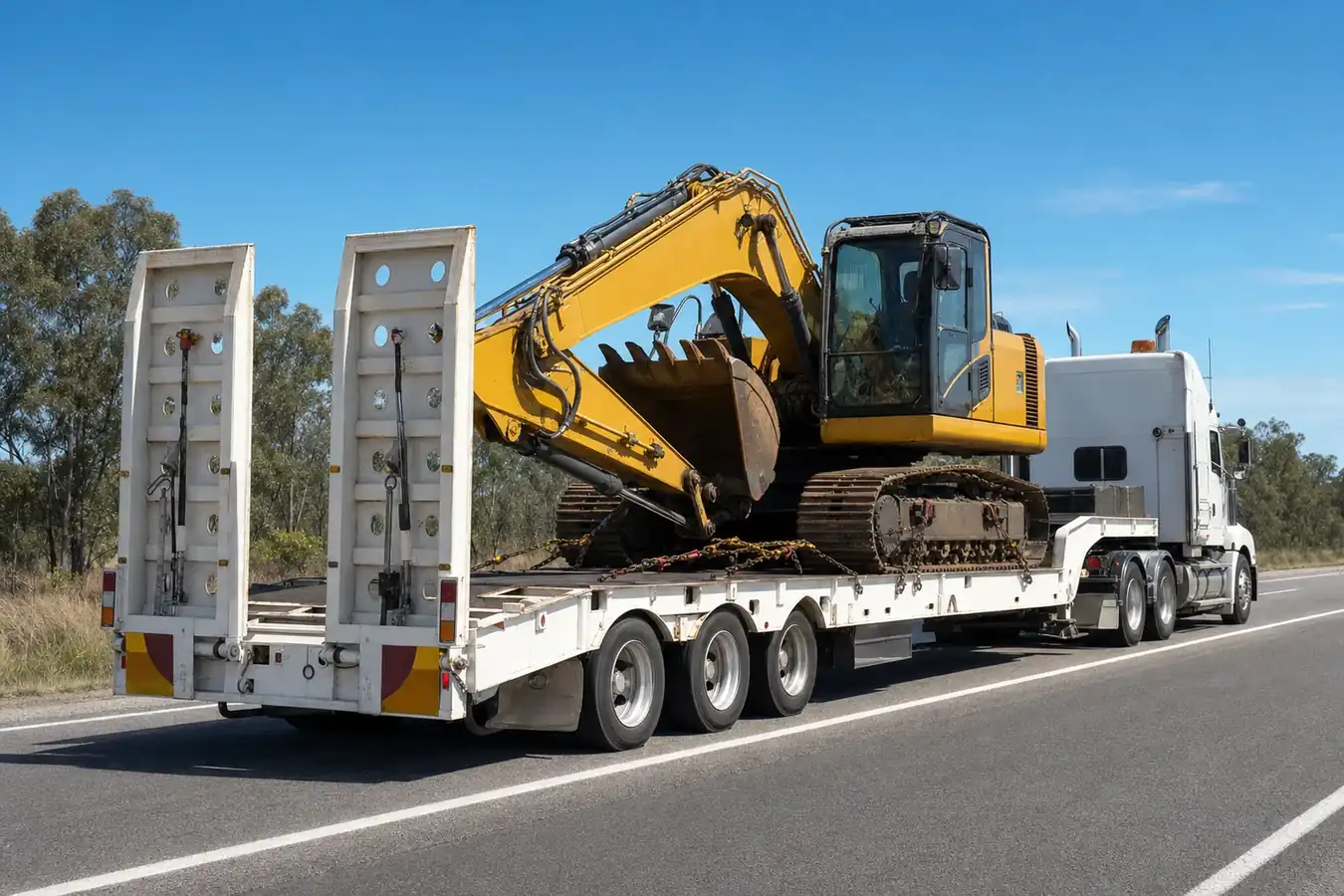
Your machine goes out without your operator, onto a site you have never seen, under conditions you cannot supervise.
Your name is still on the asset. If it is damaged, stolen or rolls into something expensive, the argument about who pays lands back with you.
We place cover that follows the machine off your yard and holds up against what the hire agreement says, not what everyone assumed it said.
Paul Cohalan leads the firm, and that same standard runs through every specialist transport broker on the team.
What Dry Hire Insurance Covers
Dry hire cover is assembled from the lines that respond once a machine is working under someone else's control. These are the ones we place most.
Damage While on Hire
Accidental damage to your machine while it is being operated by the hirer, on their site and outside your supervision.
Theft From the Hirer's Site
Theft and attempted theft while the machine is parked up on a site whose security is not yours to control.
Continuing Hire Charges
The hire revenue that stops the day a machine is damaged. Cover that helps absorb the gap while it is being repaired.
Liability From Hired-Out Plant
Injury or property damage caused by your machine while the hirer is operating it, and the argument about whose liability that is.
Delivery, Collection and Transit
Damage while the machine is floated out to the hirer and floated back. Both legs, not just the trip you invoiced for.
Plant You Hire In
The other direction. When you hire a machine in, the agreement usually makes you liable for it, and a damage waiver is not insurance.
We also place cover for trailer and short term hire, attachments that go out with a machine, and one-off cover for a single high-value unit going out on a long hire.
Dry Hire vs Wet Hire, and Why the Cover Changes
The difference is one thing: whether your operator goes with the machine. That single fact moves the risk, and the cover has to move with it.
Dry Hire
The machine goes, your operator does not
- The hirer operates it, so you cannot control how it is used
- The hire agreement usually makes the hirer liable for damage
- Whether they can actually pay is a separate question
Wet Hire
The machine and your operator go together
- Your operator runs it, so the machine stays under your control
- Damage and liability sit with your own plant and liability policy
- There is no separate wet hire product to buy
People search for wet hire insurance as though it is a product. It is not. Under wet hire the exposure stays with you, so the work is checking your existing plant and liability cover is wide enough for the jobs your operators are being sent to.
Insurance for Plant Hire Businesses
If hiring plant out is the business rather than something you do with idle machines, the program has to cover the whole operation, not just the units on hire this week.
The Whole Fleet, on Hire or in the Yard
Machines earn on hire and sit idle between jobs, and both are exposures. Cover has to respond in the yard, in transit and on the hirer's site.
Values That Keep Up With the Fleet
Hire fleets turn over. Machines are bought, sold and traded through the year, and a schedule set at last renewal stops matching reality fast.
Attachments Going Out Separately
Buckets, hammers, augers and grabs go out on their own hire docket and get lost or damaged on their own. They need to be on the schedule.
Liability the Hirer Brings With Them
A hirer with thin liability cover of their own becomes your problem the moment your machine is involved in something serious.
Trailer and Short Term Hire
Trailers, floats and short term hire units run the same exposure on a shorter clock, and are the easiest thing to leave off a policy.
The Contracts You Hire Under
Every hire agreement allocates risk differently. The cover has to match the contracts you actually use, not a generic template.
Machines That Go Out on Dry Hire
If it can be dropped on a site and run by someone else, it can go out dry. These are the machines we most often cover on hire, along with the attachments that travel with them.


We arrange the cover, not the machines. If you are looking to hire rather than insure, Plant Hire Perth's dry hire fleet covers most of this list across the Perth metro.
Where Dry Hire Arrangements Go Wrong
These are the assumptions we see turn a hired-out machine into an uninsured loss and an argument that runs for months.
Assuming the Hirer Is Insured
The hire agreement making the hirer liable is not the same as the hirer being insured. If they have no cover and no money, liability on paper is worth nothing.
Treating a Damage Waiver as Insurance
A damage waiver caps what the hirer pays, it does not insure the machine. Read what it actually excludes before treating it as cover.
Cover That Stops at the Gate
Plenty of plant policies quietly assume the machine is under the owner's control. Once it is on hire, that assumption can be the exclusion that declines the claim.
Forgetting the Return Leg
Machines are floated out and floated back. Operators insure the delivery and forget the collection, which is the trip nobody is watching.
No Cover for the Income That Stops
A damaged machine is not just a repair bill, it is a hire rate that stops earning. Without continuing hire cover the loss keeps compounding.
Hiring In Without Telling Anyone
Machines hired in for a job are often never declared. When one is damaged, the hire company's invoice arrives and there is nothing behind it.

Get Your Hire Cover Right With Paul
Owners assume the hire agreement has moved the risk. It has moved the liability, which is not the same thing, and it is worth nothing if the hirer cannot pay. The cover has to work whether or not they can.
Paul Cohalan, Founding Principal Broker
Call Paul on 1300 78 78 25Why Hire Operators Use a Specialist Broker
Dry hire cover turns on the wording and the contract, not the sticker price. A specialist broker makes sure the policy responds when the machine is somewhere you are not.

We Fight Your Claims
When an insurer disputes a machine value or argues the hire agreement shifts the loss, we push back with the detail, the same way we pulled a fleet total loss from a 48 per cent offer up to the full insured value.

We Read the Hire Agreements
Every hire contract allocates risk differently. We read yours and make sure the cover matches what it actually puts on you, not what you were told it says.

We Keep the Schedule Current
Hire fleets move. We keep values and attachments current as machines come and go, so the schedule is not a snapshot of last year.

We Understand the Work
We have worked civil, mining and construction operations. That is why the specialist plant insurers know we understand how hired machines actually get damaged.
Backed by Australia's Leading Plant & Equipment Insurers
We place hire and plant business with the specialist underwriters that actually understand heavy machinery and civil risk, under a brokerage licence backed by Steadfast.
How We Arrange Your Dry Hire Cover
A straightforward process built around the machines you hire out and the contracts you hire them out under, before we talk price.
Understand the Fleet
The machines, the attachments and the values, and which of them go out on hire rather than staying on your own jobs.
Read the Hire Agreements
What your contracts put on the hirer, what they leave with you, and where the damage waiver stops being cover.
Arrange the Right Cover
Damage, theft, transit, liability, continuing hire and hired-in plant, placed with insurers who write hire risk properly.
Renewals, Claims & Ongoing
We keep the schedule current as the fleet turns over, fight the claims and adjust as the hire book changes.
What Dry Hire Insurance Costs
There is no flat rate for dry hire cover. The premium reflects the machines, who they go out to and what the hire agreement puts on you, and a broker who understands that can present your risk in the best light.
We do not quote a number off a website. We build your hire risk profile properly and put it to the market, request a custom quote and we will work it through with you.
- The machines you hire out and their declared values
- Attachments and accessories that go out with them
- How long machines typically go out for, and to whom
- What your hire agreement puts on the hirer
- Delivery and collection, and who floats the machines
- Claims history, security and where machines are kept between hires
- Whether you also hire plant in, and how often
Related Cover
Transport operators rarely need just one policy. These are the covers most often arranged alongside it.
Talk Hire Cover With a Specialist Broker
No call centre, no generic form. A broker who will read the hire agreement before telling you what you are covered for.
Get a Dry Hire Insurance Quote
Get Your Dry Hire Cover Sorted Properly
Whether you hire out one machine occasionally or run a hire fleet, the right cover starts with a broker who has read the agreement you hire under.
Tell us what goes out, who it goes out to and what the contract says, and we will build cover that actually responds.
Dry Hire Insurance FAQs
Dry hire insurance covers plant and equipment that is hired out without an operator. It responds to damage, theft and liability while the machine is being run by the hirer on their own site, and can also cover the hire income that stops while a damaged machine is off the job.
Dry hire means the machine goes out on its own and the hirer operates it. Wet hire means your operator goes with the machine, so it stays under your control. Under dry hire the machine is being run by someone you cannot supervise, which is why it needs cover written for that exposure.
There is no separate wet hire insurance product. Under wet hire your operator is running the machine, so damage and liability sit under your own plant and liability policy. The work is making sure those limits are wide enough for the jobs your operators are sent to, rather than buying a different policy.
Usually the agreement makes them liable, but liability and recovery are different things. If the hirer has no insurance and no money, a clause saying they are responsible does not get your machine repaired. Dry hire cover means you are not relying on the hirer's balance sheet.
No. A damage waiver caps what the hirer pays if the machine is damaged, it does not insure the machine and it usually carries a list of exclusions. Treating a waiver as cover is one of the more common and expensive assumptions in hire.
Yes, in most cases. When you hire a machine in you are generally responsible for it while it is in your care, so hired-in plant cover protects you for damage to it and for continuing hire charges while it is being repaired.
It can, and it should cover both legs. Machines are damaged being floated out to a hirer and floated back again, and the return trip is the one most often left out.
Yes. We arrange programs for operators whose business is hiring plant out, covering the fleet on hire, in transit and sitting in the yard between jobs, plus attachments that go out on their own docket.
Yes. Trailers, floats and short term hire units carry the same exposure on a shorter clock, and we place cover for them alongside the plant.
There is no flat rate. The premium depends on the machines and their values, how long they go out for and to whom, what the hire agreement puts on the hirer, transport, claims history and security. We build the risk profile properly and put it to the market rather than quoting a number off a website.
We place hire and plant business with Australia's specialist heavy machinery and transport insurers, including NTI, Global Transport (Allianz), HMIA, Zurich, QBE and UAA, under a brokerage licence backed by Steadfast.
Compliance Disclaimer: This information is general in nature and does not take into account your objectives, financial situation or needs. Please consider the relevant Product Disclosure Statement (PDS) before making any decision.