
Truck Insurance Melbourne
Cover for operators working the Melbourne freight network, the port, the ring road and the interstate legs out of them.
The TAC charge inside your rego covers injury and nothing else. The truck, the trailer and the freight are a separate policy and a separate conversation.
Metro distribution, container cartage and linehaul each rate differently, so the schedule follows the work you actually do.
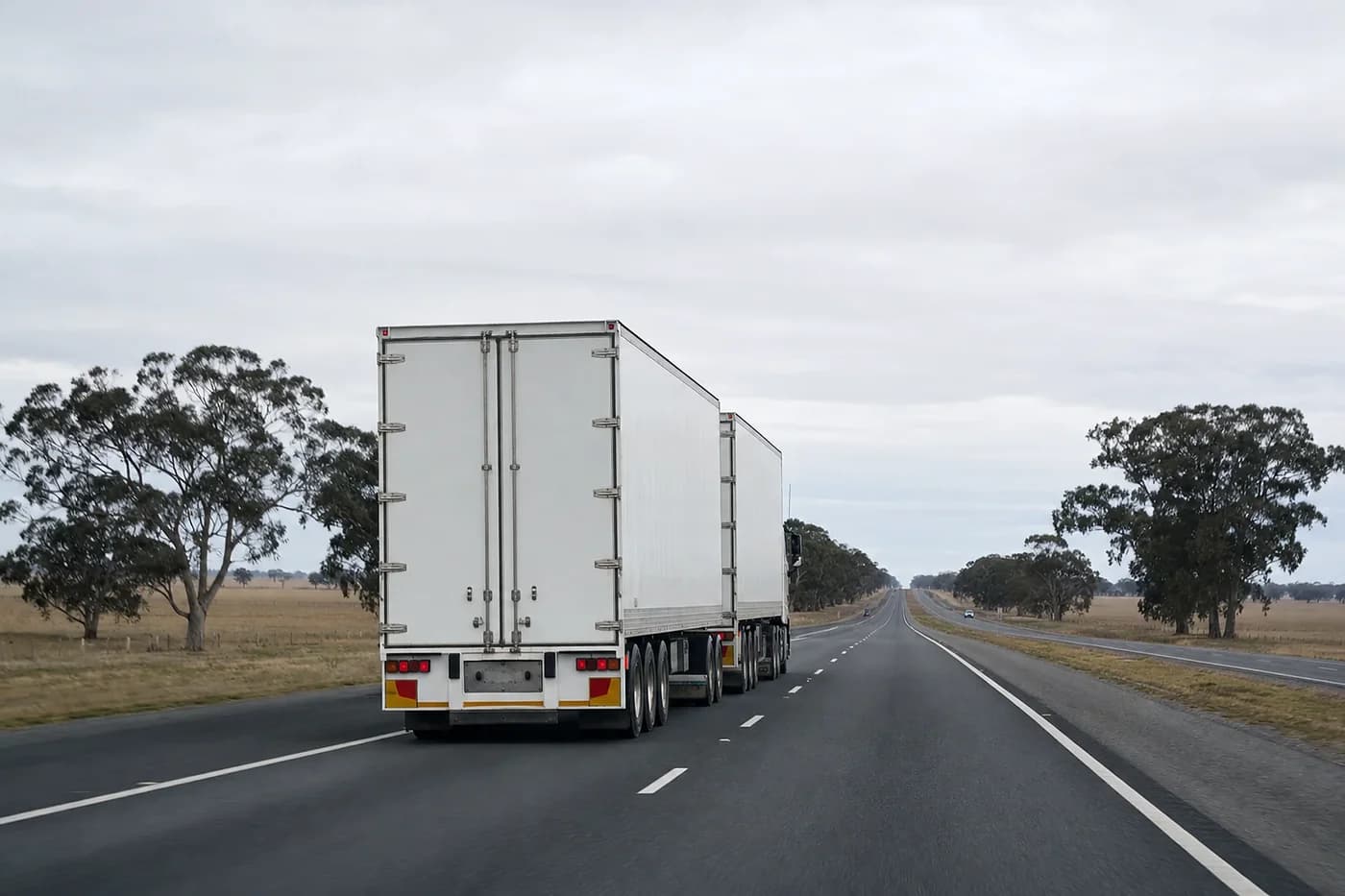
Cover for the Country's Largest Container Task
The Port of Melbourne moves more containers than any other port in the country, through a network packed into a small area, which puts more trucks, more property and more contracts inside every claim.
We are a specialist transport broker, so the policy is written against your run rather than an average drawn from every truck on the network.
One vehicle or a full fleet, the sequence is the same: map the exposure, take it to the insurers who want that class, then say plainly where the cover ends.
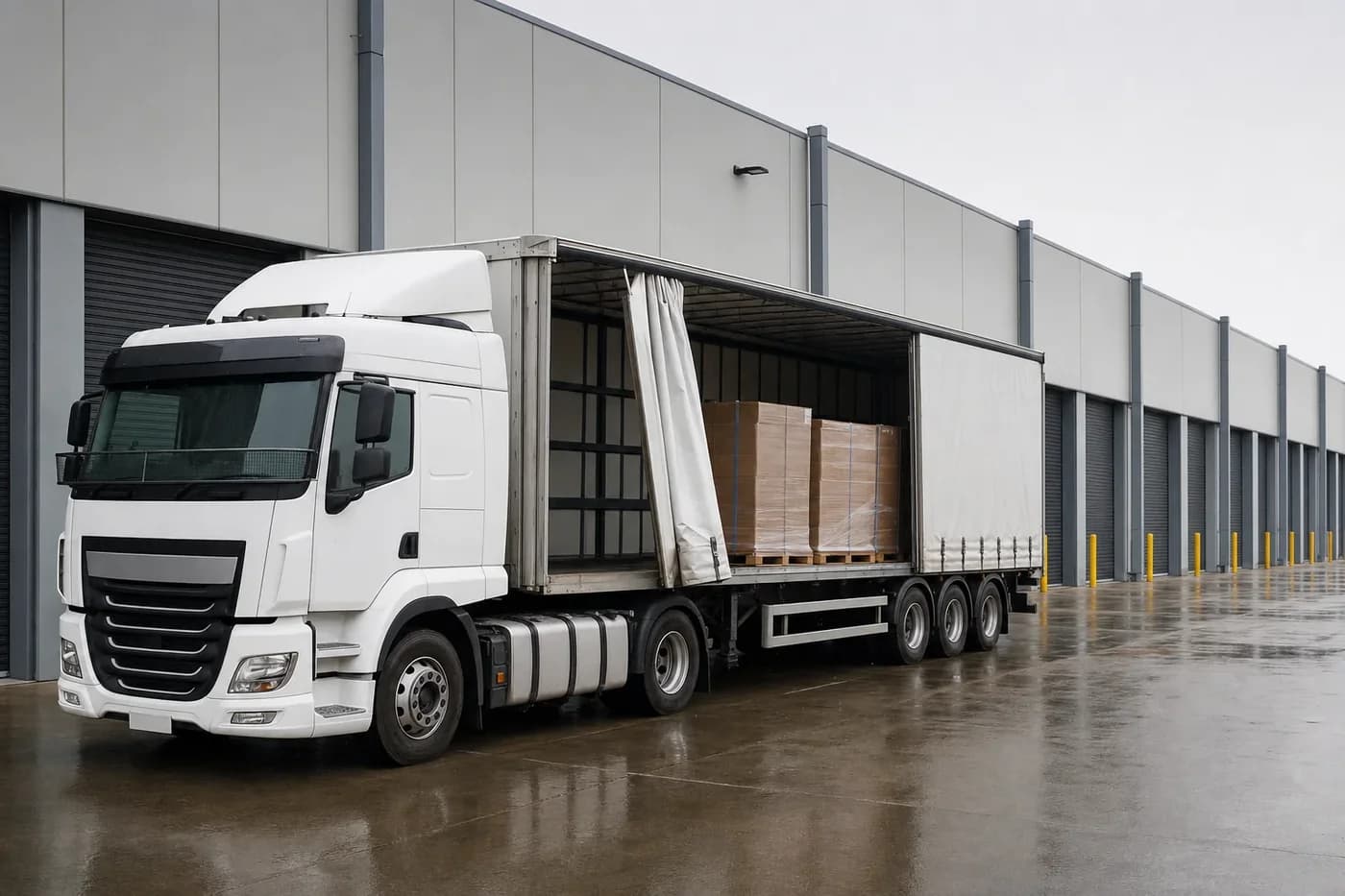
What the TAC Charge Covers, and What It Leaves to You
Victoria runs the most closed compulsory scheme in the country. There is no insurer to choose and no Green Slip to buy, which makes the gap easier to overlook than anywhere else.
The TAC Charge Is Injury Cover Inside Your Registration
Part of every Victorian registration fee is the Transport Accident Charge, which funds the TAC scheme. It pays for people injured in a transport accident. It pays nothing toward your truck, your trailer, your load or the property you damage.
You Get No Choice of Insurer, So There Is No Prompt to Compare
In NSW you buy a Green Slip and in Queensland you nominate an insurer. In Victoria the TAC is the scheme and there is no decision to make. Nothing in the process ever asks you whether the vehicle itself is insured.
Victoria Sits Under the Heavy Vehicle National Law
The NHVR administers fatigue, mass, dimension and access here. Chain of responsibility reaches consignors and schedulers as well as drivers, so a decision made in someone else's office can arrive as your liability claim.
High Productivity Access Comes With Conditions
Larger and heavier combinations run on approved networks under conditions covering routes, hours and vehicle standards. Operating outside those conditions is an access breach, and an access breach is exactly what an insurer examines after an incident.
The Victorian Work We Write Cover For
Victoria packs a national-scale freight task into a small footprint. The operations below are the ones Victorian clients bring us most.
Port of Melbourne Container Cartage
Skels and side loaders turning boxes between the port and the western and northern distribution belt, where the container is usually worth more than the trailer.
Read about cargo insuranceMetro Distribution and Retail Delivery
Rigids and curtainsiders working dock windows and suburban streets, where the exposure is other people's property and other people's schedules.
Read about transport and logistics insuranceHume and Western Highway Linehaul
Interstate legs to Sydney, Adelaide and beyond, where high kilometres and enforced fatigue rules put pressure on both the fleet and the contract.
Read about motor fleet insuranceGrowth Corridor Civil and Spoil
Tippers, floats and truck-mounted plant feeding the outer suburban and infrastructure projects around the ring road.
Read about earthmoving and civil insuranceGippsland and Western District Cartage
Dairy, grain and livestock moving on regional roads, with strong seasonal peaks and equipment idle either side of them.
Read about agriculture and livestock insuranceOversize Moves Through a Tight Network
Machinery and modules on permit through a dense road network, where escorts, clearances and timing windows are all part of the risk.
Read about heavy haulage insuranceCover We Place for Melbourne and Victorian Operators
Two or three of these usually sit together on a Victorian operation. Placed as one program, there is no seam for a claim to fall into.






Our only office is in Perth. Victorian business is placed nationally, with the same insurers and the same specialist brokers.
The Vehicles We See Most in VIC
Every one of these has its own cover page, written around what that vehicle actually does and how it gets damaged.


The Risks That Come With Running in Victoria
Density is the Victorian problem. Everything is closer together, which means more property, more traffic and more contracts inside the average claim.
Property Damage in a Dense Network
A metro incident here rarely involves only vehicles. Buildings, infrastructure, parked cars and services sit within reach, and the third party property limit is what answers for all of it.
The Box Is Worth More Than the Trailer
Container cartage off the Port of Melbourne routinely carries freight worth several prime movers. Cargo and carrier's liability limits set for general work do not hold up on that task.
Contractual Risk Transfer From Large Customers
Victorian distribution contracts push responsibility for goods, delay and consequential loss onto the carrier as a matter of course. Signing one unchecked creates an exposure no policy was asked to cover.
Dock Window Pressure and Fatigue
Tight delivery windows across a congested network push schedules, and the chain of responsibility obligation for that pressure does not stop at the driver's cab.
Theft From Industrial Estates
Trailers, containers and complete units go from yards across the west and north. Where a vehicle sits between shifts is a genuine rating factor, and it is worth describing accurately.
Repair Capacity and Time Off the Road
Heavy vehicle repair slots in Melbourne book out, and a truck waiting for a bay earns nothing. The downtime limit needs to reflect the real queue rather than an optimistic estimate.
Melbourne Estates and What the Yard Is Worth to an Underwriter
Melbourne's freight estates are dense, busy and well known to the people who steal from them. Overnight location moves the premium more than most operators expect.
Truganina, Laverton North and Derrimut
The western distribution belt and the natural base for port work. Big estates, long fence lines, and a lot of equipment sitting still after the last run.
Somerton, Campbellfield and Epping
The northern corridor onto the Hume. Heavy vehicle servicing and linehaul yards, with a lot of units parked up between legs.
Dandenong South and Hallam
The south east manufacturing and distribution belt. Mixed tenancy estates where your yard security is partly somebody else's responsibility.
Kerbside and Home Yards
Owner drivers parking at the house or on an industrial street is common and entirely insurable. It is not the same risk as a fenced hardstand, and it needs saying.
Describe the security you actually have. Gates, lighting, cameras, whether the yard is shared and where the keys live all change the number.
Short Distances Are Why Victorian Routes Go Undeclared
Victoria is small enough that operators assume distance is not an issue, which is exactly why the interstate leg goes undeclared here more than anywhere.
A Metro Radius and a Hume Run Are Different Policies
Sydney and Adelaide legs out of Melbourne are the most commonly undeclared exposure we see on a Victorian fleet. Insurers price them without fuss and dispute them without mercy.
Port Access Sits in the Conditions
Terminal access, licensing and the yards you are permitted to enter can be policy conditions rather than schedule items. Worth reading before the first slot booking.
High Productivity Networks Are Route-Specific
Larger combinations run on approved networks under conditions covering routes, hours and standards. Operating off network is an access breach, and an access breach is a claims question.
Regional Victoria Is Not the Metro Rate
Gippsland, the Western District and the Murray corridor carry different road, wildlife and recovery exposure. Declaring them costs little.
Where a Victorian Claim Gets Argued
These are the arguments insurers run in Victoria. Every one is easier to deal with before the policy is bound.
Believing the TAC Charge Covered the Vehicle
Because there is no Green Slip to buy and no insurer to choose, nothing in the Victorian process ever prompts the question. The TAC covers people. The truck is entirely separate.
Operating Outside an Approved Network
A high productivity or over-dimension combination on a route it was not approved for is a compliance breach that lands squarely in the claim assessment.
Contractual Risk Transfer From a Large Customer
Victorian distribution contracts routinely push responsibility for goods, delay and consequential loss onto the carrier. Signing one unchecked creates an exposure the policy was never asked to carry.
Chain of Responsibility Above the Driver
Under the HVNL the fatigue and mass obligation reaches schedulers and consignors. A tight dock window set in someone else's office can become your liability claim.

In Victoria the Claim Is Rarely Only About the Truck
Nothing in a Victorian registration ever asks whether your truck is insured. The charge is in the fee, the cover is for people, and the vehicle is entirely your problem.
Paul Cohalan founded the firm and leads the broking team, and that is the standard every specialist here works to.
Paul Cohalan, Founding Principal Broker
Call Paul on 1300 78 78 25How We Arrange Your Victorian Truck Cover
Four steps, a broker instead of a queue, and the same person answering when you need to claim.
We Follow the Risk Transfer
Vehicle list, routes, freight, customers and the contracts behind them. In Victoria the contracts carry more of the risk than most operators expect.
We Go Wider Than One Panel
The risk goes to insurers that actively write transport and heavy vehicle business, not to the one panel a direct insurer can quote.
We Begin With the TAC Charge
Where the cover stops, in plain terms, before anything is signed. With Victorian operators that usually begins with what the TAC charge is not.
We Answer the Phone
You call us rather than a call centre, and we run it from first notification through to settlement.
What Drives a Melbourne Truck Insurance Premium
No honest broker publishes a price for this. A metro rigid and an interstate B-double are different risks, and a single figure would misprice both.
Describe the operation properly up front and the premium follows what you actually do, rather than the cautious assumption an underwriter has to make without the detail.
- Vehicle type, age, value and configuration
- Where the fleet is parked overnight and how the yard is secured
- The metro, regional and interstate split across your runs
- What you carry, what it is worth and who owns it
- Driver experience, ages and licence history
- Claims history over the last five years
- The liability terms in your customer contracts
- The excess structure you are willing to carry
Truck Insurance in Other States
Registration, the compulsory scheme and the freight task all change at the border. These pages are written for the states they name.
Related Cover
Transport operators rarely need just one policy. These are the covers most often arranged alongside it.
Talk VIC Truck Cover With a Specialist Broker
Nothing in your registration will ever ask whether the truck is insured. That is the question we start with.
Speak With a Melbourne Truck Insurance Broker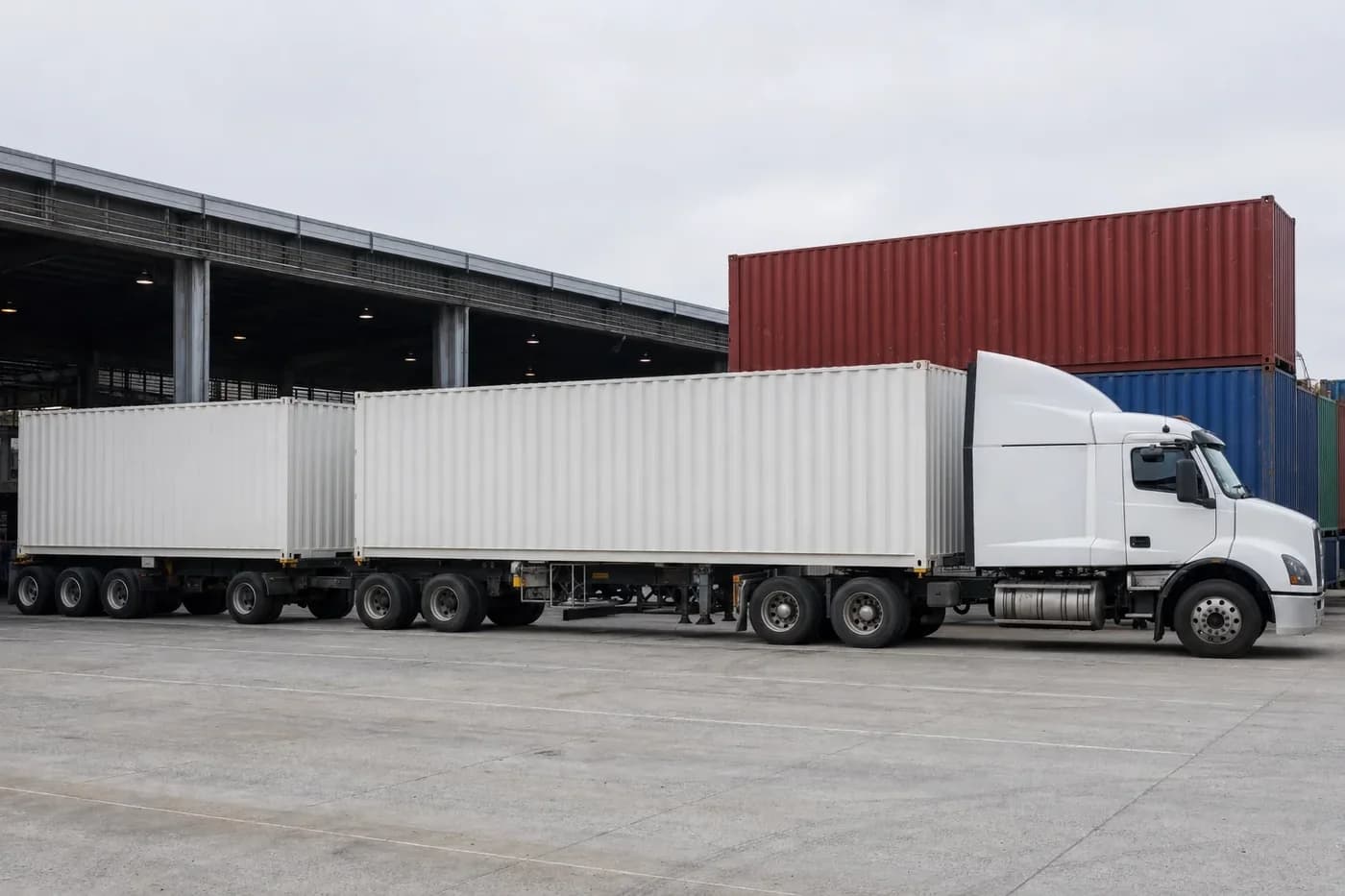
Get a Melbourne Truck Insurance Quote
Tell us what you run, where it runs and who you run it for, and we will bring back cover priced on that.
One broker, from the quote through to the claim.
Suite 20, Level 1, 338 Barker Road, Subiaco WA 6008
Call us1300 78 78 25Melbourne Truck Insurance Questions
Not for the truck. The Transport Accident Charge funds Victoria's injury scheme, so it covers people hurt in a transport accident. It contributes nothing toward repairing your vehicle, replacing your trailer, your freight, or the property you damage.
Because Victoria runs a single scheme. The TAC provides the cover and the charge is built into your registration fee. That is unlike NSW, where you buy a Green Slip from a choice of insurers, and Queensland, where you nominate one and pay it with the rego.
No. We work out of one office, Subiaco in Western Australia, and place business nationally. Victorian clients deal with the same specialist brokers by phone and email, and it makes no difference to which insurers we can reach.
Yes. Skel and side loader work off the Port of Melbourne is common business. Tell us what the boxes are typically worth, because cargo and carrier's liability limits written for general freight are usually too low for containerised work.
Core business. Victoria, New South Wales and Queensland all sit under the Heavy Vehicle National Law, so the compliance picture is consistent along that run, but the fatigue and chain of responsibility exposure is higher and the policy should account for it.
Often, but not always on the terms as written. Send us the contract before you sign if you can. Carrier's liability wordings differ, and some contractual assumptions of risk sit outside anything a policy will respond to.
Yes. A single vehicle gets the same process as a fleet, and we will tell you when you have enough units that a fleet policy would be cheaper than running separate schedules.
Yes. The TAC position and the NHVR rules are identical statewide and the insurers are the same. The rating differs, because a Gippsland dairy run and a port container turn are not the same risk, which is what we work out before quoting.
Compliance Disclaimer: This information is general in nature and does not take into account your objectives, financial situation or needs. Please consider the relevant Product Disclosure Statement (PDS) before making any decision.