Truck Insurance Sydney
Cover for operators working the Sydney basin, the Hume, the Pacific and the runs that feed them, arranged by brokers who do heavy vehicles and nothing else.
Your Green Slip is compulsory and it stops at injury. Everything past that point, the truck, the load, the other party's property, is what we place.
Metro access conditions, container work and long-haul legs all rate differently, so the schedule is built around which of them you actually do.
Cover Built for the NSW Freight Task
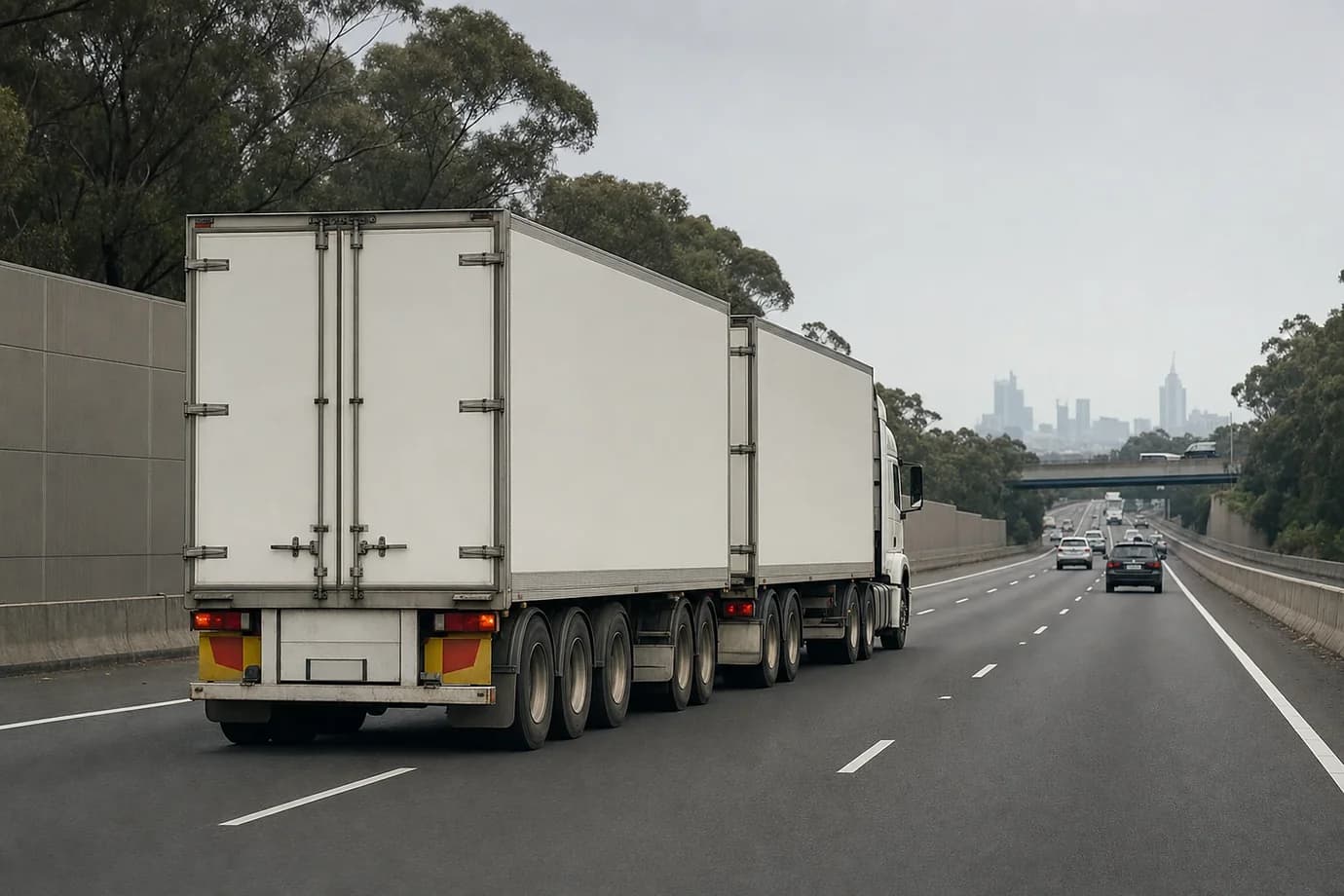
A prime mover working Port Botany and a rigid running the Central West are both NSW trucks, and an insurer prices them nothing alike.
We are a specialist transport broker, so the schedule gets written against the run you do rather than the average of every truck in the state.
One truck or a full fleet, the process is the same: map the exposure, take it to the insurers who want the class, then explain where the cover stops.
What NSW Registration Actually Buys You, and What It Does Not
NSW is the only state where you buy your compulsory cover as a separate product from a choice of insurers. That makes it easy to assume you are covered when you are not.
A Green Slip Is Injury Cover, Nothing More
In NSW you buy Compulsory Third Party as a Green Slip, direct from an approved insurer, before you can register. It pays for people hurt in a crash. It pays nothing toward your truck, your trailer, your load, or the wall you went through.
You Choose the Insurer, So the Gap Is Yours to Notice
Because the Green Slip is bought separately rather than bundled into the rego fee, plenty of operators treat it as their truck insurance. Nobody at the counter tells you otherwise. The first time it comes up is usually a claim.
NSW Runs Under the Heavy Vehicle National Law
Fatigue, mass, dimension and access sit with the NHVR here, and access permits and notices are enforced against your operation. Chain of responsibility obligations reach your customers as well as your drivers, which is a liability question before it is a compliance one.
Sydney Access Is a Rating Factor of Its Own
Curfews, load limits on local roads, tunnel restrictions and the routes around the port change where a truck can legally be and when. A vehicle somewhere it was not permitted is the sort of detail that surfaces after an incident, not before.
The NSW Work We Write Cover For
New South Wales carries the widest spread of freight tasks in the country. The work below is what NSW operators bring us most.
Port Botany and Container Cartage
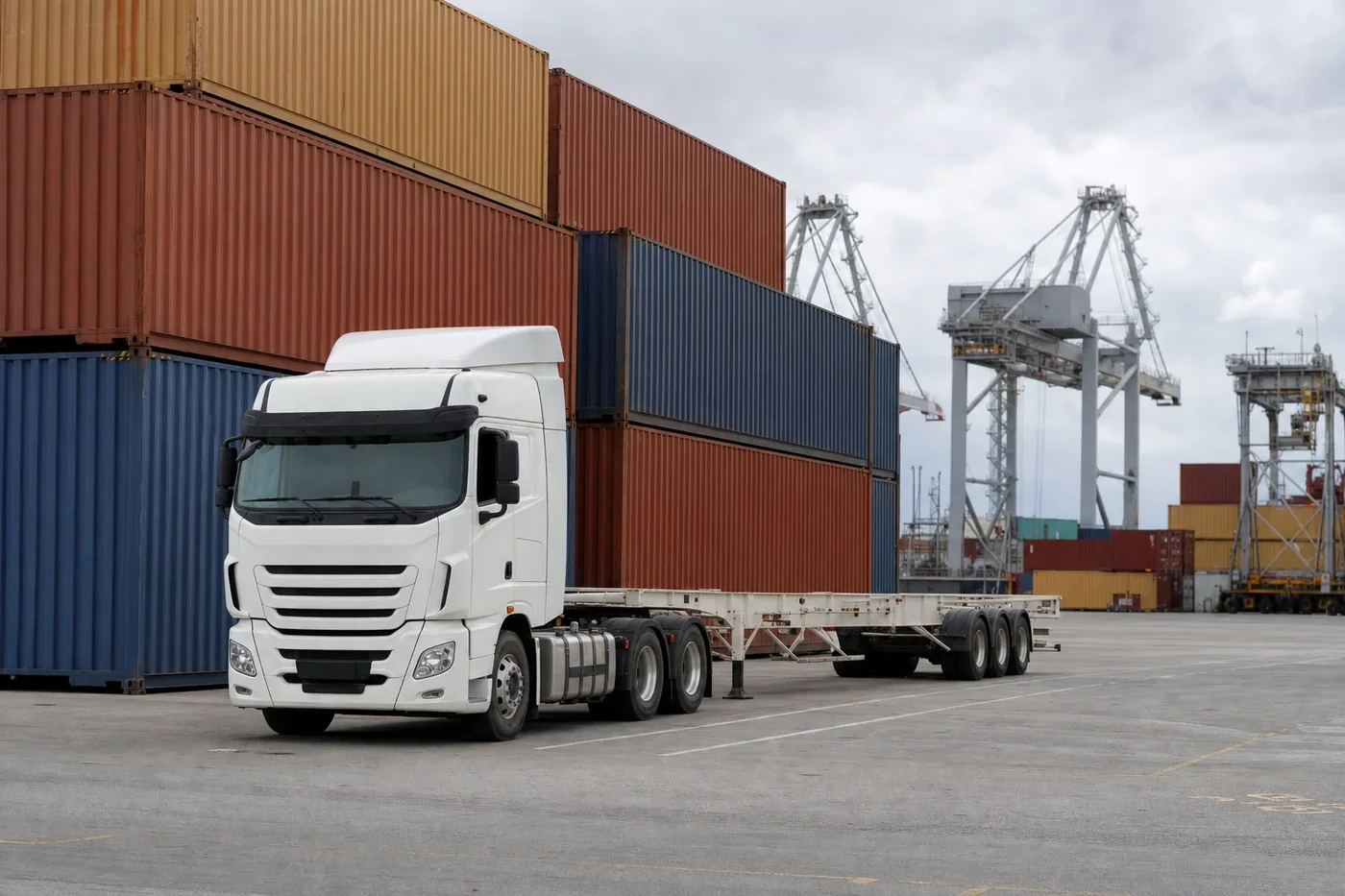
Skels and side loaders turning containers between the terminal and western Sydney warehousing, where the box on the trailer often outvalues the trailer.
Read about cargo insuranceHume and Pacific Long Haul
Linehaul between Sydney, Melbourne and Brisbane, where the kilometres are high, the fatigue rules bite and a single incident can take a unit off the road for weeks.
Read about transport and logistics insuranceSydney Metro Construction and Spoil
Tippers and truck-mounted plant working tight urban sites and moving spoil out through suburban streets, where third party property is the live exposure.
Read about earthmoving and civil insuranceOversize Moves on the Great Western
Machinery and modules heading west over the Blue Mountains on permit, where route conditions and escorts are part of the risk picture.
Read about heavy haulage insuranceRiverina and Central West Cartage
Grain, fertiliser and livestock moving on regional roads with a heavy seasonal peak and long idle stretches on either side of it.
Read about agriculture and livestock insuranceHunter Coal and Civil Support
Support fleets and float work around the Hunter, where site access conditions and a principal's contract can both change what the policy has to say.
Read about mining and resources insuranceCover We Place for Sydney and NSW Operators
Most NSW operators need two or three of these working together. We place them as one program so a claim does not fall into the seam between policies.






We are a national broker with one office, in Perth. NSW business is placed with the same insurers and the same specialists, by phone and email rather than across a desk.
The Vehicles We See Most in NSW
Every one of these has its own cover page, written around what that vehicle actually does and how it gets damaged.


The Risks That Come With Running in NSW
Density is what makes a NSW claim expensive. More traffic, more property, more contracts and more people with an interest in your load.
Third Party Property in a Built-Up Claim
A metro incident rarely stops at two vehicles. Shopfronts, awnings, parked cars, light poles and underground services all sit within reach, and the property line on the policy is what answers for them.
The Load Outvalues the Truck
A container of consumer electronics off Port Botany can be worth several prime movers. Cargo and carrier's liability limits set for a general freight run do not hold when the box is worth that much.
Contractual Liability You Did Not Price
NSW customer contracts routinely push responsibility for goods, delay and consequential loss onto the carrier. Signing one without checking it against your liability wording is how an uninsured exposure gets created on paper.
Theft and Interference in Metro Yards
Trailers, containers and whole prime movers go from industrial estates in the west and south west. Where a unit is parked between shifts is a real rating factor, not a formality on the proposal.
Long Haul Fatigue and Chain of Responsibility
On the Hume and the Pacific the fatigue rules are enforced hard and the obligation reaches past the driver to whoever set the schedule. That is a liability exposure with your name on it.
Downtime in a Tight Repair Market
Sydney panel and mechanical capacity for heavy vehicles books out. The gap between the crash and the truck earning again is often longer than operators plan for, and it needs a limit that reflects that.
Overnight Location Is a Sydney Rating Factor
Overnight location is one of the heaviest factors on a Sydney proposal, because western and south western industrial estates are where trailers and prime movers actually go missing.
Eastern Creek and Erskine Park
The heart of Sydney's distribution belt. Modern estates, good access to the M4 and M7, and enough traffic through them that an unsecured yard is noticed by the wrong people.
Wetherill Park and Smithfield
Older mixed industrial with a lot of small operators. Shared driveways and street parking are common, and both rate worse than a fenced hardstand.
Prestons, Moorebank and Ingleburn
The south west and the intermodal corridor. Container equipment sitting overnight here is a theft and interference exposure, not just a storage question.
Yard-at-Home Operators
Plenty of owner drivers park at the house. That is fine and it is insurable, but it needs declaring, because a truck on a suburban street is a different risk to one behind a gate.
Tell us what the security actually is rather than what it should be. Fencing, lighting, cameras and whether the keys stay in the office all move the number.
Declared Routes, and the Interstate Leg Nobody Mentions
Commercial motor policies carry a geographic limit. In NSW the trap is not distance for its own sake, it is the interstate leg nobody mentioned.
A Sydney Metro Radius Ends Sooner Than You Think
Cover written around the basin can stop well before Newcastle or Wollongong. If the truck runs the coast regularly, the declaration should say so.
The Hume and the Pacific Are Declarations
Melbourne and Brisbane legs are the most common undeclared exposure we see on a Sydney fleet. Insurers price them readily. They argue about them afterwards.
Port Work Has Its Own Conditions
Container terminal access, licensing and the yards you enter can all sit in the policy conditions rather than the schedule. Worth reading before the first booking, not after.
Regional Work Once a Month Is Still Regional Work
An occasional run to Dubbo or the Riverina costs very little to declare and a great deal to explain later.
Where a NSW Claim Gets Argued
These are the arguments insurers actually run in New South Wales. Every one of them is cheaper to deal with at the quote than at the claim.
Assuming the Green Slip Was the Cover
The most common and the most expensive misunderstanding in this state. CTP responds to injury. The truck, the trailer, the freight and the third party property are all somewhere else, or nowhere.
A Height or Access Restriction Ignored
Sydney is full of tunnels, low bridges and load-limited local roads. A vehicle somewhere it was not permitted to be is the kind of detail that surfaces in the assessor's report.
Chain of Responsibility Reaching Back Up the Chain
Under the HVNL the obligation for fatigue and mass sits with schedulers and consignors as well as drivers. A breach upstream can arrive as a liability claim with your name on it.
A Customer Contract That Was Never Read Against the Policy
NSW freight contracts routinely transfer responsibility for goods, delay and consequential loss to the carrier. Signing one without checking the wording creates an exposure no policy was asked to carry.

A Broker Who Reads the Contract, Not Just the Schedule
In New South Wales the argument is almost never about the truck. It is about the load, the contract behind it, and who agreed to carry the risk.
Paul Cohalan founded the firm and leads the broking team, and that is the standard every specialist here works to.
Paul Cohalan, Founding Principal Broker
Call Paul on 1300 78 78 25How We Arrange Your NSW Truck Cover
Four steps. You talk to a broker, not a queue, and the same person is there when you claim.
We Read the Contracts Too
Routes, vehicle list, what you cart, who you cart it for, and the contracts you have signed. That last one matters more in NSW than most operators expect.
We Open the Whole Market
Your risk goes to insurers that actively want heavy vehicle and transport business, rather than the single panel a direct insurer can quote from.
We Start With the Green Slip
Where the cover stops, in plain terms, before you sign. With NSW operators that conversation usually starts with what the Green Slip does not do.
We Take the Claim On
You call us, not a call centre, and we run it from first notification through to settlement.
What Drives a Sydney Truck Insurance Premium
There is no honest published price. A metro tipper and a Hume linehaul prime mover are different risks, and a number that covered both would be wrong for both.
Declare the operation accurately at the start and the premium reflects what you actually do, rather than the worst case an underwriter has to assume in the absence of detail.
- Vehicle type, age, value and configuration
- Where the fleet is garaged overnight and how the yard is secured
- Metro, regional and interstate split across your runs
- What you carry, what it is worth and who owns it
- Driver experience, ages and licence history
- Claims history over the last five years
- The liability terms in your customer contracts
- The excess structure you are willing to carry
Truck Insurance in Other States
Registration, the compulsory scheme and the freight task all change at the border. These pages are written for the states they name.
Related Cover
Transport operators rarely need just one policy. These are the covers most often arranged alongside it.
Talk NSW Truck Cover With a Specialist Broker
Send us the vehicle list and the contracts. We will tell you what is covered, what is not, and what the Green Slip was never going to do.
Speak With a Sydney Truck Insurance Broker
Get a Sydney Truck Insurance Quote
Tell us what you run, where it runs and who you run it for, and we will bring back cover priced on that.
One broker, from the quote through to the claim.
Suite 20, Level 1, 338 Barker Road, Subiaco WA 6008
Call us1300 78 78 25Sydney Truck Insurance Questions
No. A NSW Green Slip is Compulsory Third Party insurance covering injury to people, and it pays nothing toward repairing your truck, replacing your trailer, your load, or the property you damage. That is what a commercial motor or truck policy is for.
No, and we would rather say so. Our office is in Subiaco, Western Australia, and we place business nationally. NSW clients deal with the same specialist brokers by phone and email, and it makes no difference to the insurers we can reach or the claims we run.
Yes. Skel and side loader work out of Port Botany is common business. Tell us the value of the boxes you turn, because cargo and carrier's liability limits set for general freight are usually too low for containerised work.
Interstate linehaul is core. Because NSW, Victoria and Queensland all sit under the Heavy Vehicle National Law, the compliance picture is consistent across that run, but the fatigue and chain of responsibility exposure is higher and the policy should reflect it.
Yes. A single vehicle gets the same process as a fleet. We will also tell you when you have enough units that a fleet policy would work out cheaper than separate schedules.
Often yes, but not always on the terms you have signed. Send us the contract before you sign it if you can. Carrier's liability wordings vary, and some contractual assumptions of risk sit outside what any policy will respond to.
Nobody can quote that honestly without the detail. Premium moves on vehicle value, routes, cargo, driver history, claims and where the truck sleeps. Give us the detail of the run and we will come back with an actual figure.
Yes. The Green Slip position, the NHVR rules and the insurers are the same statewide. The rating changes, because a Riverina grain run and a Botany container turn are not the same risk, and that is exactly what we map before quoting.
Compliance Disclaimer: This information is general in nature and does not take into account your objectives, financial situation or needs. Please consider the relevant Product Disclosure Statement (PDS) before making any decision.