
Light Truck Insurance
A light truck is the first vehicle most operators buy that their car insurer will not touch.
We arrange light truck insurance for rigid trucks from 4.5 tonnes up, covering the cab chassis, the body and the gear bolted to it.
Cover written for metro delivery and trade work, not a stretched car policy.
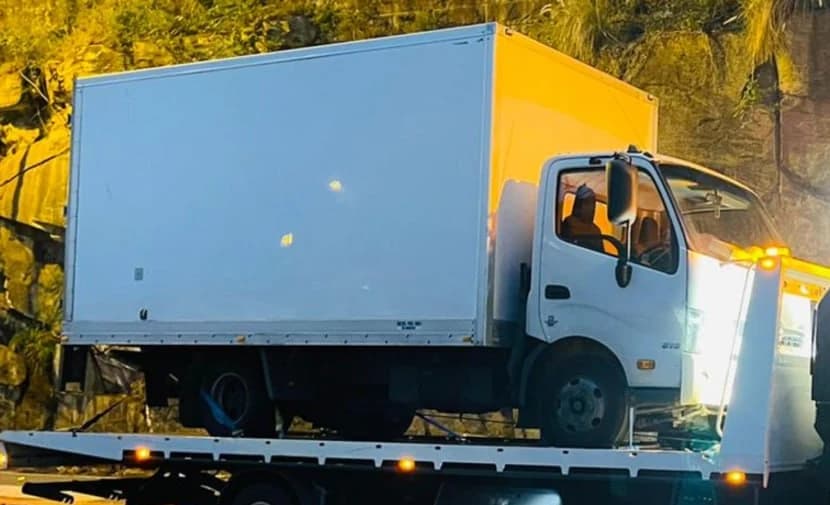
Where the Van Stops and the Truck Starts
A car licence carries you to 4.5 tonnes GVM. Above that line the vehicle needs a light rigid or medium rigid licence, and almost every car and business motor policy stops there with it.
That is the whole reason this page exists. Operators step up from a van to an Isuzu N Series, a Hino 300 or a Fuso Canter, keep the same broker and the same habits, and find out at claim time that the policy behind them was never written for a truck.
Light truck work is its own risk. Multi-drop metro runs, tight driveways, low awnings, kerbside parking, and a tail lift going up and down forty times a day.
We write cover around that pattern, and around the body and fit-out, which on these trucks is often worth as much as the cab chassis under it.
Light Truck Insurance is one of the vehicles we cover under our Commercial Vehicle Insurance.
Working out what to budget? Read Truck Insurance Cost in Australia: The 2026 Price Guide.
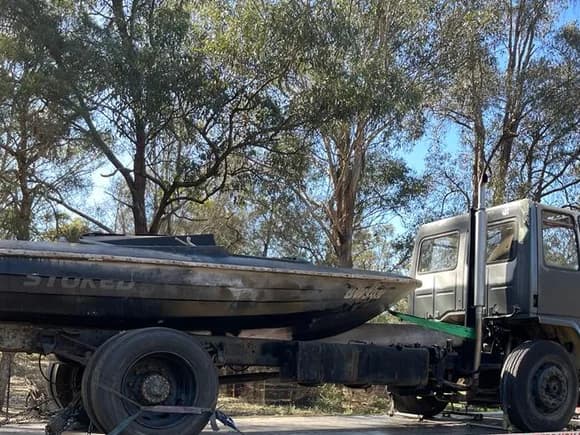
“The cab chassis is half the truck. The body, the tail lift and the fit-out are the half people forget to declare.”
 Paul CohalanFounding Principal Broker, All Trucks Insurance
What Light Truck Insurance Typically Covers
Cover is tailored to how you run, and a light truck policy generally includes the following.
- Accidental damage, collision and rollover to the truck
- The body, fit-out, tail lift and shelving where they are scheduled with the vehicle
- Fire, theft and attempted theft, including from the kerb overnight
- Third-party property damage, including driveways, fences, awnings and car park structures
- Windscreen, glass and mirror damage
- Towing, recovery and salvage after an incident
- Replacement vehicle or downtime options while repairs are arranged
- Cover while loading and unloading, including on the tail lift
Cover varies by insurer and how you operate. We confirm exactly what is and isn’t included before you rely on it.
The Risks a Light Truck Faces
These trucks earn in suburbs and car parks, which is where most of the claims come from.
Height Strikes on a Multi-Drop Run
A pantech body sits well above car height and the driver is often in an unfamiliar street. Awnings, shopping centre car parks, drive-throughs and low branches account for a large share of light truck claims, and the damage is usually to the roof of the body rather than the truck.
The Wrong Licence Class Behind the Wheel
Over 4.5 tonnes GVM the driver needs an LR at minimum, and an MR above eight tonnes. A casual or a mate moving the truck on a car licence is the quiet way a claim gets declined, and it happens more on light trucks than anywhere else.
A Body Worth More Than the Schedule Says
A refrigeration unit, a tail lift, a curtainsider or a fitted trade body can add tens of thousands to the value. Schedules copied off a finance contract often describe the cab chassis alone, and the shortfall only shows up after a fire or a write-off.
Cover Types That Work With Light Truck Insurance
Courier, trade and delivery operators usually sit one or two of these alongside the truck policy.
Get Light Truck Insurance Sorted Properly
Talk to a specialist transport and plant broker who knows what your asset is worth and how it works.
Call 1300 78 78 25Other Vehicles & Equipment We Cover
Most operators run more than one type of asset. These are the ones most often insured alongside it.


Get a Light Truck Insurance Quote
Tell us about your asset and how you use it. We’ll arrange cover that fits and respond within 1 business day.
Call us1300 78 78 25Light Truck Insurance: Frequently Asked Questions
In practice it is a rigid truck over 4.5 tonnes GVM and up to about eight tonnes, which is the light rigid or LR licence class. Medium rigid or MR picks up two-axle rigids above eight tonnes, and most brokers and insurers treat the two together as the light end of the truck market. Anything at or under 4.5 tonnes is still a van or a ute and is written differently, which is why the line matters.
There is no set price, and any figure quoted without seeing the truck is a guess. The premium moves on the value of the cab chassis and the body, the GVM, where and how far the truck runs, what it carries, the driver ages and licence classes, the claims history and the excess you choose. Our truck insurance cost guide walks through each of those factors, and a quote from us is based on your actual vehicle rather than an average.
Usually not. Most private and business motor products are written for vehicles up to 4.5 tonnes GVM, so a light rigid truck falls outside them. Some insurers will let a policy run and then decline at claim time on the vehicle description, which is the worst of both outcomes. Tell us the GVM and we will confirm in writing which product the truck belongs in.
Commercial vehicle insurance is the family the cover sits in. Light truck insurance is how it is written for a rigid truck over 4.5 tonnes, with the body and the fit-out scheduled and the exposures of delivery and trade work priced in. Same product family, different specification, and the specification is what responds at claim time.
It can be, but only if it is scheduled. The truck policy covers what is described in it, so a pantech body, a curtainsider, a tail lift, a refrigeration unit, internal shelving and a fitted trade body each need to be listed with a value. This is the most common gap we find on light trucks, because the schedule is often copied from a finance document that names the cab chassis alone.
No. The truck policy covers the vehicle. Customer goods you are carrying sit under goods in transit or cargo cover, and your own tools and stock in the back sit under a tools and equipment or business property policy. Couriers and tradies almost always need one of those alongside the truck.
Yes, and short metro runs are not the low risk they sound like. Multi-drop work means constant reversing, kerbside parking, unfamiliar driveways and low structures, which is where the majority of light truck claims happen. Tell us the real radius and frequency and we will have it declared correctly rather than guessed.
Yes. Once you run more than a couple of vehicles, motor fleet insurance puts them under one renewal with a shared claims history, which usually reads better to an insurer than a handful of separate policies. It also stops the mixed fleet problem where the van and the truck sit with different insurers and neither wants the claim.
Compliance Disclaimer: This information is general in nature and does not take into account your objectives, financial situation or needs. Please consider the relevant Product Disclosure Statement (PDS) before making any decision.