
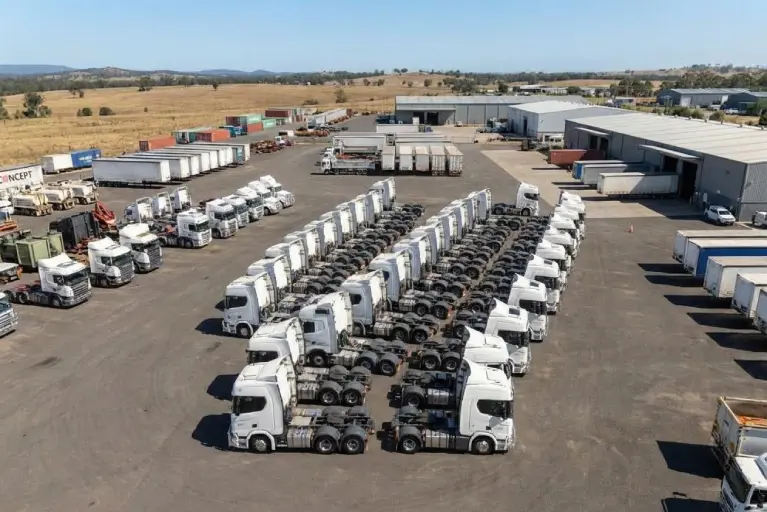
Motor Fleet Insurance for Australian Fleet Operators
Motor fleet insurance for transport businesses, heavy vehicle operators and growing commercial fleets across Australia.
Once you are running twenty or thirty units, the conversation stops being about vehicles and starts being about people, routes, cargo and claims history. More drivers and more wheels on the road change the risk, and they change how an insurer prices you.
All Trucks Insurance is led by a broker who ran a transport business before he wrote policies for them. That is the difference when your fleet has to be explained to an underwriter.


Transport-Focused Advice
For truck, fleet and heavy vehicle operators.

Fleet Risk Support
Asset registers, driver exposure and changing operations.

Claims Coordination
Support when a truck is off the road and freight still has to move.

Australia-Wide
One-truck operators through to schedules of a thousand items.
Motor Fleet or Transport Fleet? They Are Not the Same Thing
Two businesses can both ask for fleet insurance and need completely different policies. One means a car fleet. The other means heavy motor. In a broker's language the words mean specific things, and being put in the wrong one is what leaves an operator underinsured or overpriced.
Motor Fleet
Mostly Light Vehicles and Company Cars
When a broker says motor fleet, or commercial motor, they usually mean light vehicles: utes, vans and cars running under one business.
Some operators call it car fleet insurance, and it is the same arrangement. Insurers commonly treat around sixteen units and above as a fleet.
At that point the schedule can be rated on a unit rate rather than a percentage of each vehicle's value, which is normally where the arrangement starts earning its keep.
Utes and vansCompany carsLight commercialsAbout 16 units upUnit ratingFleet schedule
Transport Fleet
Heavy Motor, and a Different Conversation
Transport fleet is the heavy side, written on what the industry calls heavy motor: prime movers, flat tops, drop decks, tautliners, widening platforms and refrigerated trailers.
Paul's working number is around ten items and up, though he is blunt that there is no clean threshold. A few light vehicles in the mix is completely normal. The ratio just has to stay predominantly transport.
Prime moversFlat topsDrop decksTautlinersWidening platformsReefers
Below Either of Those, You Are Usually on a Package
A one-person operation with a prime mover and a trailer normally sits on a transport package instead: motor and liability written together, available through a number of insurers. It is the same foundation as a fleet, arranged differently. The move up to a fleet policy tends to happen as the schedule grows, not on a fixed date.
The Range Is Wider Than People Expect
- $50k to $700k+
- What a single prime mover can be worth. Five of them is not a small sum insured.
- 1 to 1,000+ items
- All Trucks Insurance writes one-person operations through to schedules running past a thousand items.
- 10 to 40 items
- Where most transport fleets sit. Usually grown over years, or bought as a going concern.

Why the Risk Changes When the Fleet Grows
“When you have got twenty or thirty bits of equipment, the risk is different. Number one, you have got more people employed, more drivers and more wheels on the road. I take my hat off to the transport owners, because daily you have got these big pieces of machinery out there with the public, families, kids. Christmas and peak periods, they worry a lot.”
Paul Cohalan
Founding Principal Broker
Call Paul on 1300 78 78 25What an Insurer Wants to Know Before They Price You
A fleet is not priced off the equipment count. Before anything goes to an underwriter, the job is to understand how the business actually runs.
Most of it is knowable in one conversation, and having it ready is the single biggest thing that separates a fast quote from a slow one.
01
How Long You Have Been Doing It
Time in the industry and time in business are two different questions. Someone can have driven for thirty years and owned the business for three. Whether the fleet was bought or built also matters, and so does your record as a director.
Years in transportYears in businessBought or grownClaims historyDirector recordCredibility
02
Who Is Driving and How You Run It
Driver numbers, licences and experience, how people are onboarded and offboarded, what training runs, who holds chain of responsibility, and what safety systems are genuinely in use rather than filed somewhere.
Driver numbersLicences heldOnboardingTrainingChain of responsibilitySafety systems
03
What You Cart and Where You Run
Local WA work, east-west linehaul and up-north running are different exposures. So is what is on the deck. General freight, refrigerated, livestock, quarry work, scrap metal and dangerous goods all price differently.
WA only or interstateLong haulRefrigeratedLivestockQuarry and tipperDangerous goods
Let's Structure Cover Around How Your Fleet Actually Runs
Talk through your vehicles, contracts and day-to-day operations with a specialist transport broker.
Fleet Operations We Support
From a first prime mover through to mixed schedules running hundreds of items, these are the operations the team writes every week.
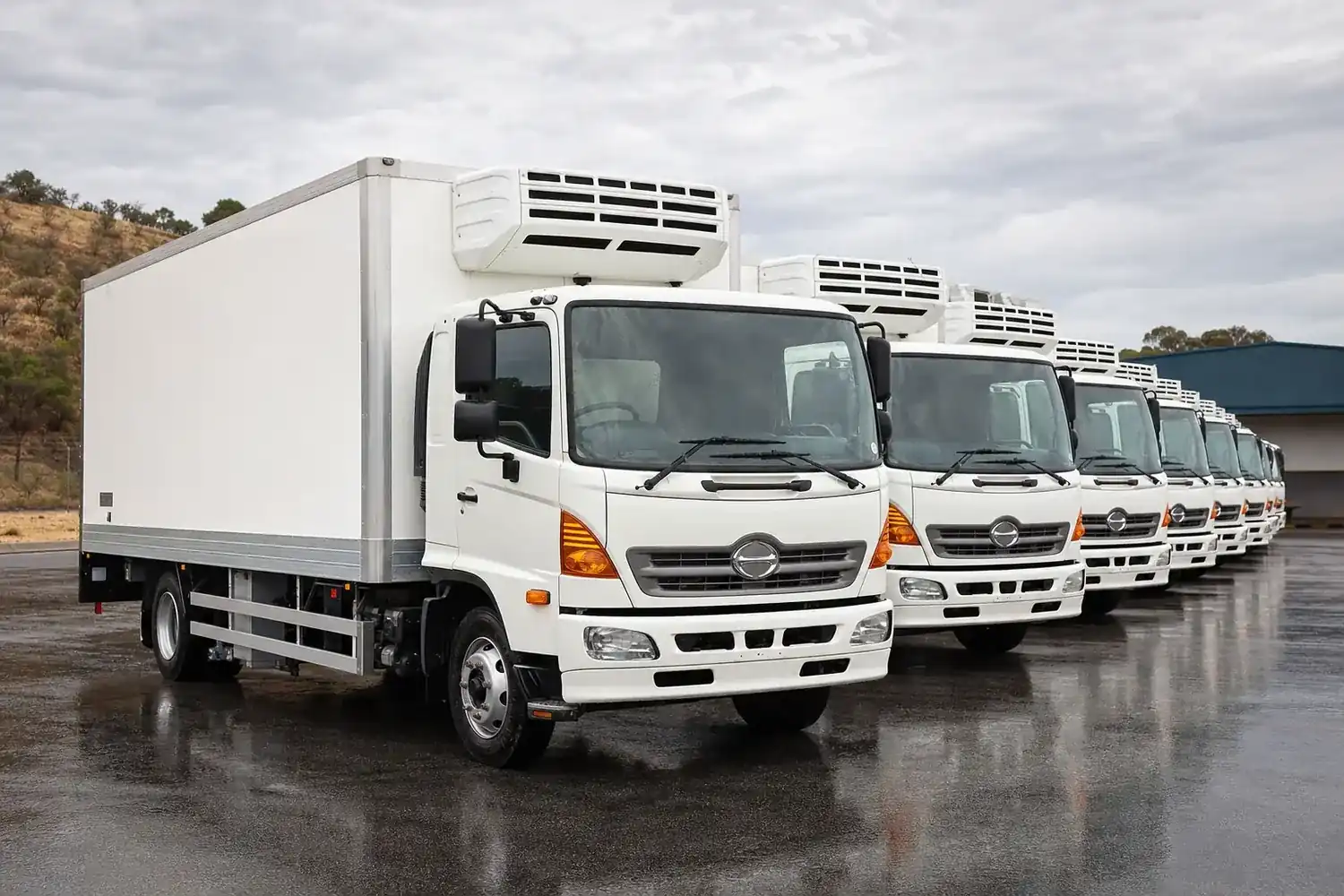
Refrigerated Transport Fleets
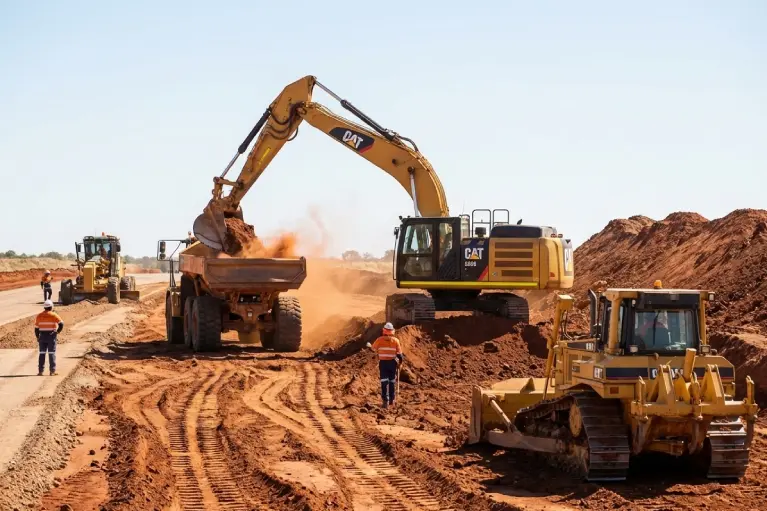
Civil & Earthmoving Fleets
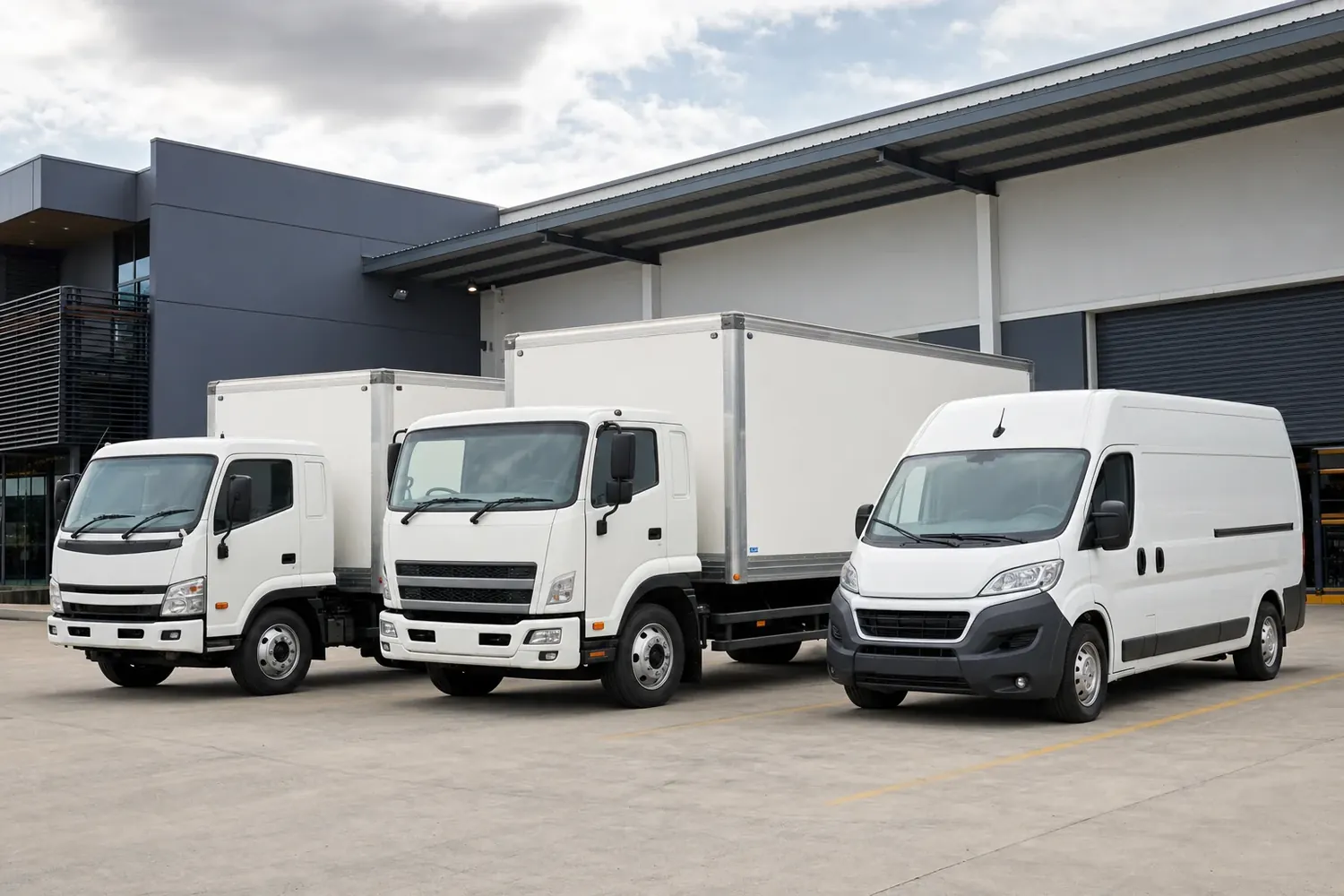
Courier & Logistics Fleets
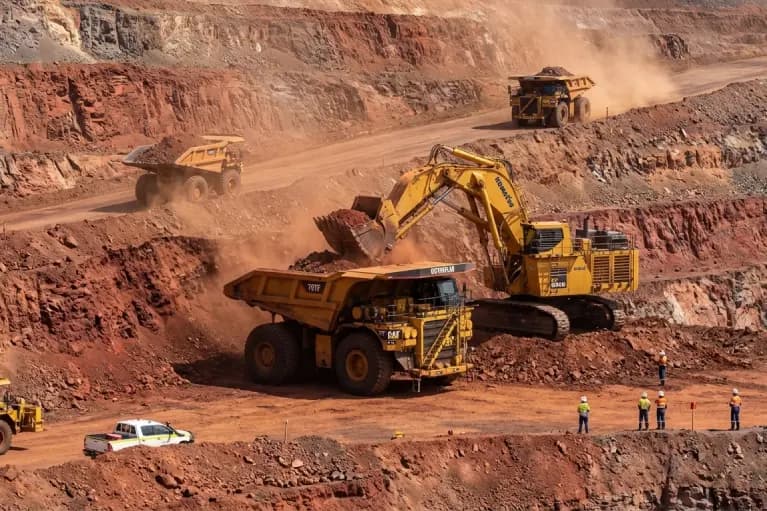
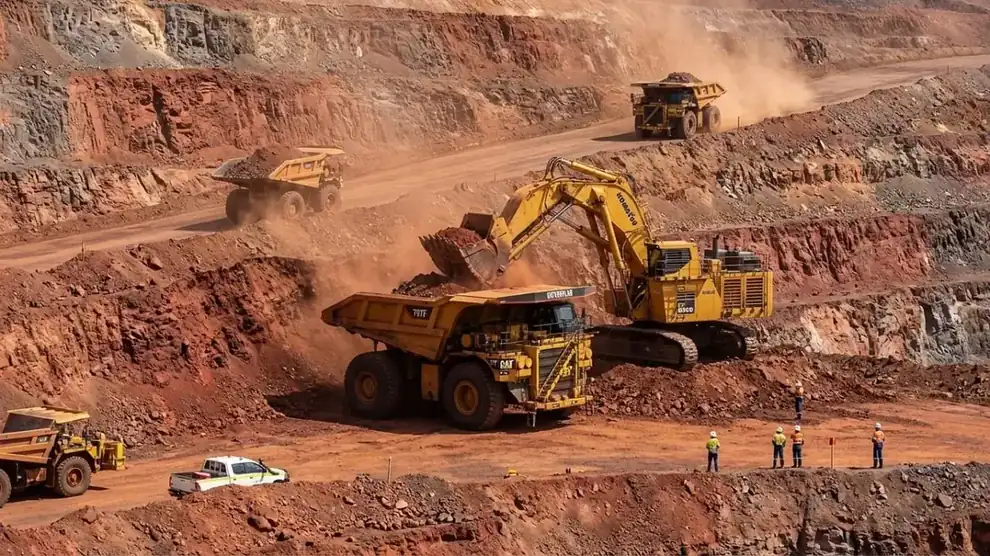
Mining & Resources Vehicles
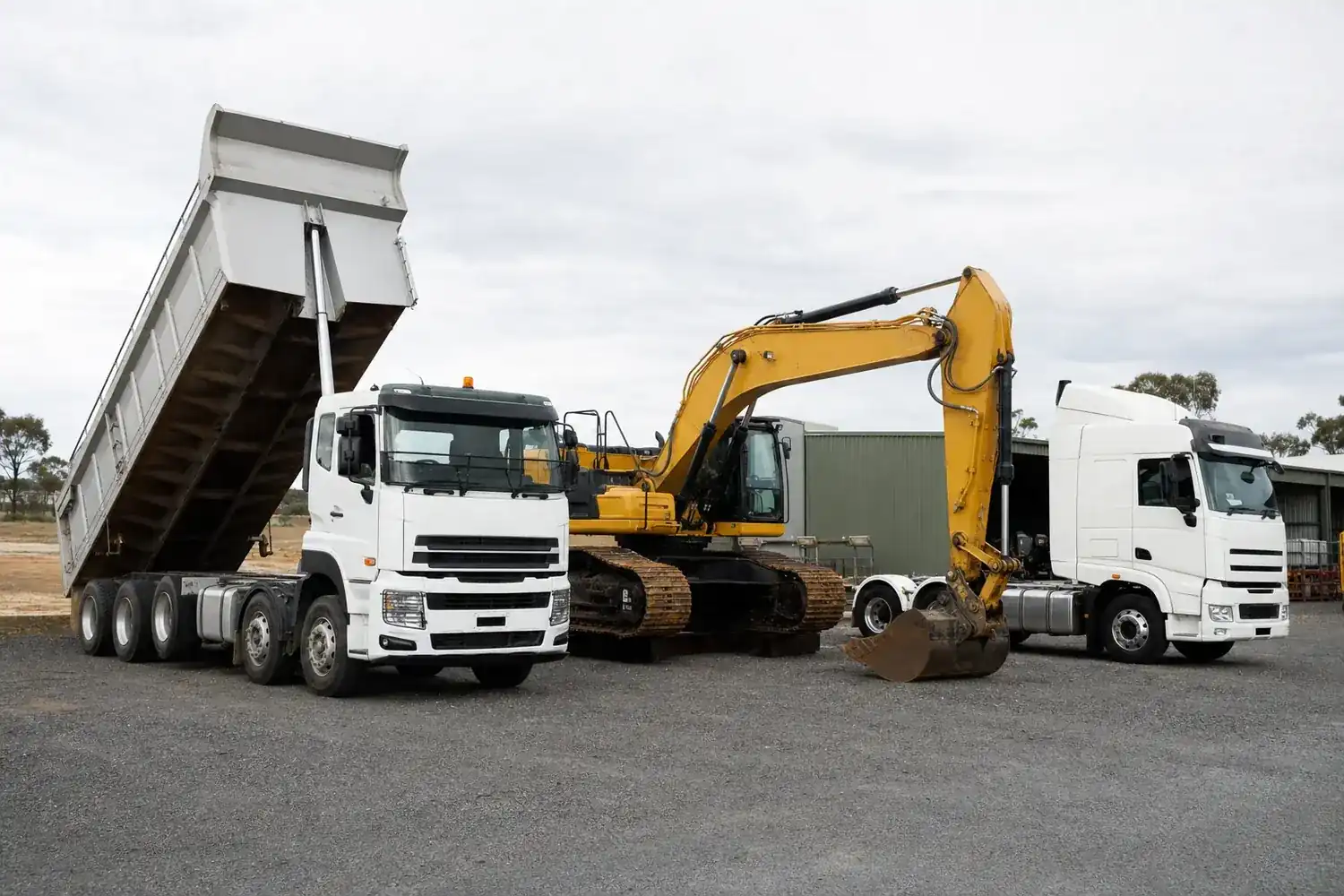
Mixed Commercial Fleets
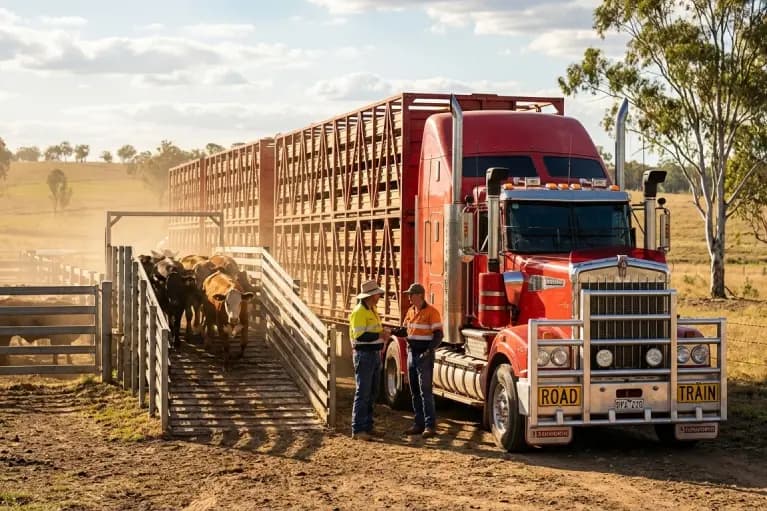
Livestock & Agricultural Transport

Owner Drivers & Growing Fleets
Not Sure Which Cover Is Right for Your Operation?
Discuss your operation, fleet structure and insurance requirements with a broker who understands transport and heavy vehicle operations.
Speak With a SpecialistThe Foundation Is the Same, Fleet or Not
Whatever the size, a transport business is generally built on the same set of policies: your motor cover, which at fleet scale becomes a fleet policy, your liability, and marine transit or marine cargo for the goods you are carrying. Workers compensation sits alongside it once you employ people.
What changes with scale is how much of the work goes into the motor side, and how carefully the schedule behind it has to be maintained.
What Motor Fleet Insurance May Include

Comprehensive Motor Cover
Cover for accidental damage, theft and other insured events across the fleet schedule.

Third Party Property Damage
Damage caused to other people's property while your vehicles are working.

Trailer Insurance
Trailers, combinations and specialised transport equipment, owned or hired in.

Equipment & Accessories
Accessories, modifications and fitted equipment. Commonly missed at renewal and commonly argued at claim time.

Downtime & Hire Costs
Options relating to replacement vehicles or downtime after an insured event, where the insurer offers them.

Marine Transit / Cargo
The goods on the deck. What is carried decides what the transit cover has to do.

Public Liability
Third-party injury or property damage arising out of the business, separate to the motor policy.

Mobile Plant & Machinery
For mixed schedules carrying a forklift, a bobcat or plant alongside the trucks.
What Actually Sets Your Fleet Insurance Premium
There is no single lever. Asked what determines the price of a motor fleet policy, Paul starts in the same place every time and works outwards.
01
The Asset Register and the Sum Insured
Everything starts here. What is on the schedule, and what it is insured for. Get this wrong and nothing downstream is reliable.
02
Agreed Value or Market Value
Where it can be determined and supported by a valuation, agreed value is usually the recommendation, because owners want a payout that matches what they expect the truck to be worth. The economy has made that gap wider, not smaller.
03
What the Fleet Carries
General freight, refrigerated, livestock, gravel out of a quarry, scrap metal or dangerous goods. The cargo is part of the rating, not a footnote.
04
Age and Maintenance of the Equipment
How old the gear is, and who looks after it. In-house mechanic, contracted out, or split between the two with OEM work and smash repairs going elsewhere.
05
Where It Is Kept and Where It Runs
Yard security, postcode, number of depots and the operating area. A fleet that only runs WA is a different risk to one running east-west.
06
Your History and Your Credibility
Losses or the absence of them, and your record as a person, a director and a business. This one is earned over years and it is worth real money at renewal.
One thing operators underestimate: it is the powered units that drive the exposure. You can have a large trailer count, but the question an underwriter comes back to is how many prime movers are pulling them, because that is how many are actually on the road.
Common Risks Facing Fleet Operators
Transport fleets face a shifting set of risks, and left unmanaged any one of them can disrupt the wider operation.
We work with operators to find these exposures before they bite, structure cover that reflects how the fleet actually runs, and coordinate claims quickly so a problem does not become a stopped business.
- Stale Asset Registers
- Underinsured Accessories
- Driver Fatigue & Experience
- Repair Delays & Downtime
- Subcontractor Exposure
- Unsigned Contract Obligations
- Agreed Value Gaps
- Changing Freight Tasks
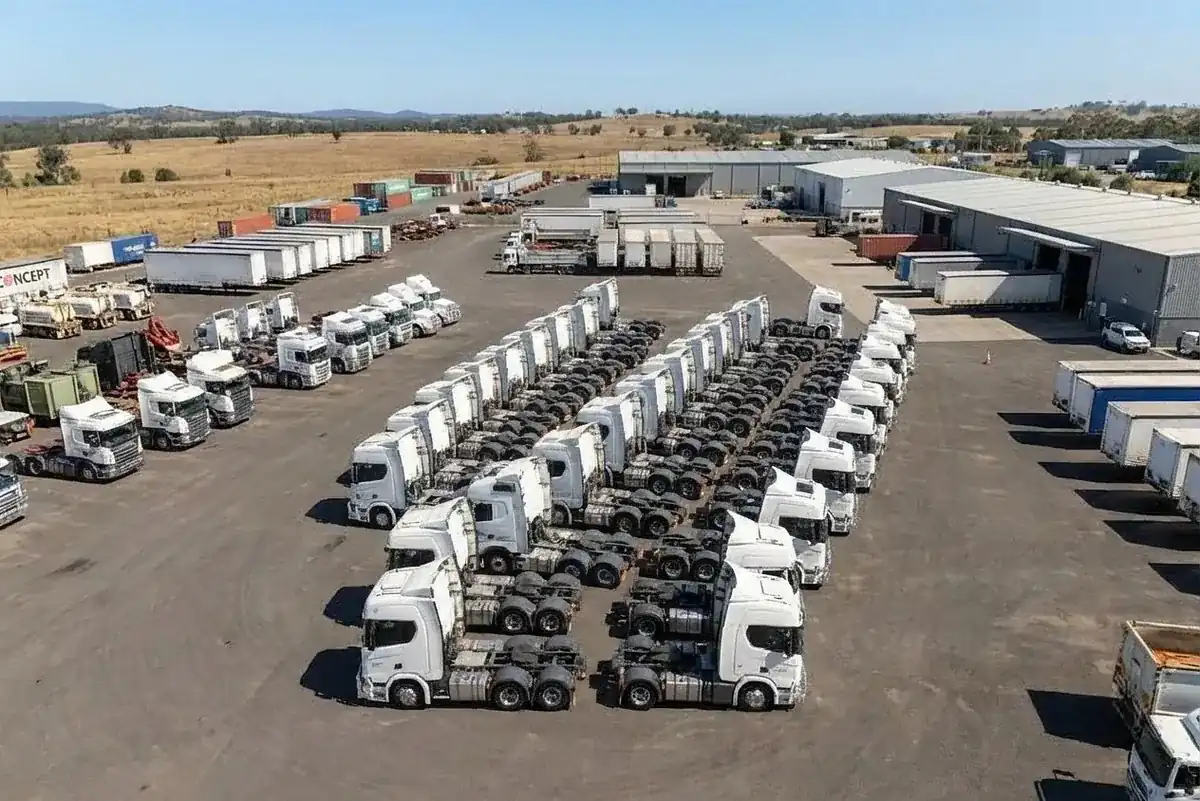
The Asset Register Is the Whole Game
Asked for the single biggest mistake transport operators make, Paul does not hesitate: not keeping the fleet listed properly. It is the simplest control in the business and the one that decides whether a claim is straightforward or a fight.
1
Run One Live Spreadsheet
Asset number, registration, serial number, make, model, year and equipment type. Then the value and the accessories. Serial and asset numbers matter more than people think when something has to be identified after a loss.
2
Date Every Movement
Purchase or onboarding date, hire date for anything hired in, and an offboarding date when it goes. Hired-in gear is still exposure and it still belongs on the register.
3
Review It Yearly at the Absolute Minimum
Annually is the floor. On a bigger or more complex fleet, every six months or quarterly is the better answer. Values move, accessories get fitted, and trucks get bought between renewals.
What It Costs When the Register Is Stale
Some policies carry thirty or sixty days of automatic cover on newly purchased equipment, depending on the wording.
Outside that, if the item was never added, you can be looking at a total loss on a $350,000 prime mover and trailer that is not covered. The dispute then pulls in you, your broker, the insurer and two more people through escalation, all digging through emails to prove when you bought it and what it was worth.
Paul's point is simple: the hours you did not spend on the register get spent anyway, just later and under far worse conditions.
When the Claims Start Stacking Up
Claims experience generally falls into three shapes: one large loss, a frequency of smaller ones, or a clean run. They call for completely different responses, and treating them the same is how operators end up paying for a problem they could have structured around.
The first move is always the numbers. Losses against premiums paid over three years, then over five, because that is the same view the insurer is taking.
Read the Loss Ratio First
A three-year loss ratio of 168 means your losses have run well past what you have paid in. That is the number the conversation starts from, so it is worth knowing it before the insurer raises it.
Trade Excess for Premium
If most claims are landing around eight or twelve thousand, the fleet can be re-quoted with a ten or twenty thousand excess. Twenty-five or fifty thousand appears on some plant-heavy schedules. Taking the small claims out of the insurer's layer brings the premium down.
Rollovers Need a Different Answer
Two or three total losses is not an excess problem. A higher excess barely moves it. That one becomes an investigation: distraction, phones, road conditions, fatigue. Sometimes the cause is never established.
Show the Insurer the Fix
If microsleep is the likely cause and two rollovers have already cost four or five hundred thousand, spending five to ten thousand a truck on fatigue monitoring is an easy argument to make. What matters is documenting it and putting it in front of the underwriter.
Speak With a Specialist About Your Fleet Operation
Whether you operate a small transport fleet or manage multiple heavy vehicles across different worksites and contracts, All Trucks Insurance can help you review your current arrangements and operational risks.
Get a Free QuoteWhy Transport Operators Use Motor Fleet Insurance Brokers

A Broker Who Ran Transport
Paul ran a transport business before he broked for them. Understanding the risk, and being able to have the conversation with the owner and the drivers, is where this starts.

We Bring the Underwriter to You
Toolbox meetings with your drivers, with the local insurer or underwriter in the room talking about real trends. It is available to any client open to the conversation.

Asset Register Support
Most operators do not want to build the register. We help put it together and keep it live, because it is the control everything else depends on.

Claims Advocacy
One point of communication between you, the insurer and everyone else who ends up involved once a claim is escalated.

Subcontractor Agreements
One of the things Paul pushes hardest. Obligations cascade from your T1 and T2 contracts down through you to your subbies, and a handshake does not carry them.

One Truck Through to a Thousand
We write owner drivers, and we write schedules past a thousand items. Watching a client grow from four bits of gear to forty is the part of the job worth doing.
How a Fleet Renewal Should Actually Run
The single most useful thing a well-run operator does is start early. A renewal handled on the fly is where avoidable gaps appear, and the time saved by rushing it gets spent afterwards arguing about a claim.
01
Twelve Weeks Out, We Start
On a fleet of forty or fifty items the questions go out around twelve weeks before expiry. Asset register, values, turnover, driver and prime mover counts, and five years of claims.
02
Eight to Six Weeks Out, We Need You Back
That window is what lets us actually work the market rather than accept the first terms offered. Coming back at the last minute costs you options.
03
What Is Changing Matters as Much as What Is
New contracts, tenders, even handshake agreements. A general freight operator buying two tippers and starting quarry work has changed the business, and the cover has to follow.
04
Then We Keep It Current
Insurer loss reports reviewed, register kept live, and the honest question asked at every renewal: how do we do this better next year?
Related Cover
Transport operators rarely need just one policy. These are the covers most often arranged alongside it.
Speak With a Specialist Fleet Insurance Broker
Whether you are running four bits of gear or forty, the work is the same: understand the operation, get the schedule right, and put it in front of the right underwriter properly.
All Trucks Insurance works with transport operators, logistics businesses and commercial fleet operators across Australia.
Motor Fleet Insurance FAQs
Motor fleet insurance covers multiple vehicles under one policy and one schedule, rather than a separate policy for every vehicle.
In broker language, motor fleet usually refers to light vehicles such as utes, vans and cars, with insurers commonly treating around sixteen units and above as a fleet. At that point the schedule can often be rated on a unit rate instead of a percentage of each vehicle's value.
Heavy transport equipment is generally written as a transport fleet, which is a different conversation again. You will also see it called vehicle fleet insurance or company fleet insurance, which describe the same arrangement.
Truck insurance normally refers to cover arranged for individual trucks, often alongside liability in a transport package, which is where most one-person operations with a prime mover and a trailer sit.
Motor fleet insurance covers a schedule of vehicles under a single policy. As a fleet grows, moving from individual policies to a fleet schedule usually becomes the more workable arrangement, though there is no fixed point where that has to happen.
For light vehicle motor fleets, insurers commonly use around sixteen units as the point where a fleet arrangement is available.
For transport fleets the practical starting point tends to be closer to ten items, but there is no clean number and it depends on the insurer, the mix of equipment and how the business runs.
Smaller operators are often better served by a transport package until the schedule grows.
Heavy motor is the insurance industry's term for cover on heavy commercial vehicles: prime movers, rigids, trailers and the equipment towed behind them, as opposed to light commercial vehicles. A heavy motor schedule with enough units on it is what most operators mean when they ask about transport fleet insurance.
The starting point is the asset register and the total sum insured, and whether cover is on an agreed or market value basis.
From there: what the fleet carries, the age and maintenance of the equipment, where it is garaged and how secure the yard is, the operating area and radius, and your claims history.
The credibility of the director and the business over time also carries real weight. How many powered units you run matters more than the total item count, because that is what is actually on the road.
It depends entirely on the shape of the claims.
If the pattern is lots of small losses, around eight or twelve thousand each, the fleet can often be re-quoted with a higher excess of ten or twenty thousand.
That takes those claims out of the insurer's layer and brings the premium down. If the pattern is two or three total losses or rollovers, a higher excess will not fix it.
That needs investigation into the cause, controls put in place, and evidence of the fix presented to the underwriter. Cheapest is rarely a product question and usually a risk question.
Where an agreed value can be determined and supported by a valuation, it is generally the recommendation, because most owners want a settlement that reflects what they believe the truck is worth rather than what a market assessment concludes after the fact.
It does require the valuation work to be done properly, and recent movement in the economy has made the gap between the two wider than it used to be.
Some fleet policies carry automatic cover for newly acquired equipment for thirty or sixty days, but it depends on the wording and it is not universal.
Outside that window an unlisted item may not be covered at all. A total loss on an unlisted prime mover and trailer can run to hundreds of thousands of dollars, and the argument that follows means proving the purchase date and the value from your own records. Telling your broker at the time of purchase is the whole fix.
In most cases yes. Transport fleets commonly carry a few light vehicles, a forklift or a piece of plant alongside the trucks and trailers, and that mix is normal. The ratio generally needs to stay predominantly transport for it to be written as a transport fleet rather than a commercial motor fleet.
Yes, and it is one of the areas most often left loose. Obligations tend to cascade: your T1 or T2 client contracts impose terms on you, and yours should impose equivalent terms on your subcontractors. Written subcontractor agreements are strongly preferred over handshake arrangements, which remain common in transport and leave the obligation sitting with whoever cannot prove otherwise.
Typically: what you transport and what work you do, your equipment count and powered unit count with types and values, estimated turnover now and over the past five years, employee numbers now and over the same period, contracts and tenders in place or coming, depots and who holds chain of responsibility, your safety systems, driver onboarding and offboarding, where maintenance is done, and your claims history.
Your largest single revenue project and your subcontractor arrangements matter too.
On a fleet of forty to fifty items, around twelve weeks before expiry, with your information back to the broker between eight and six weeks out. That is what creates enough runway to properly approach the market rather than accept the first terms available.
What Goes On a Fleet Schedule
Most fleets are not one kind of thing. Prime movers and trailers sit alongside a forklift, a ute and whatever the work needed that year. Each item below has its own page covering how it is rated and where the cover usually falls short.
Trucks and Trailers


Plant and Equipment


If something you run is not on this list, it can still go on the schedule. Tell us what it is and we will rate it with the rest of the fleet.
Truck Insurance by Location
Fleets are written Australia-wide and rated on where the trucks are garaged and how far they run. Each page below sets out what that means in the place it names.
Compliance Disclaimer: This information is general in nature and does not take into account your objectives, financial situation or needs. Please consider the relevant Product Disclosure Statement (PDS) before making any decision.