
Truck Insurance Claims Support
Had an accident or a load go wrong? Make sure everyone is safe first. Then call us as early as you can.
We notify the insurer, help with the paperwork and follow up the parts that stall. The insurer decides the claim under your policy, and we deal with them for you.
Office hours: Mon - Fri: 8:30am - 5pm AWST
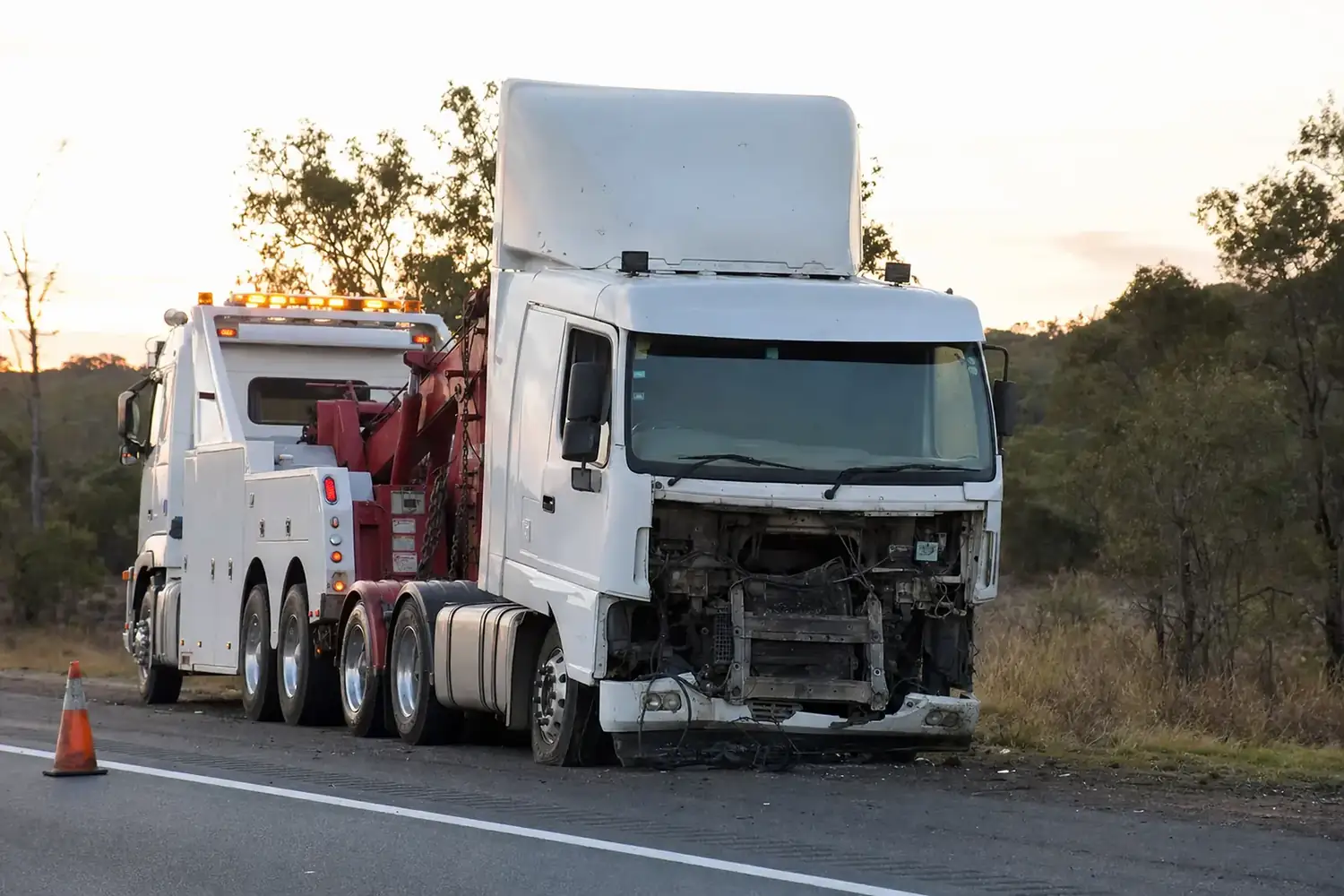
What to Do Right After an Incident
Do these in order, starting with the people involved.
Check Everyone Is Safe
Check yourself, your passengers and anyone else involved. Call 000 if anyone is hurt.
Then make the scene safe. Pull over where you can, put your hazard lights on and keep clear of moving traffic.
Do Not Admit Fault
Stick to the facts when you swap details, and do not admit fault, even to be polite.
The insurers work out who is liable from the evidence. An apology at the roadside can be used against you later.
Photograph the Scene and Collect Details
Take more photos than you think you need. Before you leave, get:
- Photos of every vehicle, the damage, the road, skid marks, signs and the wider scene.
- Names, phone numbers, licence and registration details of everyone involved.
- The other drivers' insurer and policy details, if you can get them.
- Names and numbers of any witnesses, with a quick note on what they saw.
- The exact location, time, weather and road conditions.
Report It to Police When You Have To
A crash generally has to be reported to police if someone is hurt or killed, or a vehicle has to be towed.
If police did not attend a tow away crash, most states let you report it afterwards, for example on the Police Assistance Line, 131 444. You get a report number for the claim. Rules vary by state, so if in doubt, report it.
Call Us, Even From the Roadside
Report it to us, or to your insurer, as soon as you reasonably can. The sooner the insurer knows, the sooner they can send an assessor, the person who looks at the damage, and the sooner the repairer and any replacement vehicle are organised.
Send the photos straight through. We set up a chat thread with you so every photo and document sits in one place.
How We Help Once You Call
Our first question is whether everyone is okay. After that, we take as much of the claim off your plate as we can.
We Deal With the Insurer
We notify the insurer of the claim for you and help get the notification right from the start.
We Line Up the Assessor and Repairer
An assessor is the person the insurer sends to look at the damage. We get the assessor and the repairer organised with the insurer, so you can get back to running the business.
We Help With the Paperwork
We help you pull the documents together, then chase the parts of the assessment that stall.
We Keep You Updated
Once a claim is escalated, more people get involved. We keep all the calls and emails between you, the insurer and everyone else in one place, and tell you where the claim is up to.
We Look at How the Repair Is Done
Claims can affect your premium at renewal. So we talk to the insurer about the repair. For example, a sound second-hand part may do the same job as a brand-new one.
The insurer decides the claim under the terms of your policy. Our job is to deal with the insurer for you and follow it up while it is assessed.
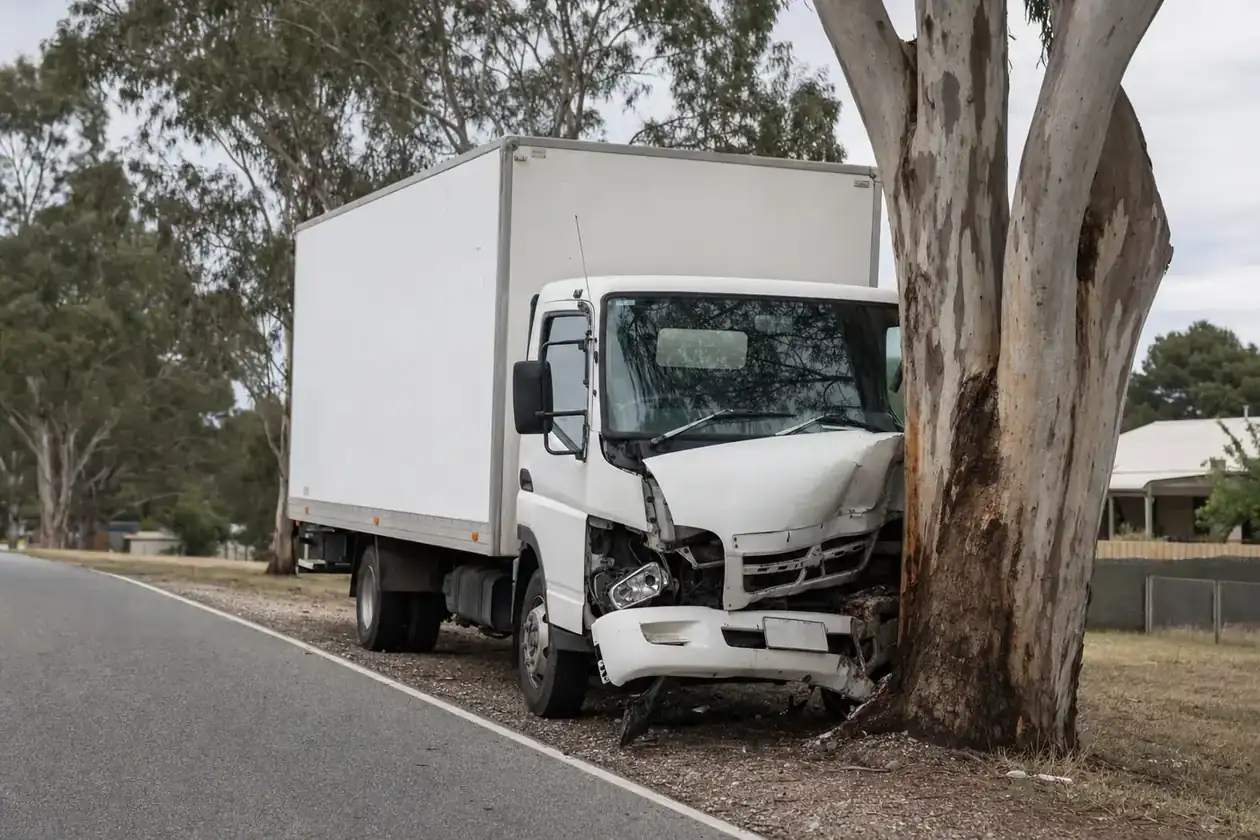
A Real Claim: A Rigid Truck and a Gum Tree
A young driver on a local delivery clipped a gum tree at low speed and tore up the whole front of a rigid truck. Nobody was hurt.
The client had already had a couple of claims and could not afford his premium climbing again. Left alone, the insurer usually goes for a brand-new repair, which costs the most and hits hardest at renewal.
We went back to the insurer's repair manager and worked out a sound second-hand replacement that does the same job. The claim cost stayed down and the truck got back on the road earning.
- Brand-new repair
- About $35k
- Sound second-hand fix
- About $10k
Based on a real claim. Client details left out and figures approximate. Every claim is decided by the insurer on its own facts.
How a Claim Affects Your Renewal and Premium
Every claim sits on your record for three to five years. It feeds your loss ratio, which is your claims measured against the premiums you have paid. Insurers rate your premium on it.
They look at three years, then five. On a fleet policy, all your claims are read together as one loss ratio.
That is why how a claim is handled matters past the repair. Keeping the claim cost fair helps protect what you pay next year.
Your excess is the amount you pay towards each claim. Say most of your claims are around eight or twelve thousand dollars each.
A fleet can be re-quoted with a ten or twenty thousand dollar excess. The insurer then stops paying for those small claims, which can bring the premium down.
Once the claim is settled, check that:
- The repair or replacement is on an agreed value, a figure you and the insurer set, or a fair market value.
- Your insured values include any accessories added during the repair.
- You have kept records of towing, recovery and any replacement vehicle costs.
- You have asked whether downtime or business interruption cover, which helps with lost income, suits your operation.
Chain of Responsibility After a Crash
Under the Heavy Vehicle National Law, Chain of Responsibility means everyone who controls part of the transport task shares a duty to keep it safe. The national law has not started in WA or the NT, but it applies to WA and NT trucks once they cross into a state where it runs, according to the National Heavy Vehicle Regulator (NHVR).
That can reach past the driver to the operator, the loader and the business owner. After an incident, regulators can look at fatigue, load restraint, maintenance and the systems behind them.
Operators who keep clean maintenance, fatigue and load records usually get through those questions far more easily.
Truck Insurance Claims FAQs
Check for injuries and call 000 if anyone is hurt. Make the scene safe with your hazard lights on and pull clear of traffic.
Once everyone is safe, photograph the scene, swap details and report it to your broker or insurer as soon as you can.
Crashes with an injury, a death or a vehicle that has to be towed generally need to be reported. If anyone is hurt, call 000.
If police did not come to a tow away crash, you can usually report it afterwards. One example is the Police Assistance Line, 131 444. Rules vary by state, so if in doubt, report it.
No. Stick to the facts when you swap details and do not admit fault, even to be polite. The insurers work out liability from the evidence, and an early admission can work against you.
The insurer decides the claim under the terms of your policy. As your broker, we deal with the insurer for you, help with the documents and follow up the parts of the assessment that stall.
It depends on what was damaged. In one bridge strike we handled, the truck and trailer came under the motor cover, and the machine on the back came under the transit cover, which covers the load. Damage to other people's property came under the liability cover.
That is why your truck, cargo and liability policies have to work together.
It can. Claims feed your loss ratio over the last three to five years, and insurers rate your premium on it. How the claim is managed matters, so keeping the claim cost fair helps protect your future premium.
Downtime costs you income on top of the repair bill. Depending on your policy, a replacement vehicle or business interruption cover can help keep money coming in while the claim is managed.
A total loss is when the insurer writes the vehicle off instead of repairing it. If the offer looks low, get proper valuations.
On one total loss, the insurer first offered just under 48 per cent of the insured value. We got proper valuations, took them back to the insurer, and it was paid at the insured value written on the policy.
Know your values and check them a few months before renewal, not after a claim.
Under the Heavy Vehicle National Law, everyone who controls part of the transport task shares a duty to keep it safe. That includes the operator and the loader as well as the driver. After a crash, regulators can look at fatigue, load restraint and maintenance, so good records protect the whole business.
Something Gone Wrong? Call Us
Make sure everyone is safe, take the photos, then ring us. Not insured with us yet? Call or send a few details, and we can go through how your cover is set up now.
Compliance Disclaimer: This information is general in nature and does not take into account your objectives, financial situation or needs. Please consider the relevant Product Disclosure Statement (PDS) before making any decision.