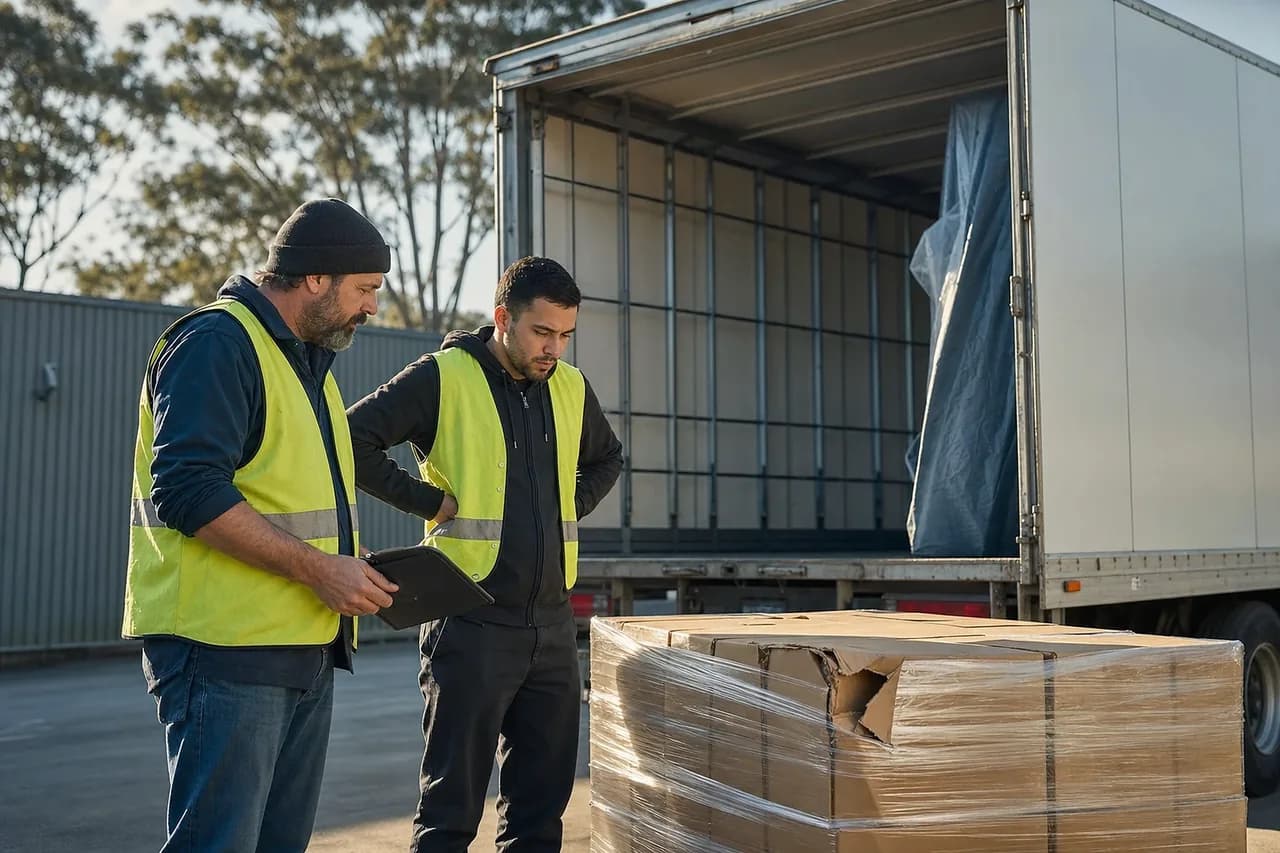
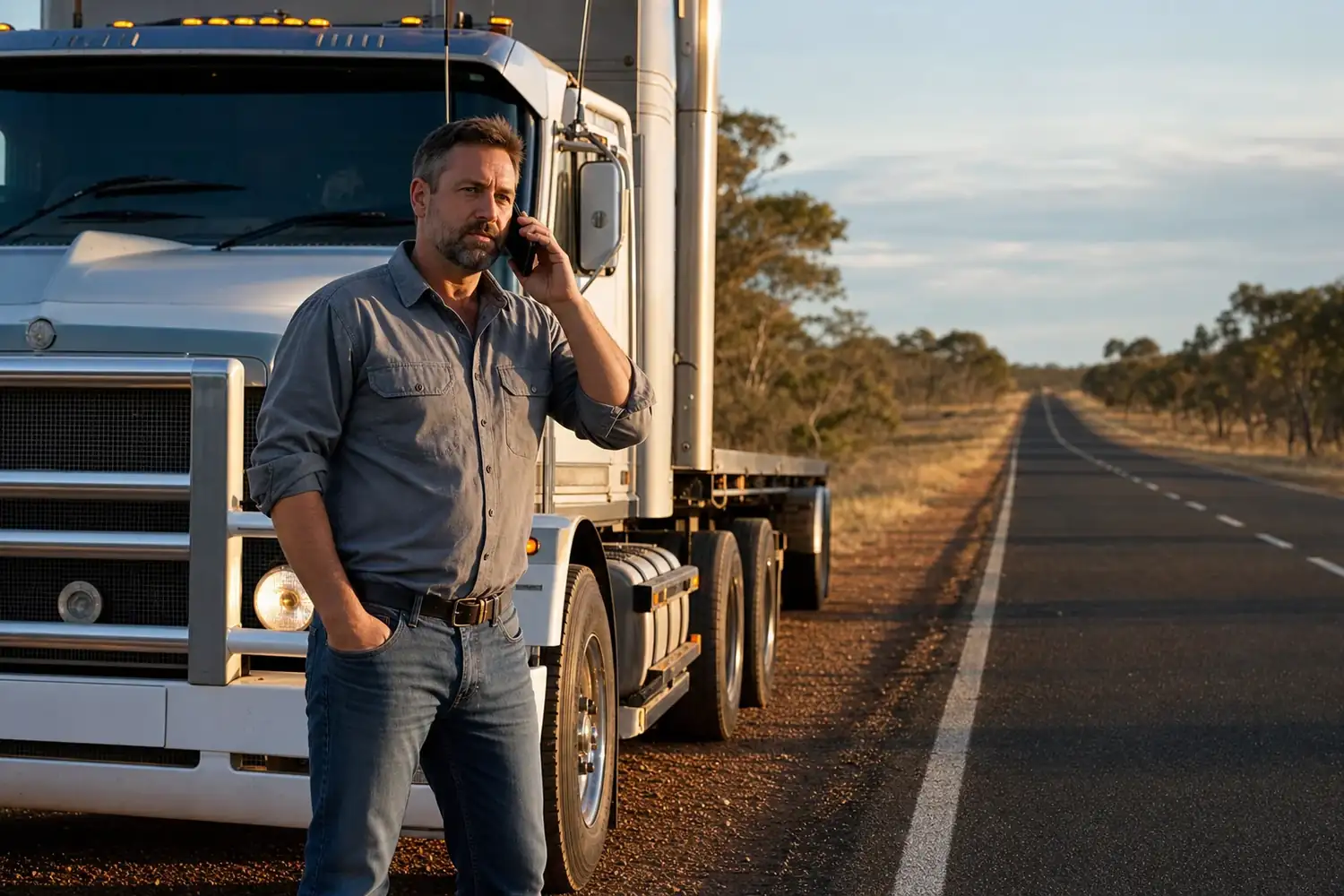
I am often the first call an operator makes after a truck accident, sometimes from the side of the road with the engine still ticking.
What you do in that first hour shapes how smoothly the whole claim runs, and whether you are back earning quickly or stuck waiting.
This is the calm, practical process I walk my clients through, from the roadside to the day the truck is back on the road.
Key takeaways
- People before paperwork. Check for injuries and make the scene safe before anything else.
- Document everything at the scene. Photos and details are what move a claim quickly.
- Do not admit fault. Stick to the facts and let the insurers sort out liability.
- Call your broker early, even from the roadside. The first hour is when a claim is won or lost.
- Your obligations do not end at the cab. Chain of Responsibility can reach the whole operation.
The First Hour: People Before Paperwork
Your first job is people, not the truck. Check yourself, your passengers and anyone else involved, and call 000 if anyone is hurt.
Once everyone is safe, make the scene safe. Pull over where you can, switch on your hazard lights and keep clear of moving traffic.
Only then does the paperwork start. A clear head in the first few minutes prevents most of the problems that show up later.
Whatever you do, do not admit fault at the scene, even to be polite. Liability is for the insurers to work out from the evidence, and an off the cuff apology can be used against you later.
What to Gather Before You Leave the Scene
The detail you capture at the scene does most of the work when you lodge. Phones make this easy, so take more than you think you need.
I get clients to send it all straight through to me, and we set up a quick chat thread so nothing gets lost.
- Photos of every vehicle, the damage, the road, skid marks, signage and the wider scene.
- Names, phone numbers, licence and registration details of everyone involved.
- Insurer and policy details of the other drivers if you can get them.
- Names and numbers of any witnesses, and a quick note on what they saw.
- The exact location, time, weather and road conditions.
When a client rings me after a crash, my first question is always whether everyone is okay. Then I get them to send the photos through and we open a chat thread on the spot, so every detail and document sits in one place from minute one.
When You Must Report a Truck Crash to Police
Some crashes have to be reported to police, not just to your insurer. Anything involving injury, a death, or a vehicle that has to be towed generally needs to be reported.
If anyone is hurt, call 000 straight away. For a tow away crash where police did not attend, most states let you report afterwards, for example through the Police Assistance Line on 131 444, which gives you a report number for your claim.
Requirements vary by state, so when in doubt, report it. A report number never hurts a claim, and a missing one can hold it up.
Keep that police report or event number with your scene photos. It is one of the first things an insurer asks for, and having it ready is part of why some claims settle in days rather than weeks.
Call Your Broker Early: The First Call Matters
Report the accident to your broker or insurer as soon as you reasonably can, even if it is late on a Friday. Early notification is what gets assessors, repairers and replacement options moving.
A good broker takes the process off your plate. I have taken these calls at five on a Friday afternoon and had the wheels turning before the weekend.
We deal with the insurer, line up the assessor and the repairer, and keep you updated, so you can get back to running the business.
It is not just your own claim we manage. After one bridge job I helped the third parties sort their side too, kept everyone calm, and we ended up picking up one of them as a client. How you handle the bad day says everything about the business.
How a Real Truck Claim Plays Out
Here is what good looks like. I had a truck hit a bridge with a machine on the back, and that one incident touched the motor cover, the cargo transit and the liability all at once.
We notified the insurer straight away, sent the photos, negotiated the damaged machine and even bought the salvage back at a fraction of its value. The operator stayed on the road while we ran the claim.
The opposite happens too. A young driver clipped a tree and tore the front off a rigid, so rather than an expensive brand new repair we sourced a fair secondhand replacement and managed the claim cost down to protect the next renewal.
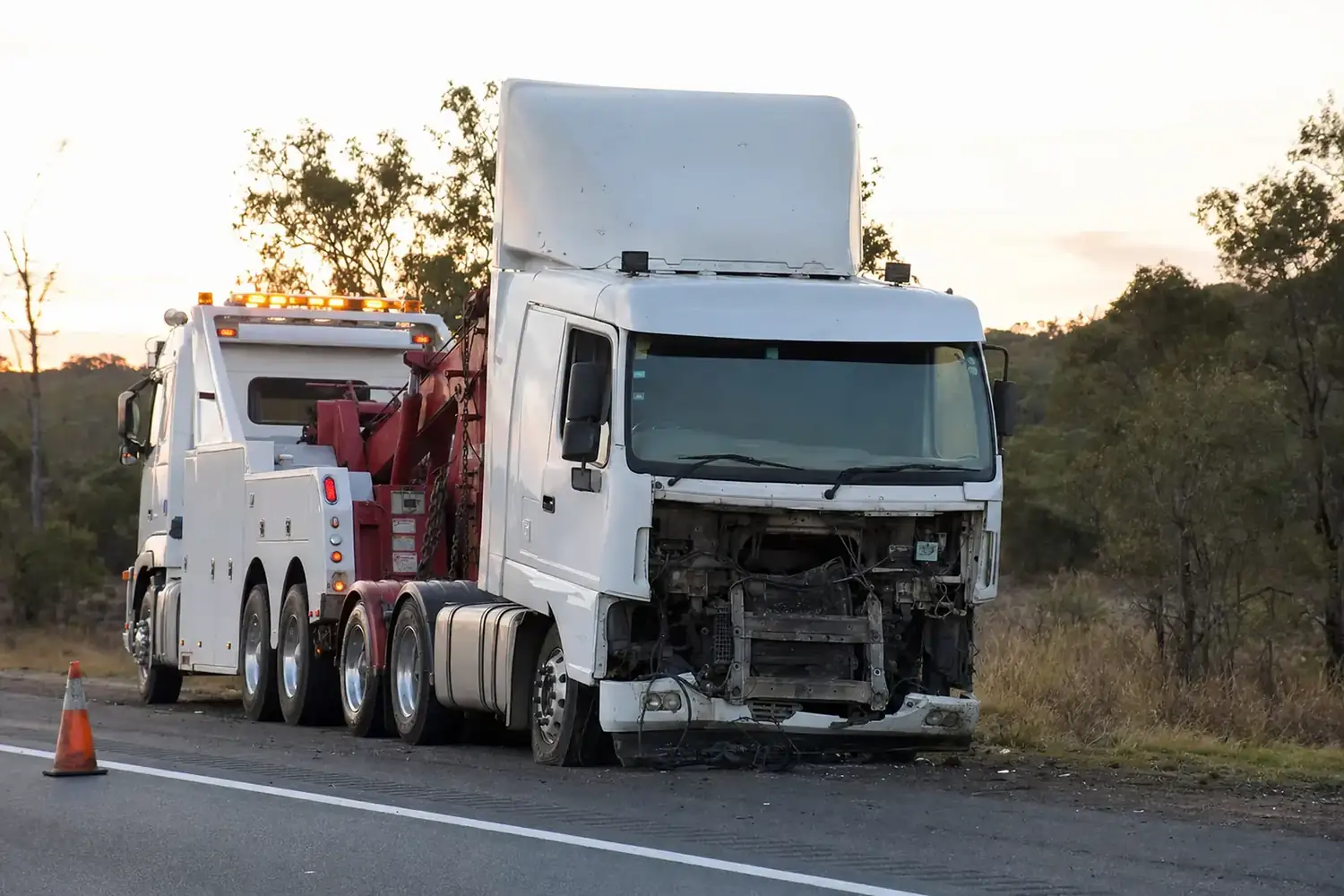
Every claim sits on your record for three to five years and feeds your loss ratio, which is what your future premium is rated on. Managing a claim well is not just about this repair, it protects what you pay next year too.
Protecting Your Truck and Your Premium After a Claim
Once the immediate claim is handled, the focus shifts to keeping your cover and your premium fair. Be transparent with your broker about what happened and what has changed.
Make sure any repairs, replacements or added accessories are reflected on your schedule, so you are not underinsured next time.
If the truck was off the road, this is also the moment to review whether downtime or business interruption cover would have helped.
- Confirm the repair or replacement is on an agreed or fair market value basis.
- Update your insured values and any accessories added during the repair.
- Keep records of towing, recovery and any replacement vehicle costs.
- Review whether downtime or business interruption cover fits your operation.
Chain of Responsibility: Your Duty Does Not End at the Cab
A truck crash is not only an insurance event. Under the Heavy Vehicle National Law, Chain of Responsibility means everyone who controls part of the transport task shares a duty to keep it safe.
That can reach beyond the driver to the operator, the loader and the business owner. After an incident, regulators can look at fatigue, load restraint, maintenance and the systems behind them.
The law keeps tightening, with further Heavy Vehicle National Law changes due from August 2026, so good records and documented processes matter more than ever.
This is where being transparent and accountable pays off. The operators who keep clean maintenance, fatigue and load records sail through the questions after a crash. The ones who cut corners do not.
Frequently Asked Questions
Check for injuries and call 000 if anyone is hurt, then make the scene safe with hazard lights and by pulling clear of traffic. Once everyone is safe, photograph the scene, exchange details, and report it to your broker or insurer as soon as you can.
Crashes involving injury, death or a vehicle that must be towed generally need to be reported. If anyone is hurt, call 000. For a tow away crash with no police on scene, you can usually report afterwards, for example via the Police Assistance Line on 131 444, which gives you a report number for your claim. Requirements vary by state, so when in doubt, report it.
No. Stick to the facts when exchanging details and do not admit fault, even to be polite. Liability is determined by the insurers from the evidence, and an early admission can work against you.
As soon as you reasonably can, even if it is after hours. Early notification lets the assessor, repairer and any replacement vehicle be organised sooner, which is the difference between being back on the road in days rather than weeks.
It can, because claims feed your loss ratio over the last three to five years, which insurers use to rate your premium. How a claim is managed matters, so working with a broker to keep the claim cost fair helps protect your future premium.
Chain of Responsibility under the Heavy Vehicle National Law means everyone who controls part of the transport task, not just the driver, shares a duty to keep it safe. After a crash, regulators can examine fatigue, load restraint and maintenance, so keeping good records protects the whole business.

Written by
Paul Cohalan
Founding Principal Broker, All Trucks Insurance
Paul is the founding principal broker at All Trucks Insurance, with more than 10 years broking transport, fleet and plant cover and an operational career in mining and heavy haulage before that.
Read Paul's full profile