When an operator asks me whether they need comprehensive or third party cover on a truck, what they are really asking is what they can afford to lose.
Comprehensive protects your own truck as well as the people and property you might hit. Third party only protects the other party, not your asset.
On a working truck that gap is enormous, so this guide walks through what each level actually covers and how I help operators land on the right one.
Key takeaways
- Comprehensive cover protects your own truck plus damage you cause to others. It is what most working operators run.
- Third party property only pays for damage to someone else's property, never your own truck.
- Third party fire and theft sits in between, adding cover only for fire and theft of your vehicle.
- On a truck that is earning, third party only is rare. I mostly see it on high value gear that is parked up for long stretches.
- Finance, agreed value and downtime all push the decision toward comprehensive.
What Comprehensive Truck Insurance Covers
Comprehensive is full cover going down the road. It protects the value of your own asset, the truck or trailer, as well as damage you cause to someone else.
If you roll it, hit a bridge, catch fire or have it stolen, comprehensive responds for your own vehicle. That is the part third party will never do.
It is also the base most operators build on, because cargo, downtime and other extras usually bolt onto a comprehensive policy rather than a bare third party one.
When I say comprehensive, I mean cover for the asset that is actually earning. For a truck that is on the road every week, that is almost always the starting point, not the upsell.
What Third Party Cover Does and Does Not Cover
Third party cover is built around the other party. It pays for damage your truck causes to someone else's vehicle or property, and nothing toward your own truck.
There are two common third party levels in the Australian market. Third party property damage is the most basic, and third party fire and theft adds limited cover for your own vehicle if it is stolen or burns.
Neither of them repairs your truck after an at fault collision. That is the line that catches operators out.
| What Is Covered | Third Party Property | Third Party Fire & Theft | Comprehensive |
|---|---|---|---|
| Damage you cause to others' property | Yes | Yes | Yes |
| Your own truck after an at fault crash | No | No | Yes |
| Your truck stolen or destroyed by fire | No | Yes | Yes |
| Storm, accidental and malicious damage | No | No | Yes |
| Base for adding cargo, downtime, windscreen | Limited | Limited | Yes |
None of these are compulsory third party, or CTP. CTP comes with your registration and only covers injury to people, not damage to any vehicle or property, so it is never a substitute for the cover above.
Why Third Party Only Is Rare on a Working Truck
Honestly, third party only is something I do not write much anymore. The places it still makes sense are narrow.
It tends to be larger clients with a specific piece of equipment that is parked up for a long time, where the asset is not moving and the only real risk left is hitting something.
The moment a truck is earning, the maths changes. If it is on the road, the cost of losing your own asset is usually far bigger than the premium saving from dropping comprehensive.
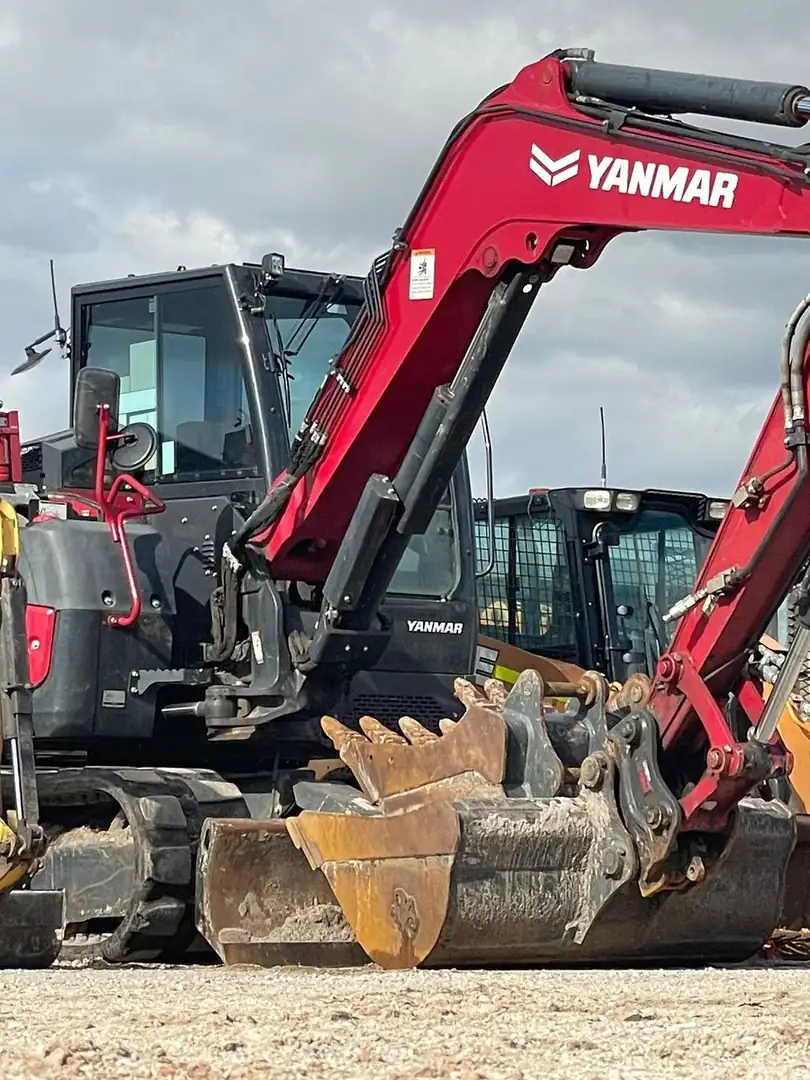
The trap I see is stripping a truck back to save a little, then putting it back to work without telling anyone. I have watched an operator take a specialised unit off comprehensive as parked up, get a call two weeks later, load it, and crash it on the way down the road. The saving was maybe a thousand or two. The loss was the whole machine.
A Real Claim Where Every Cover Mattered
Not long ago I had a truck hit a bridge. It damaged the prime mover, and it damaged the digger riding on the back, which was worth about $165,000.
That one incident touched almost every cover at once. The digger came under the marine transit, the truck and trailer under the motor cover, and the injury and damage to others under the public and products liability.
There was even a third party Land Cruiser caught by falling debris, and if the director had been exposed, management liability could have come into it too.
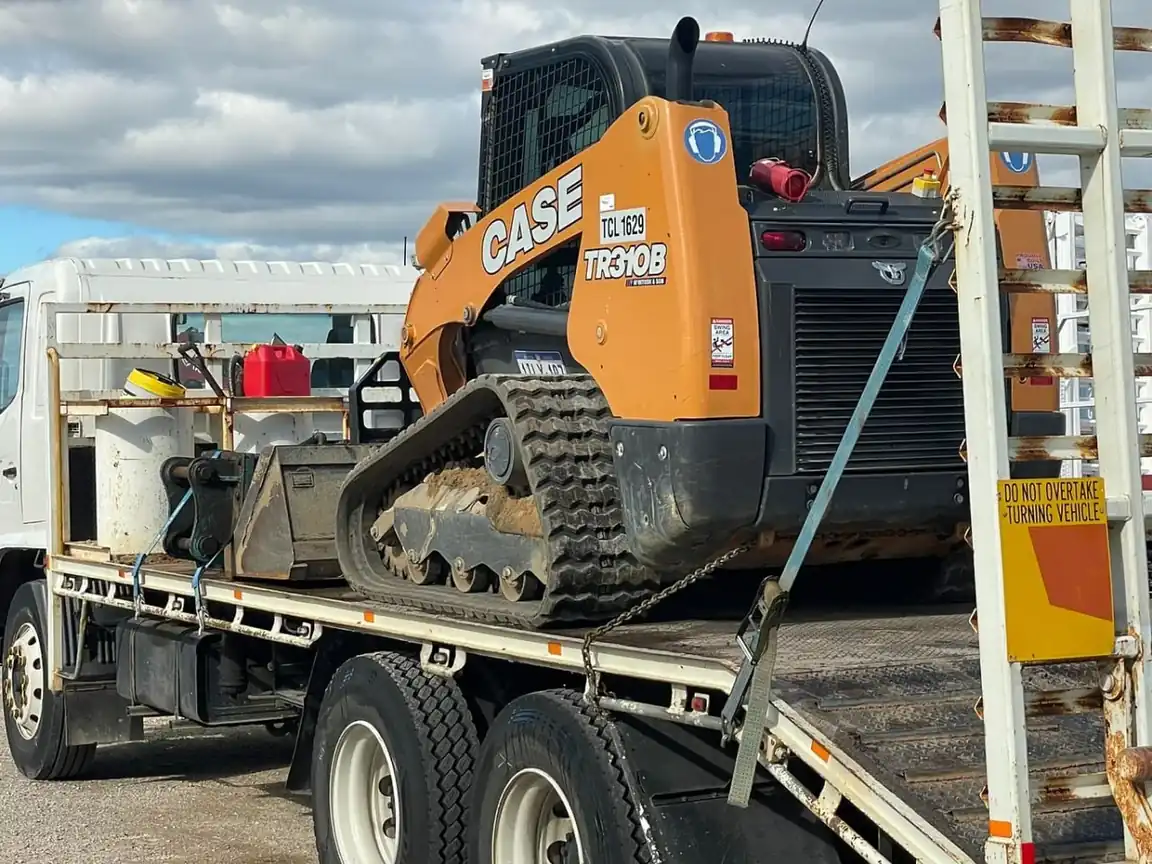
If that operator had been sitting on third party only to save money, the truck, the trailer and the machine on the back would all have been their problem to fund. Comprehensive plus the right supporting covers is what kept the loss off their balance sheet.
Agreed Value vs Market Value Decides Your Payout
Once you are on comprehensive, the next decision is how your truck is valued at claim time. You either insure it for an agreed value you and the insurer lock in, or for market value, which is what the insurer reckons it was worth on the day.
Agreed value costs a little more in premium but removes the argument later. Market value is cheaper, but you do not know the exact figure until you claim, and it moves with age and kilometres.
For specialised or hard to replace gear, I push for an agreed value from the manufacturer, because you simply cannot buy it back off a generic market guide.
I once had a drilling client whose insurer offered just under 48 percent of the insured value on a total loss. We got proper valuations, took it back to them, and ended up paid bang on what was written on the schedule. Know your values, and check them a few months before renewal, not after a claim.
When Finance Makes the Decision for You
If your truck is under finance, the choice is often made for you. More than half of the truck policies we arrange note a financier on the certificate.
Lenders want the asset they are funding protected, so they generally require comprehensive cover and a certificate of currency noting them before they will release the vehicle.
Third party only rarely satisfies a financier, because it does nothing to protect the asset securing the loan.
We can bind cover and issue a certificate noting the financier quickly, often within the hour, so finance settlement is not held up. If you are buying on a chattel mortgage or hire purchase, assume comprehensive is part of the deal.
How to Choose the Right Level for Your Truck
The right answer is the one that matches what a loss would actually do to your business, not the cheapest line on a quote. My job is to land you on the right cover, not overs and not unders.
Run through a few honest questions and the level usually picks itself.
- What is the truck worth, and could you replace it out of your own pocket if it was written off tomorrow?
- Is it earning, or genuinely parked up for months at a time?
- Is there finance on it that requires the asset to be protected?
- How long could you survive without the income that truck brings in?
- Is it specialised or hard to replace, so an agreed value matters?
If the truck is on the road and earning, comprehensive is almost always the call. Third party only is the exception, for parked up or low value gear, and even then I want to talk it through before you carry that risk.
Frequently Asked Questions
Comprehensive covers your own truck for accidental damage, fire and theft, as well as damage you cause to others. Third party only covers damage to someone else's property and pays nothing toward your own truck. On a working truck, that difference can be the entire value of the asset.
For a truck that is on the road and earning, it usually is, because the cost of replacing your own asset after a write off is far greater than the premium saving from third party only. For older, low value or parked up gear the answer can change, so it is worth talking through with a broker.
Generally no. Most financiers require comprehensive cover and a certificate of currency noting them before they release the vehicle, because third party only does nothing to protect the asset securing the loan.
It is a middle level of cover. It pays for damage your truck causes to others and adds limited cover for your own vehicle only if it is stolen or destroyed by fire. It does not cover accidental damage to your own truck in a collision.
Agreed value locks in a figure you and the insurer set, which removes any argument at claim time but costs a little more. Market value is cheaper but is decided by the insurer on the day and moves with age and kilometres. For specialised or hard to replace trucks, agreed value is usually the safer choice.
Not by default. Cargo, or goods in transit and marine transit, is a separate cover for the freight you carry. It is commonly added alongside a comprehensive policy so there is no gap between your truck and your load.

Written by
Paul Cohalan
Founding Principal Broker, All Trucks Insurance
Paul is the founding principal broker at All Trucks Insurance, with more than 10 years broking transport, fleet and plant cover and an operational career in mining and heavy haulage before that.
Read Paul's full profile